




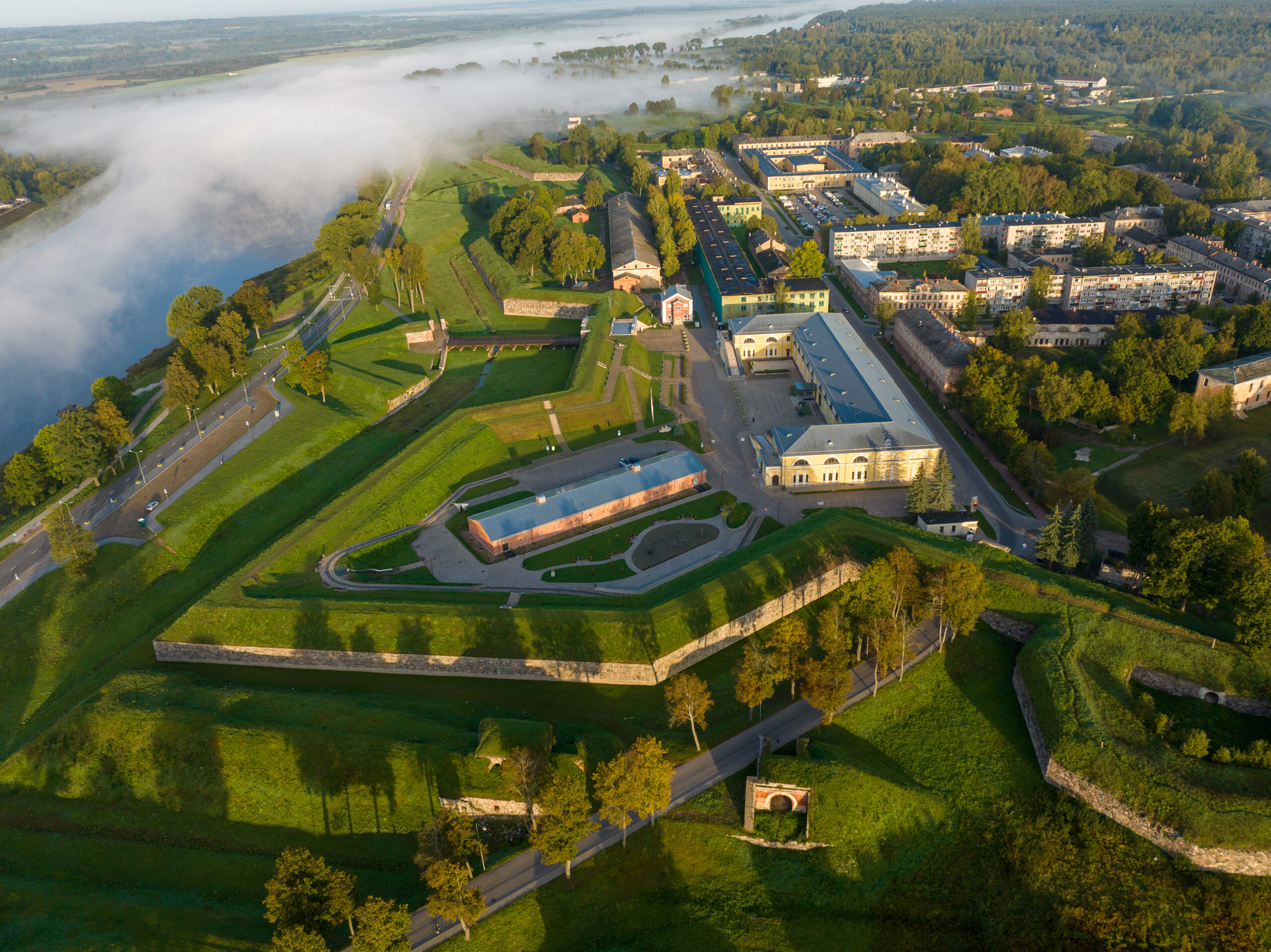
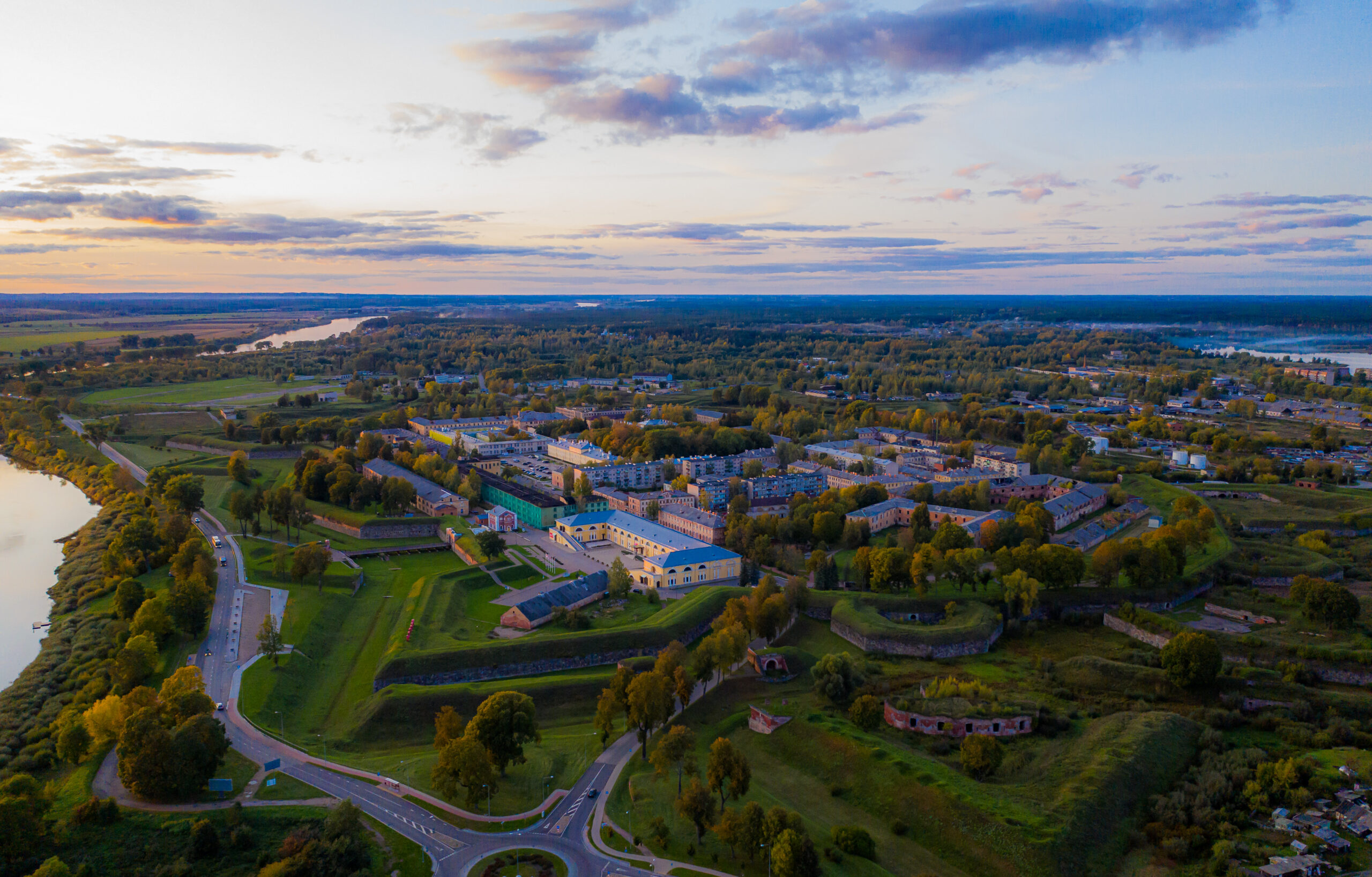
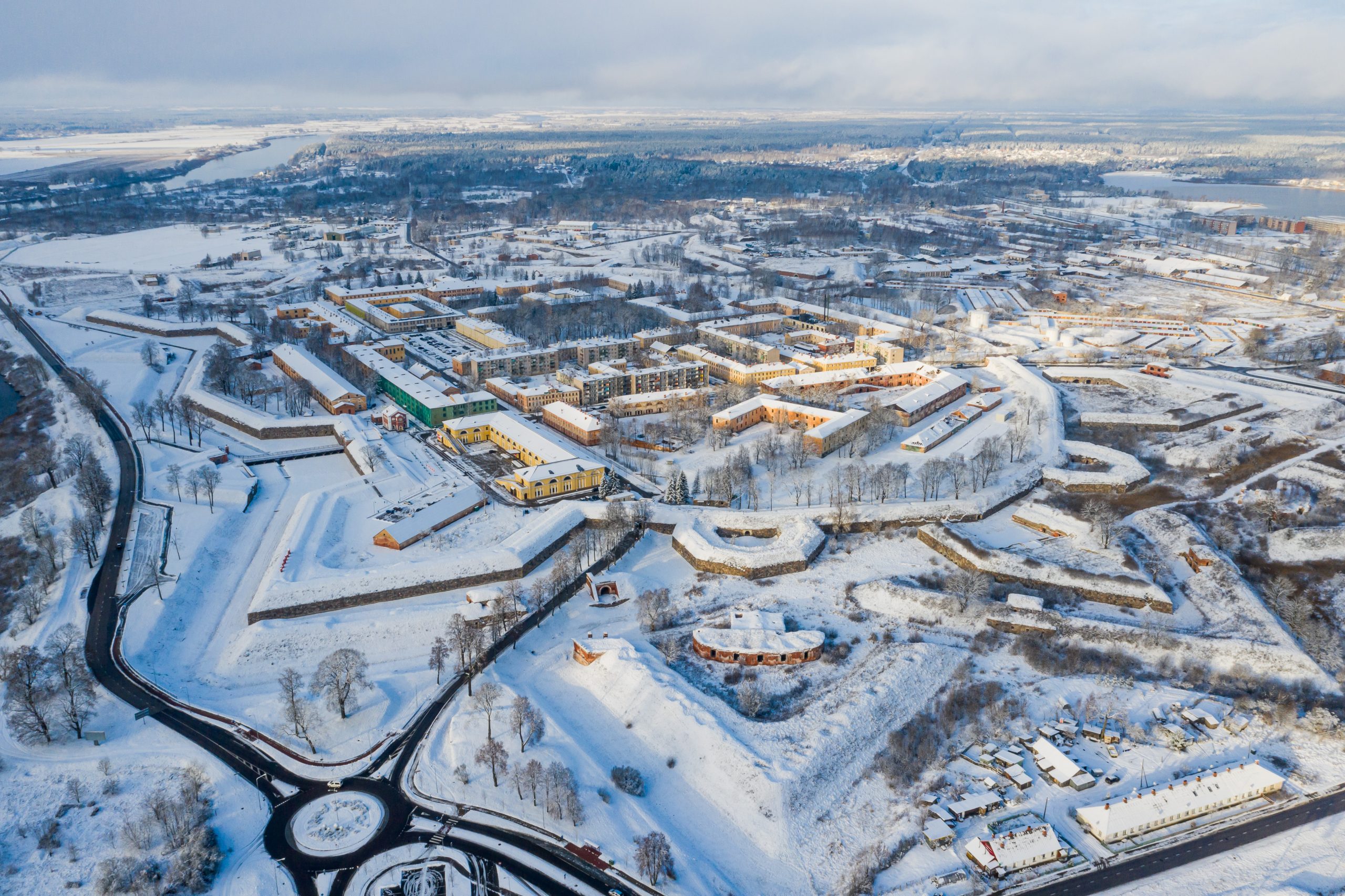
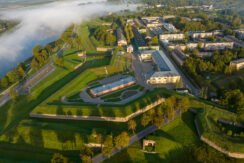
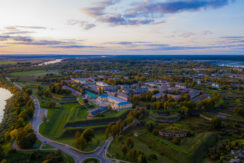
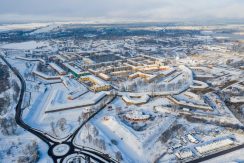
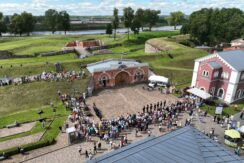
Daugavpils Fortress is a unique cultural and historical architectural monument of national significance, covering an area of about 150 hectares. It is considered the last bastion‑type fortress in the world that has survived without major alterations and still retains its unique fortification system. From a bird’s‑eye view, the fortress resembles the shape of a sun or a star, while some observers see the outlines of a turtle or a bat. Today, the fortress is one of the most popular attractions in Daugavpils.
The fortress is one of the districts of the city of Daugavpils, which is why it is open to visitors at any time of day.
Many interesting sites within the fortress are open to the public, including:
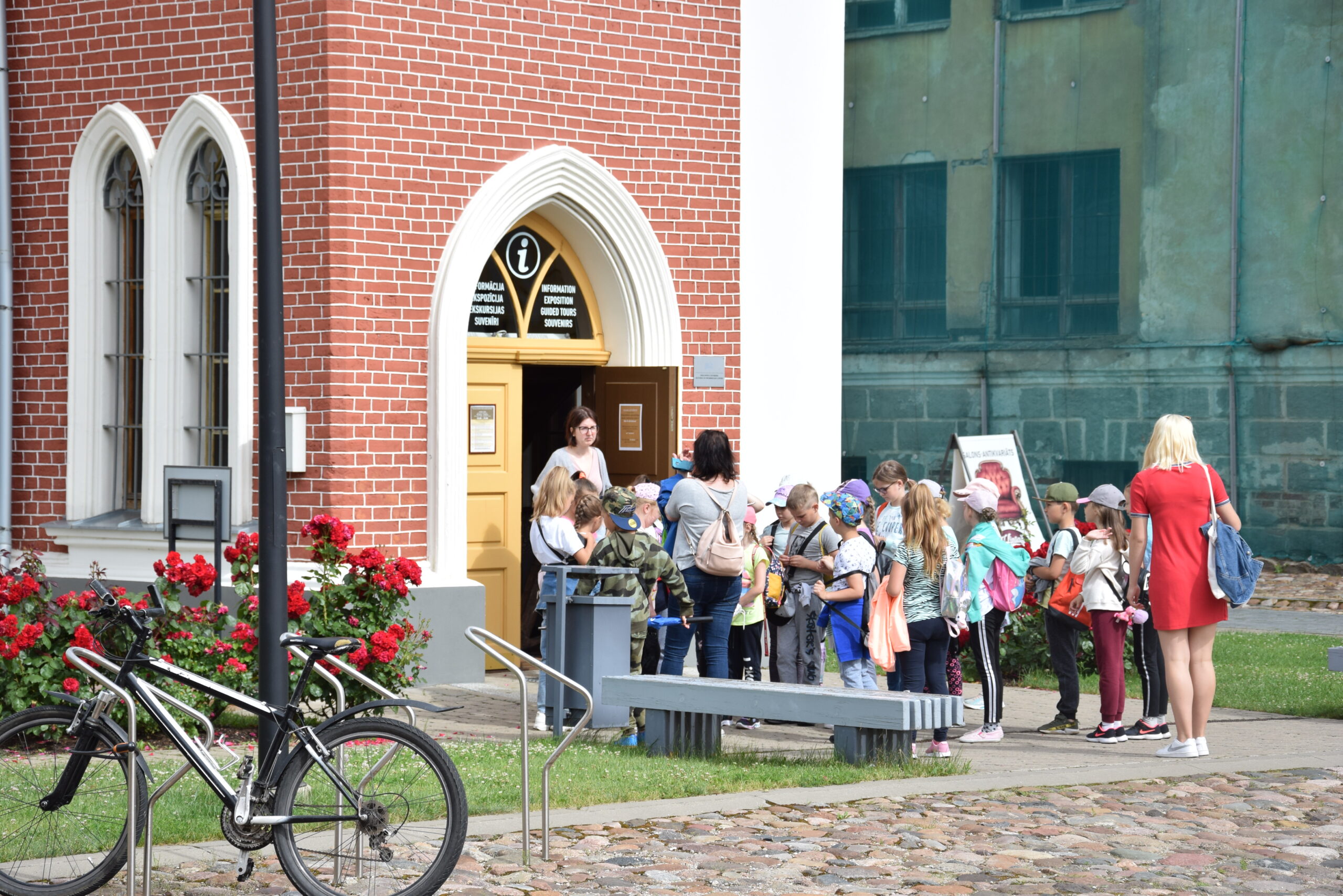
- Daugavpils Fortress Visitors Centre (offers guided tours around the historical territory of the fortress)
- Rothko Museum
- Martinsons House
- An open-storage chamber for contemporary ceramics from the Rothko Museum collection
- Centre of Technics and Industrial Design «Engineering Arsenal»
- Exhibition dedicated to medicine, featuring a collection of contraceptives
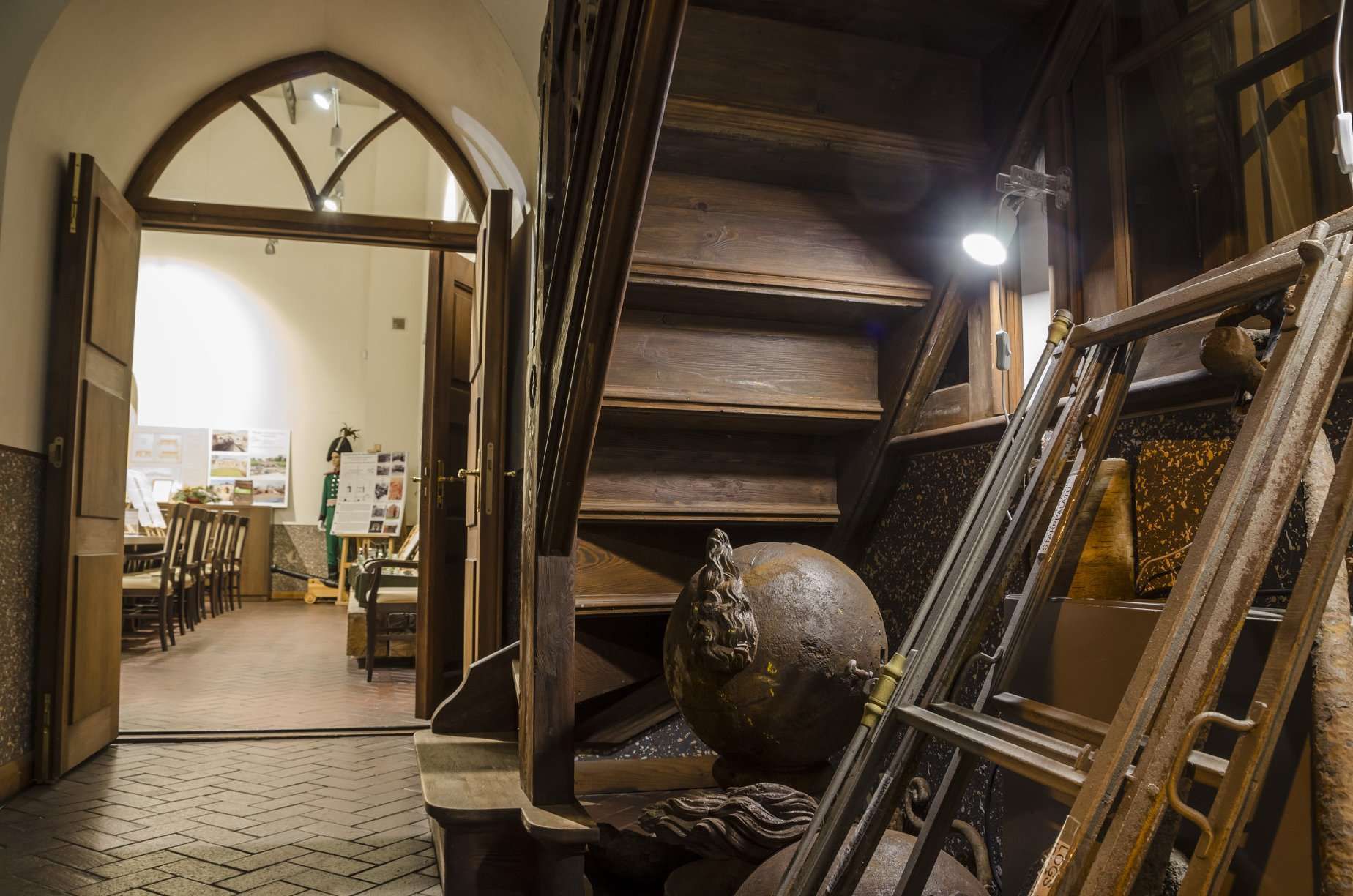
- Historical exposition “Nicholas Gates – a door to the past” (temporarily closed)
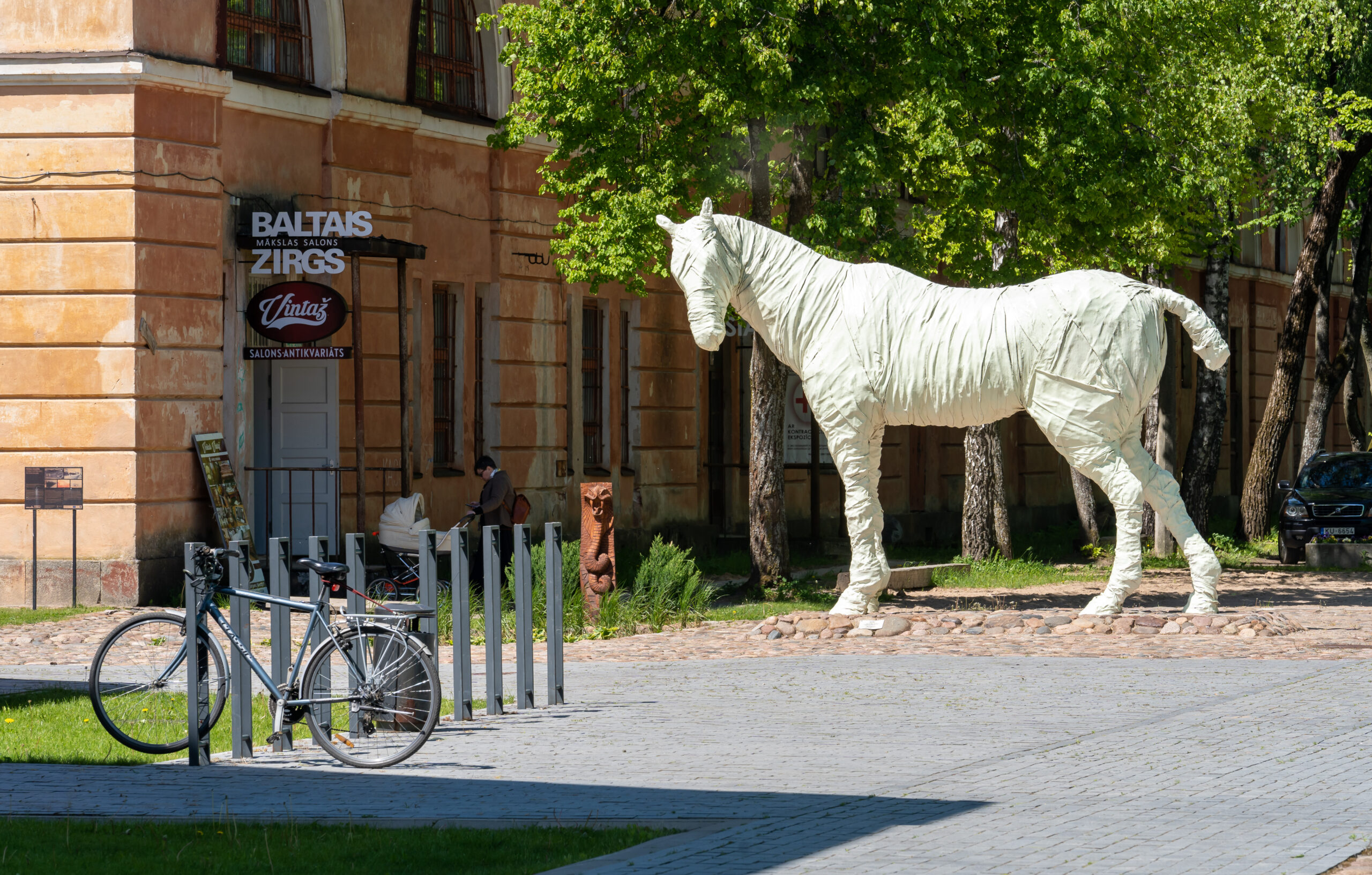
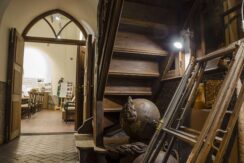
- “HouseVintage” — a gallery‑shop of historical furniture and interior items
- Bat Centre
- World War I Museum “Pie Komendanta”
- Retro car exhibition “RetroGaraž‑D”
Excursions around Daugavpils Fortress
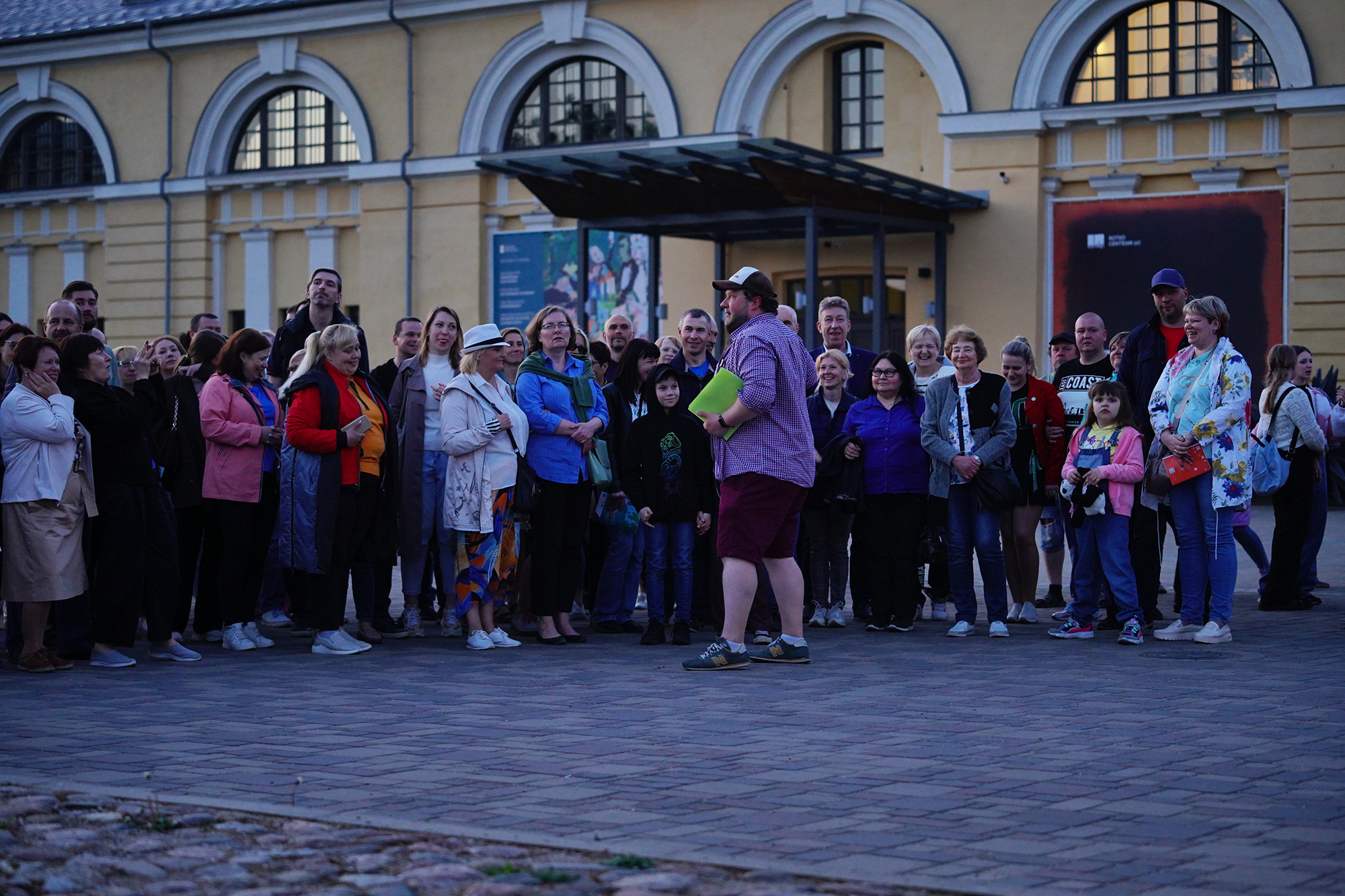
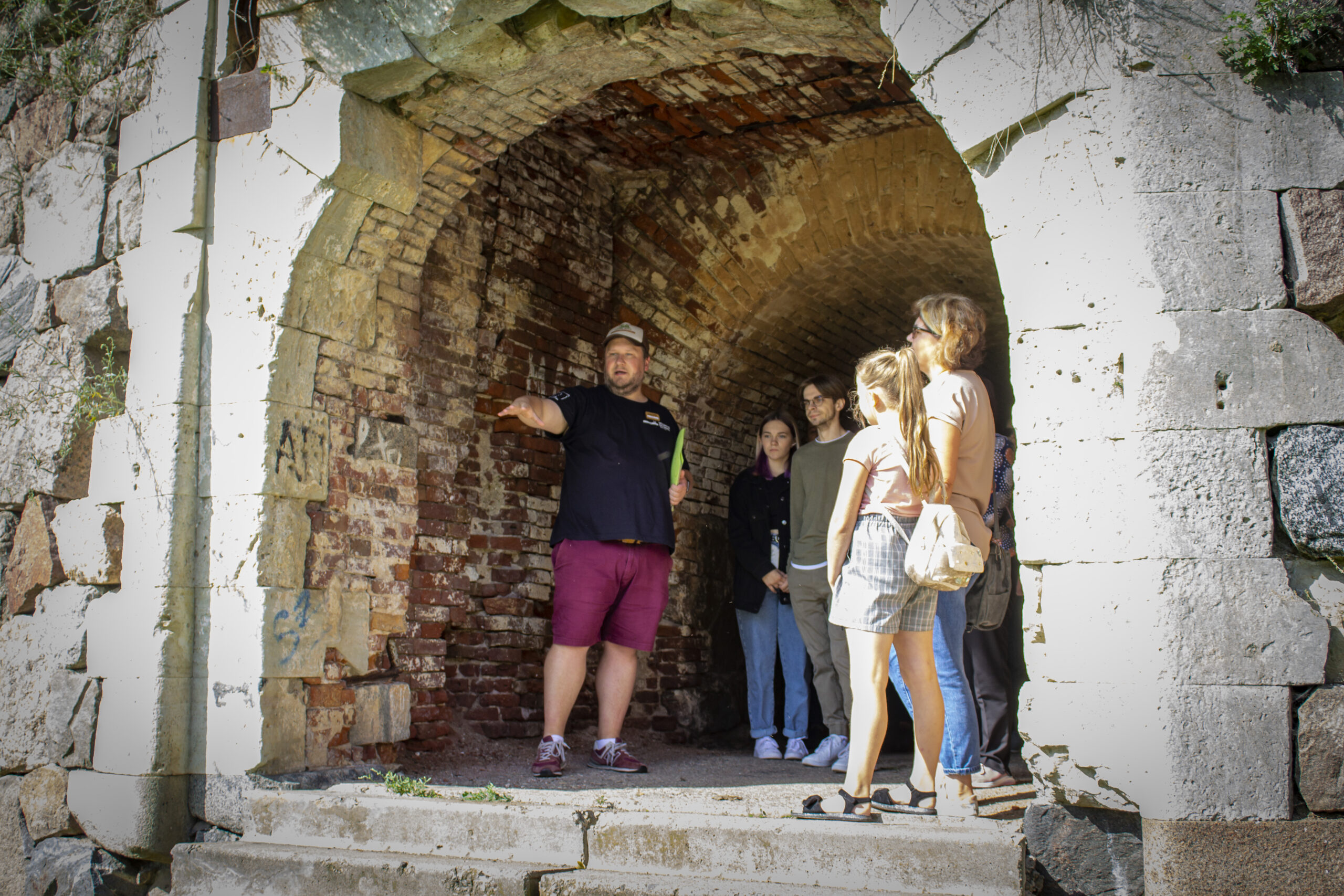
Discover the history of Daugavpils Fortress — book a tour with an experienced guide.
You can sign up for a tour at the Daugavpils Fortress Visitors Centre by calling +371 65424043 or +371 28686331, or by sending an email to: cietoksnis@daugavpils.lv.
More about the fortress:
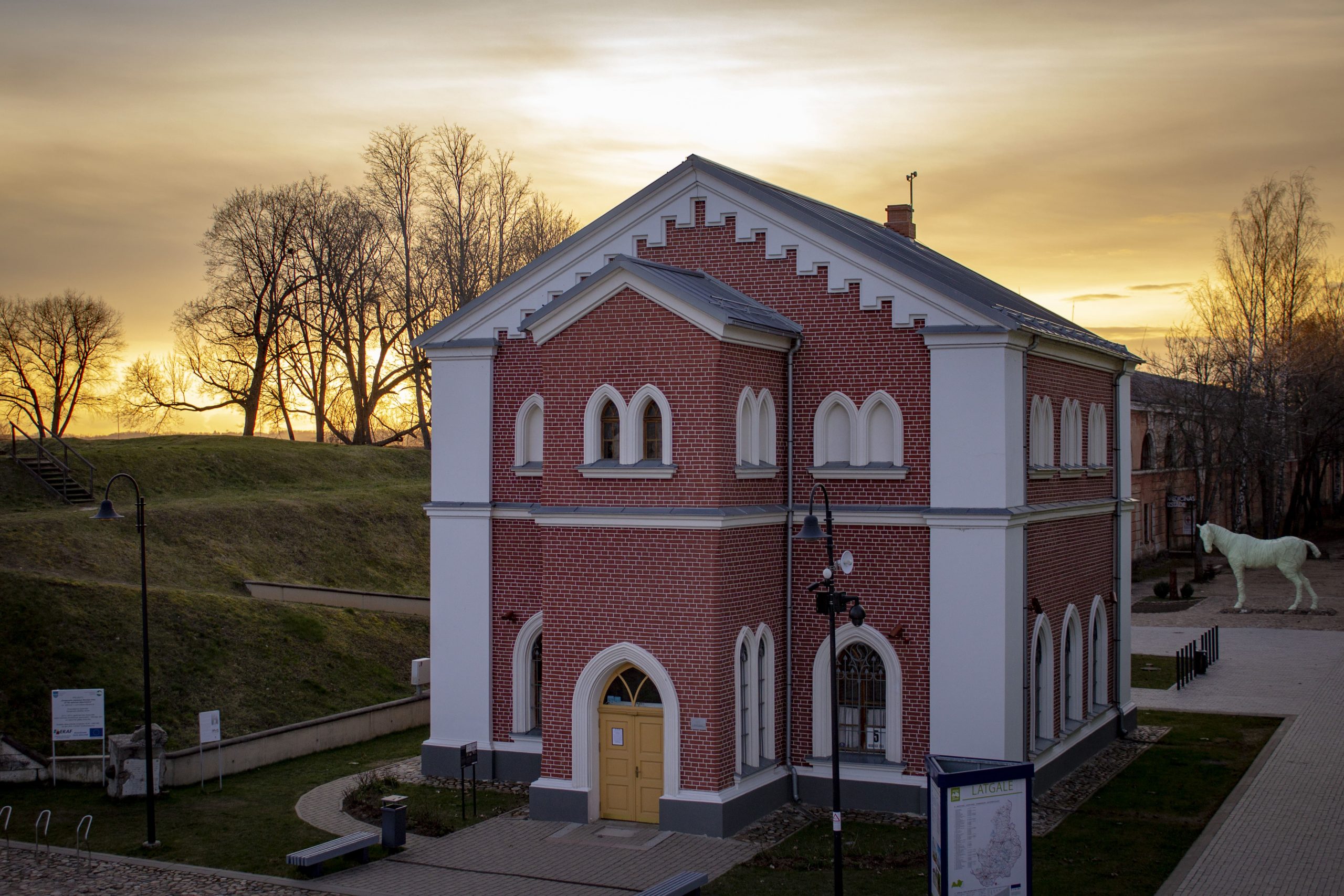
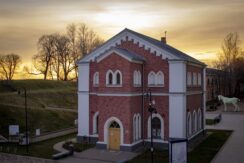
An equally important part of the fortress ensemble is its internal development. Around 80 buildings have been preserved here to this day, connected by ten streets, each of which still retains its historical name. At present, the fortress infrastructure is being restored, and its buildings are experiencing a period of revival. One such site is the former water lifting house, which now houses the Daugavpils Fortress Visitors Centre. The restored Commandant’s House currently accommodates the Latgale Regional Administration and the Daugavpils Department of the State Police, while the Artillery Arsenal building is used by the Rothko Museum. In 2023, the former Engineering Arsenal was transformed into the Centre of Technics and Industrial Design “Engineering Arsenal”, offering a contemporary perspective on the historical environment.
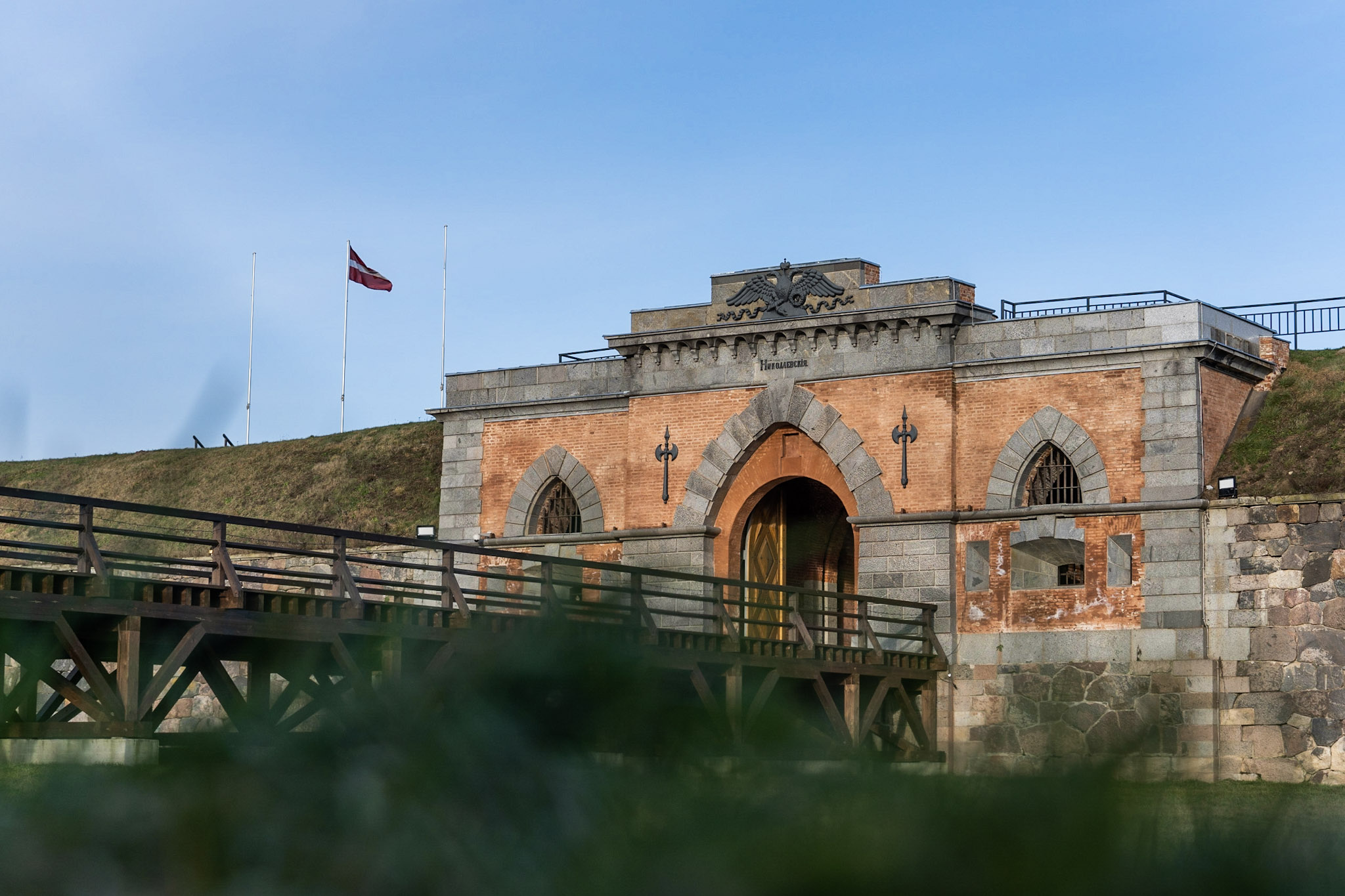
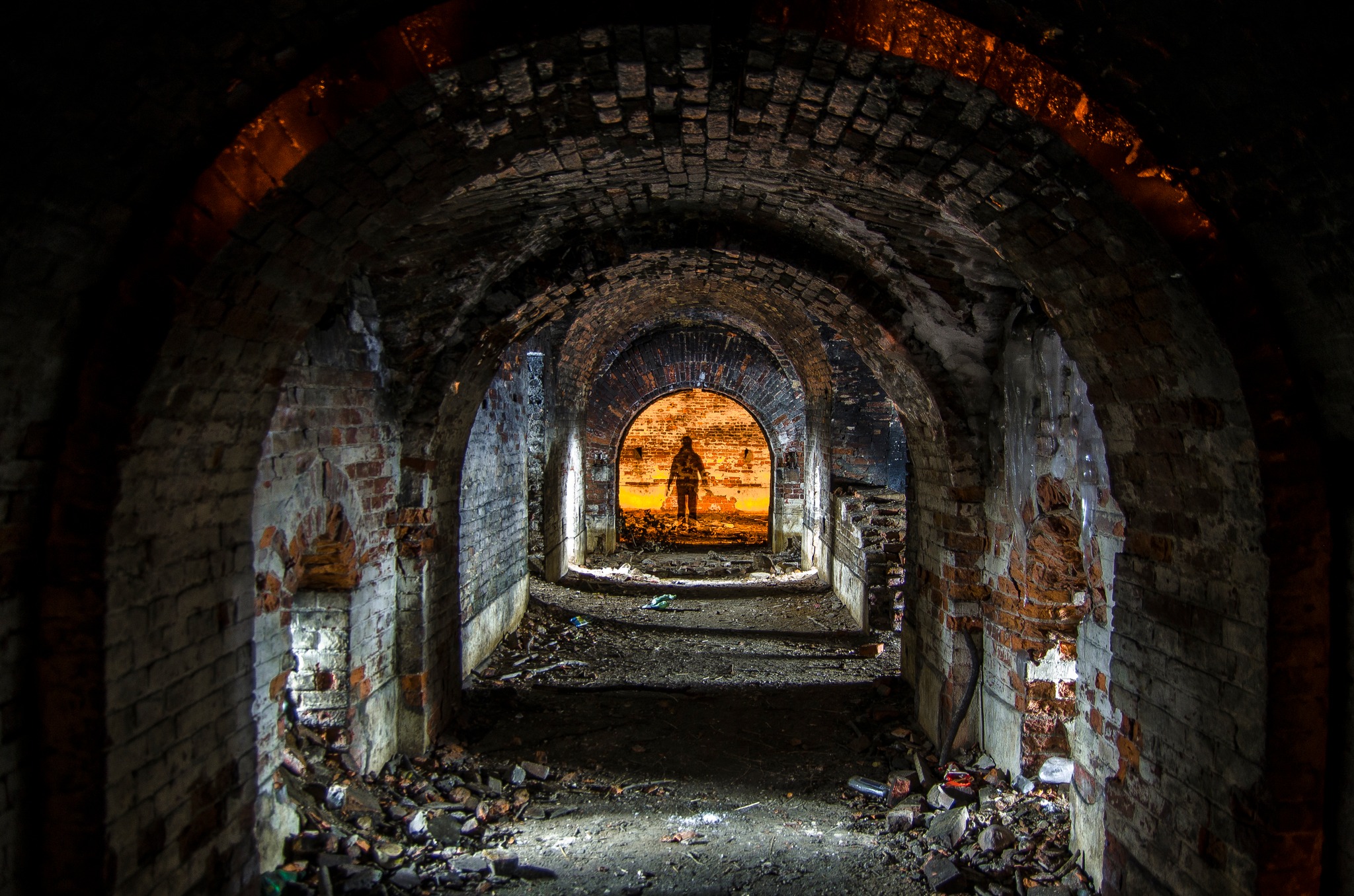
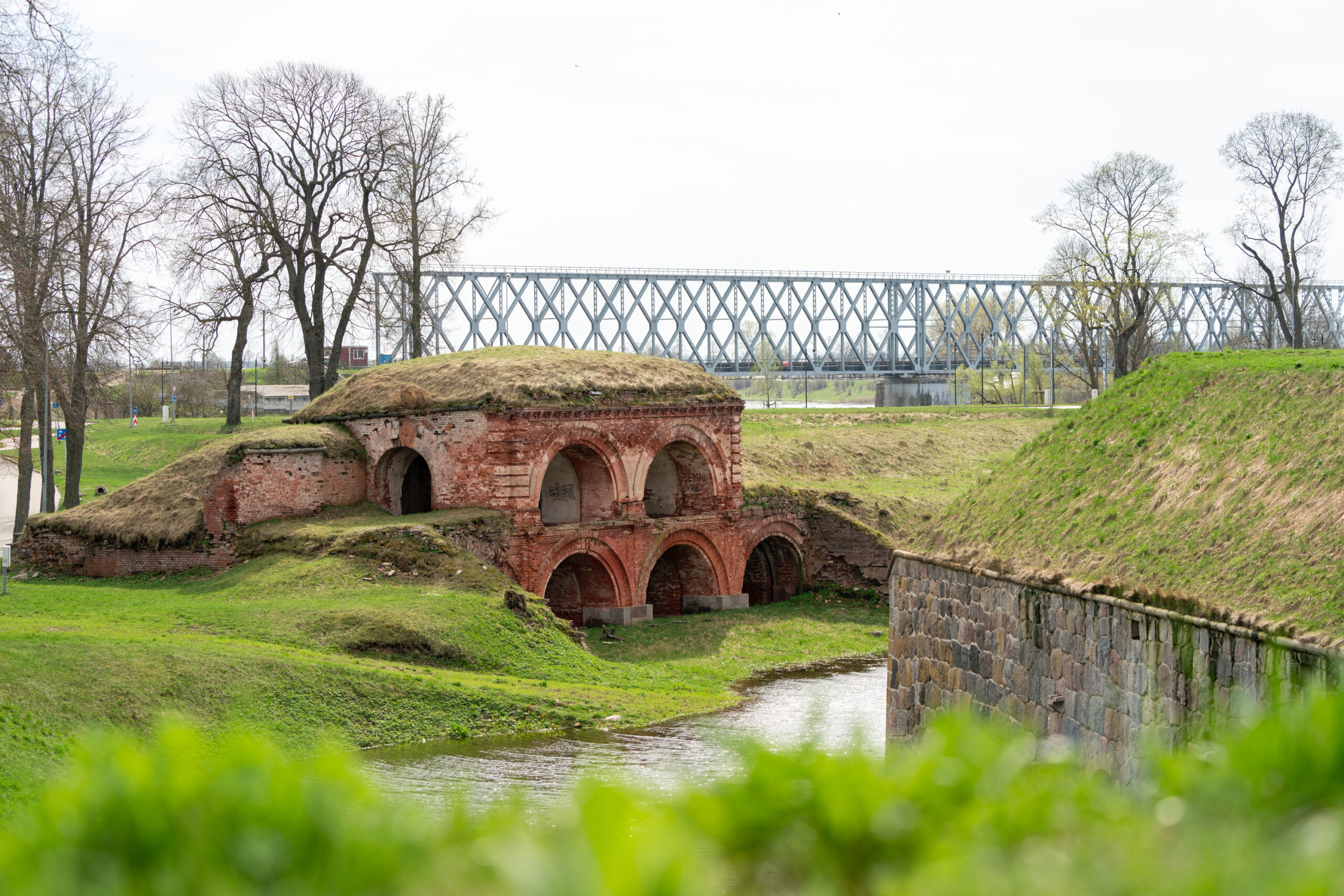
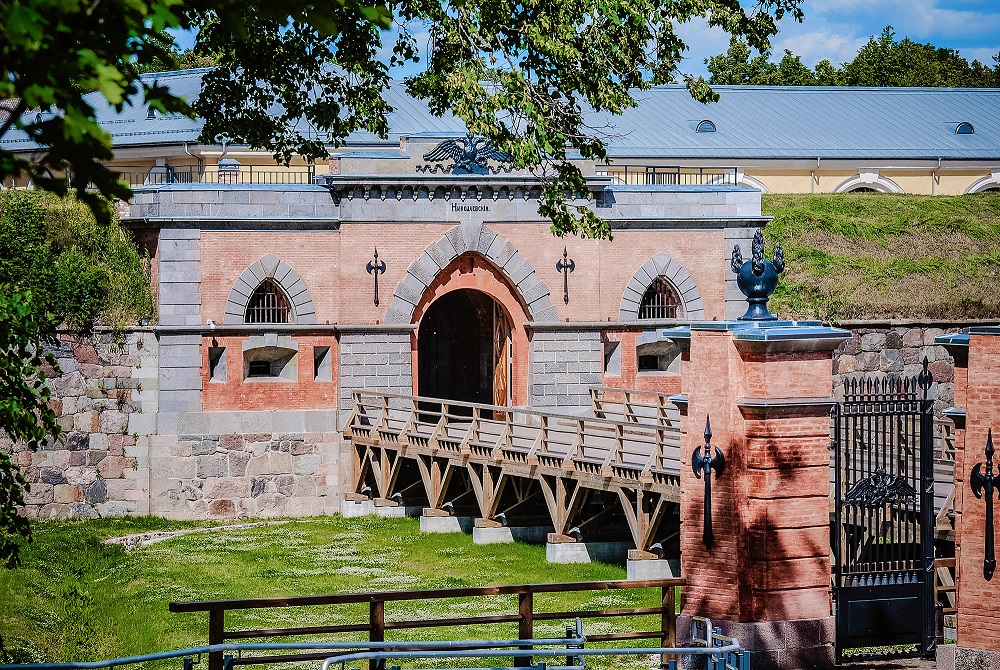
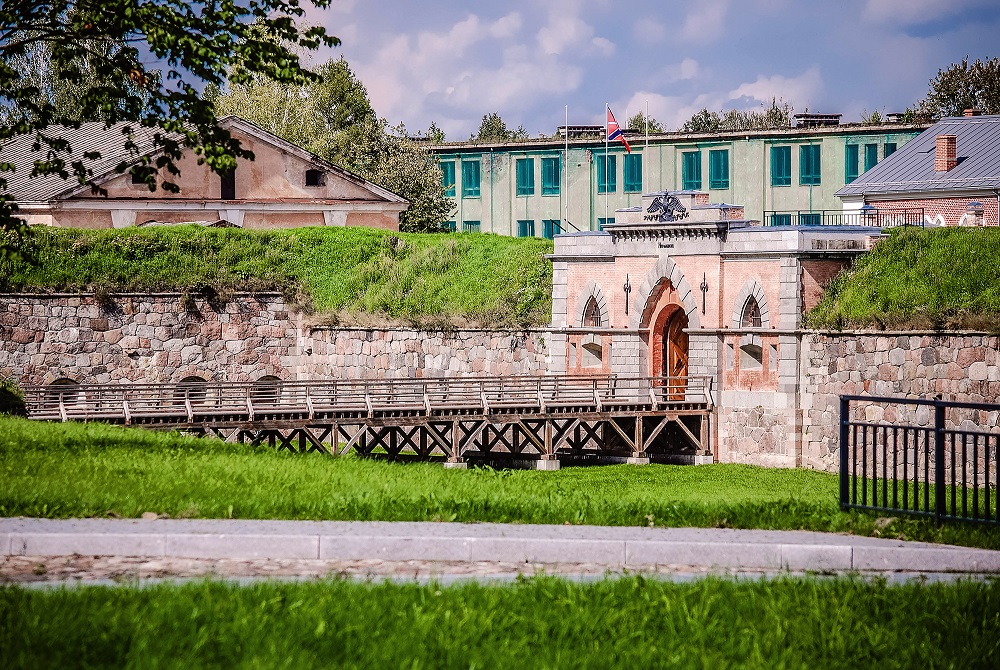
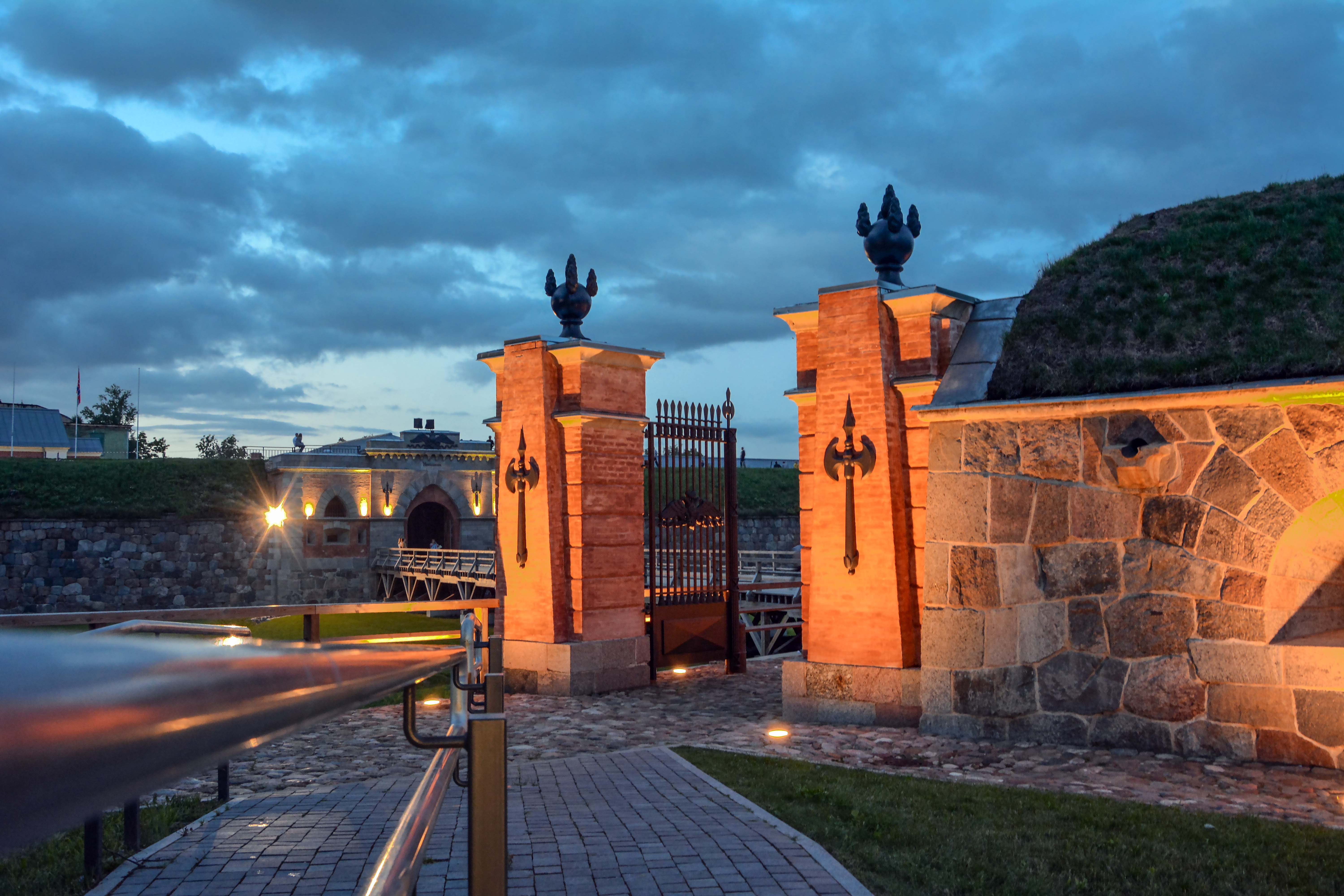
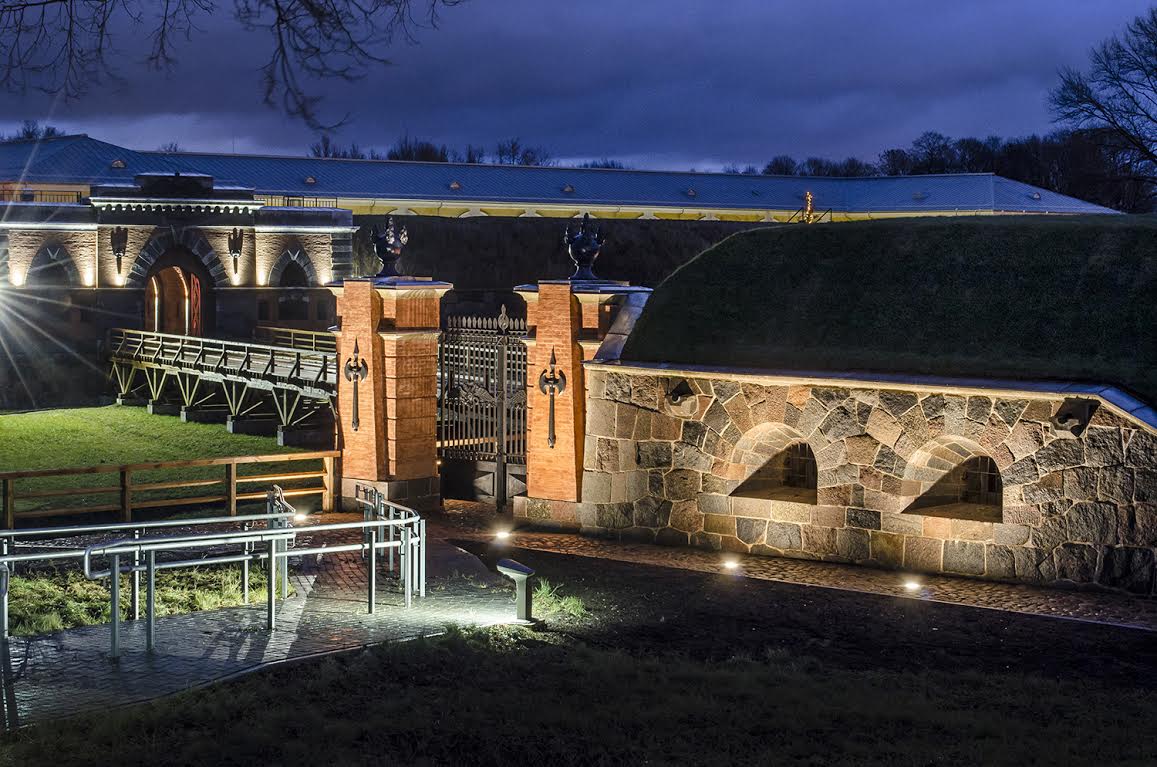
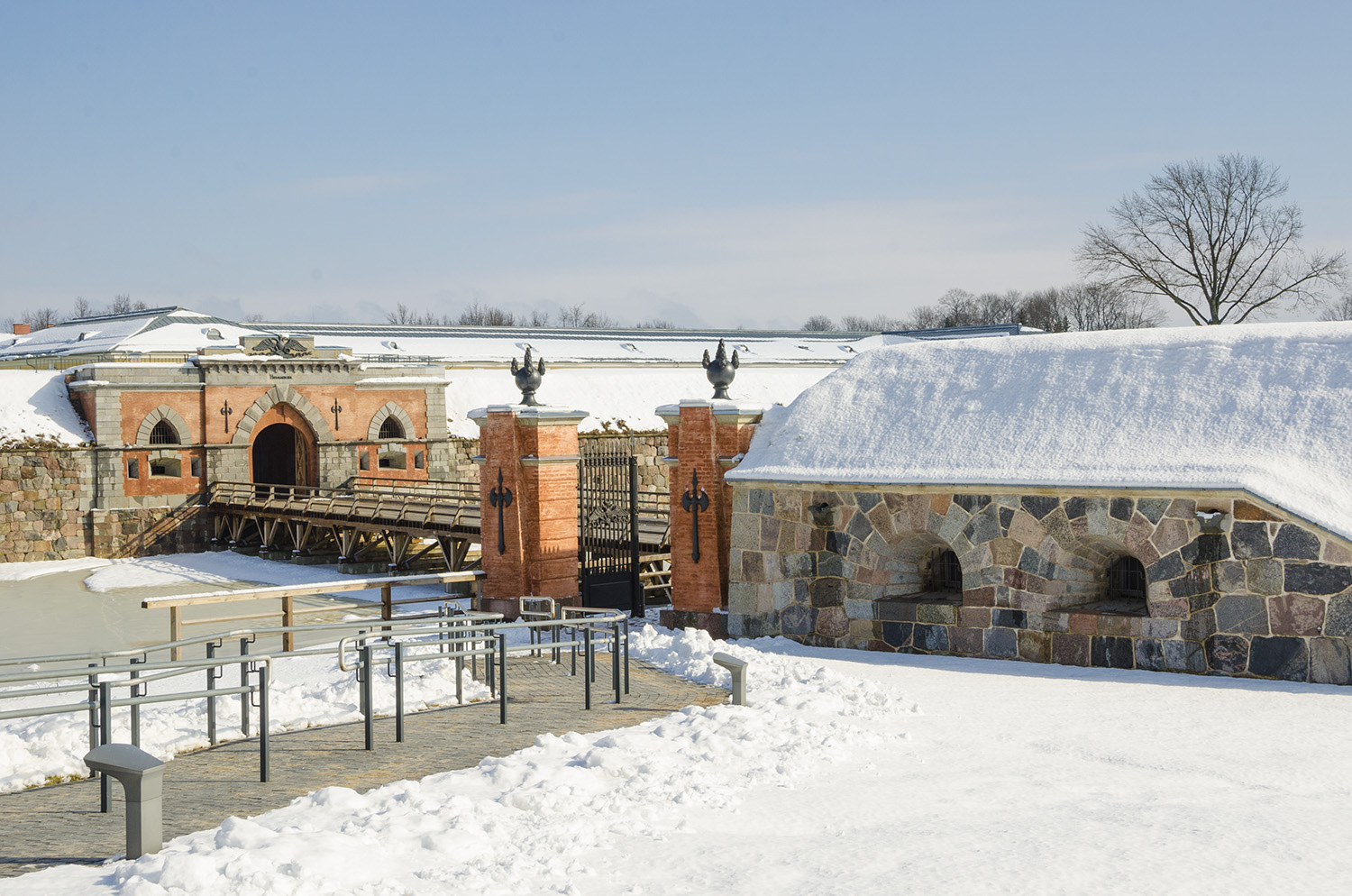
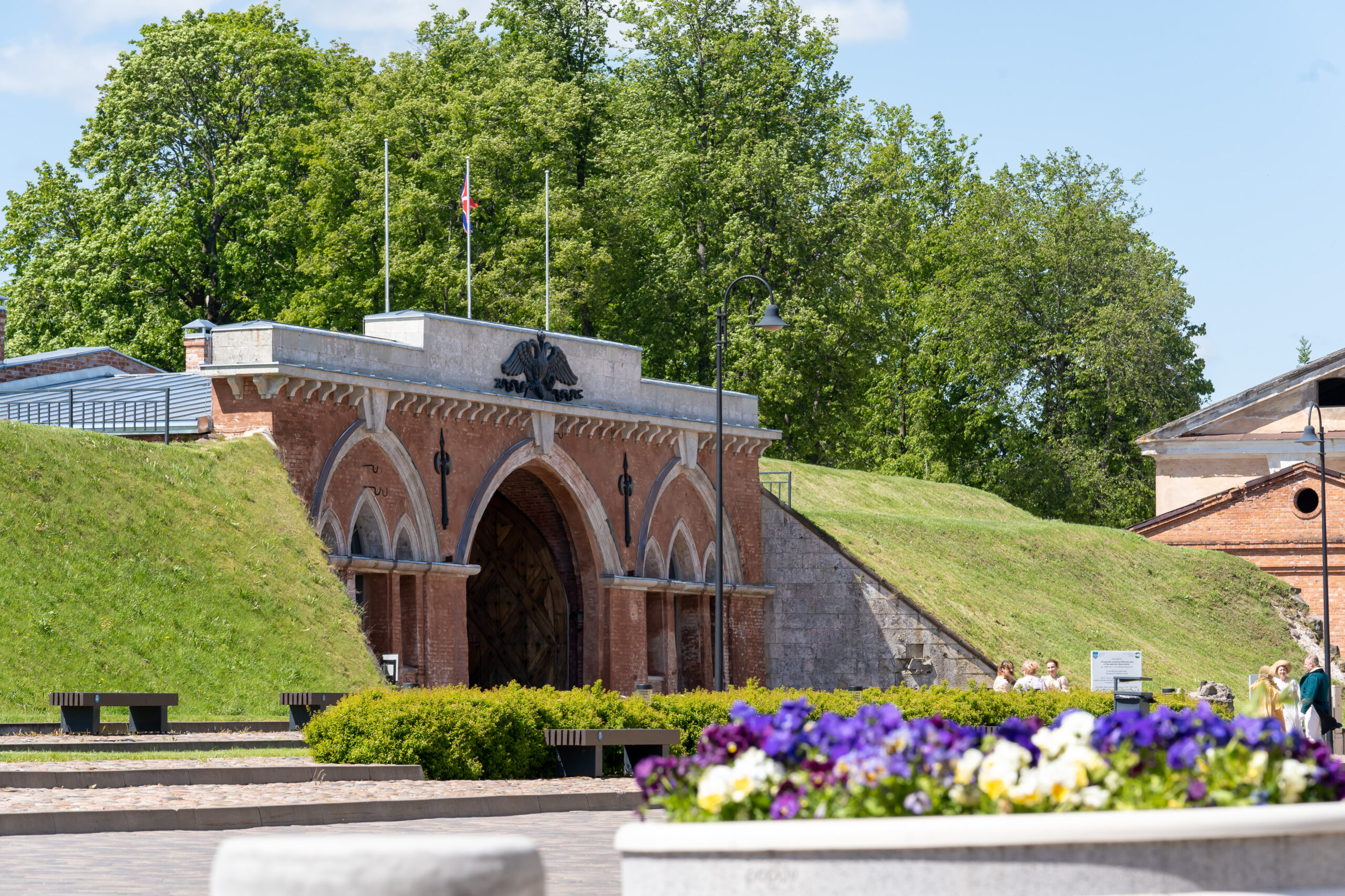
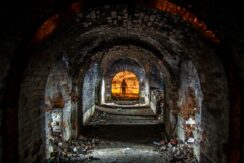
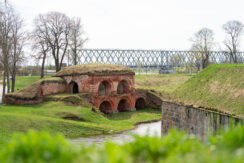
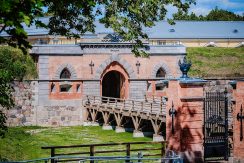
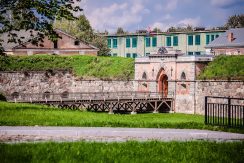
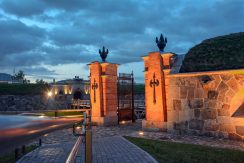
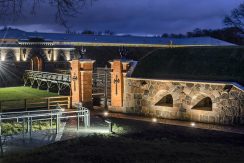
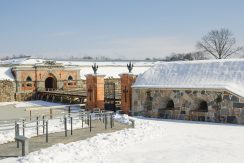
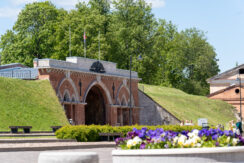
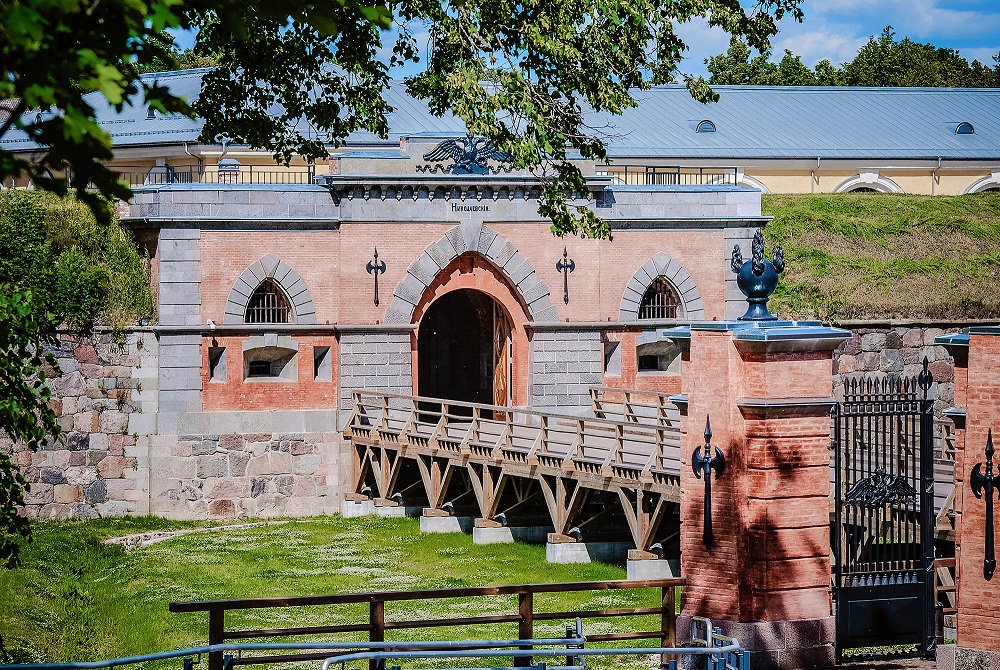
In recent years, several other significant objects of the fortress have also been restored. The Nicholas Gate, which in 2013 was recognised as Latvia’s best restoration project, has been renovated, as well as the wooden bridge that once connected the gate with the first riverside lunette. The guardhouse of the lunette has also undergone restoration, along with the rampart of the 7th bastion — a stretch of about 400 meters featuring casemates, which now house an exhibition of contemporary ceramics. A permanent exhibition dedicated to the renowned Latvian ceramicist Pēteris Martinsons — “Martinsons House” — has been created in the former gunpowder cellar. These projects have significantly reshaped the appearance of the fortress, making it even more attractive to visitors.
In 2018, the Daugavpils Fortress regeneration project was awarded the Council of Europe Landscape Award.
Construction of the fortress began in 1810 to protect the western borders of the Russian Empire in anticipation of the war with Napoleon. The project was entrusted to military engineer Major General Heckel, and in total, around 10,000 people took part in building the fortress, working continuously in two shifts. Immediately after the end of the War of 1812, construction resumed, and up until the beginning of the First World War, the fortress housed a garrison of the Imperial Russian Army. In total, the fortress could accommodate up to six thousand people.
In 1920, units of the Latvian Army were stationed in the fortress — specifically, three infantry regiments and one artillery regiment of the 4th Zemgale Division.
In 1940, the Red Army took over the Daugavpils Fortress. The previous garrison was disbanded, and the Latvian Army regiments left the site. During the Second World War, a prisoner‑of‑war camp for Soviet soldiers, “Stalag‑340”, was established on the fortress grounds. A Jewish ghetto operated in the bridgehead area, where Jews from Daugavpils and the surrounding regions, as well as from Lithuania, were brought. From 1948 to 1994, the Daugavpils Higher Military Aviation Engineering School was located in the fortress.
Today, the fortress is a city district with more than a thousand residents.
In recent years, the fortress has been developing rapidly and attracting an increasing number of visitors from Latvia and abroad. Numerous projects aimed at improving and revitalising the fortress and its surrounding area are actively being implemented. More and more families choose this place for walks, outdoor recreation, and photoshoots.
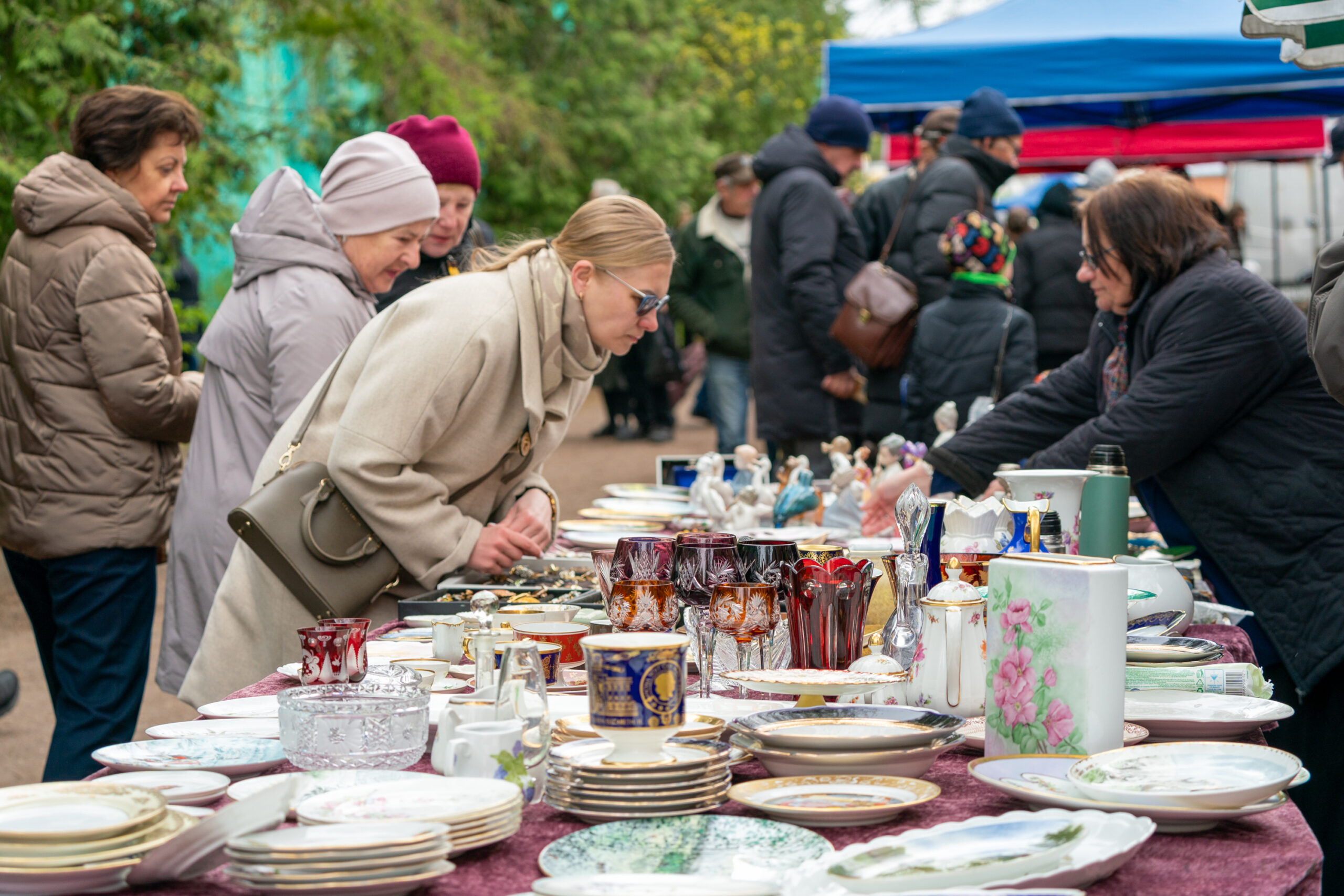
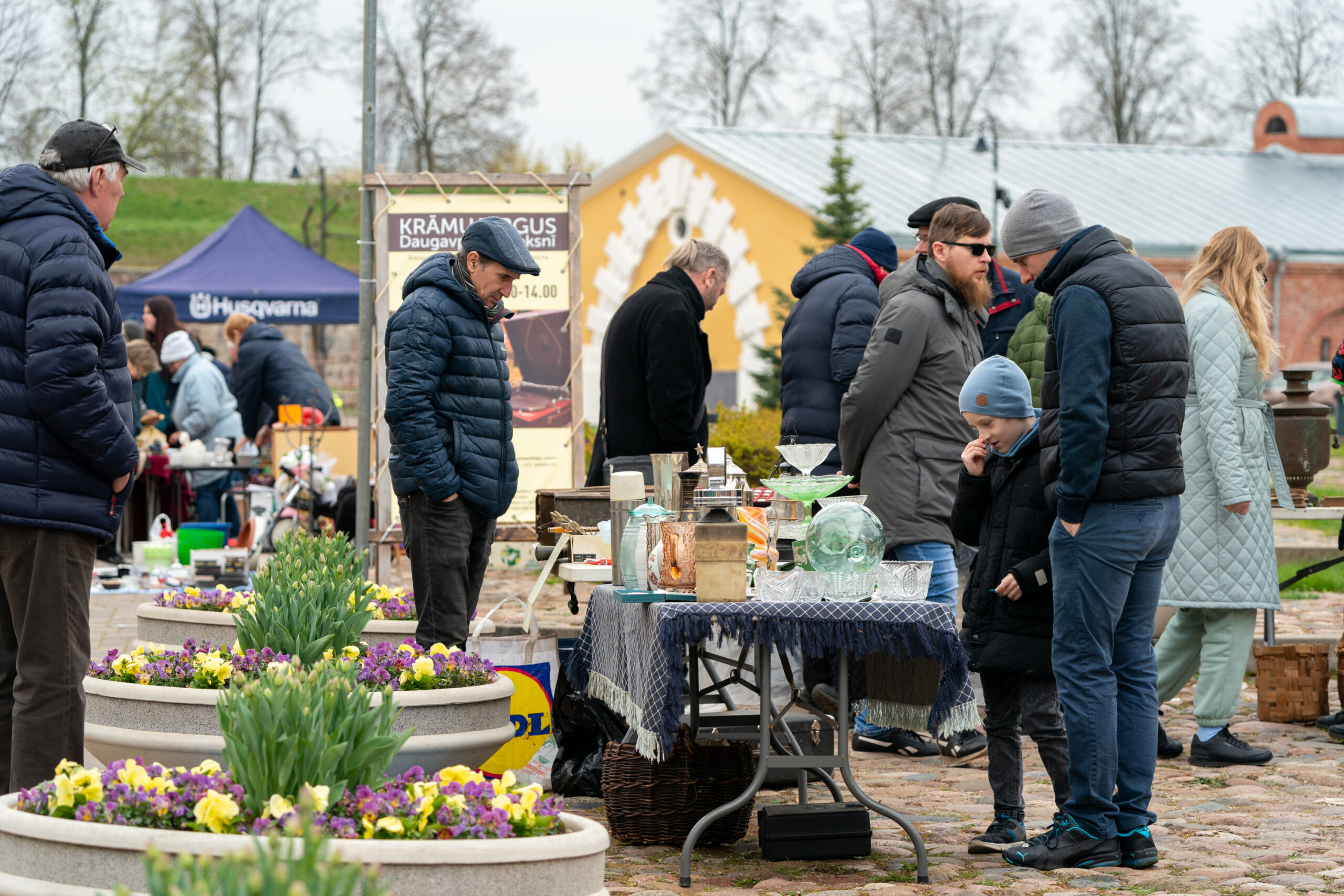
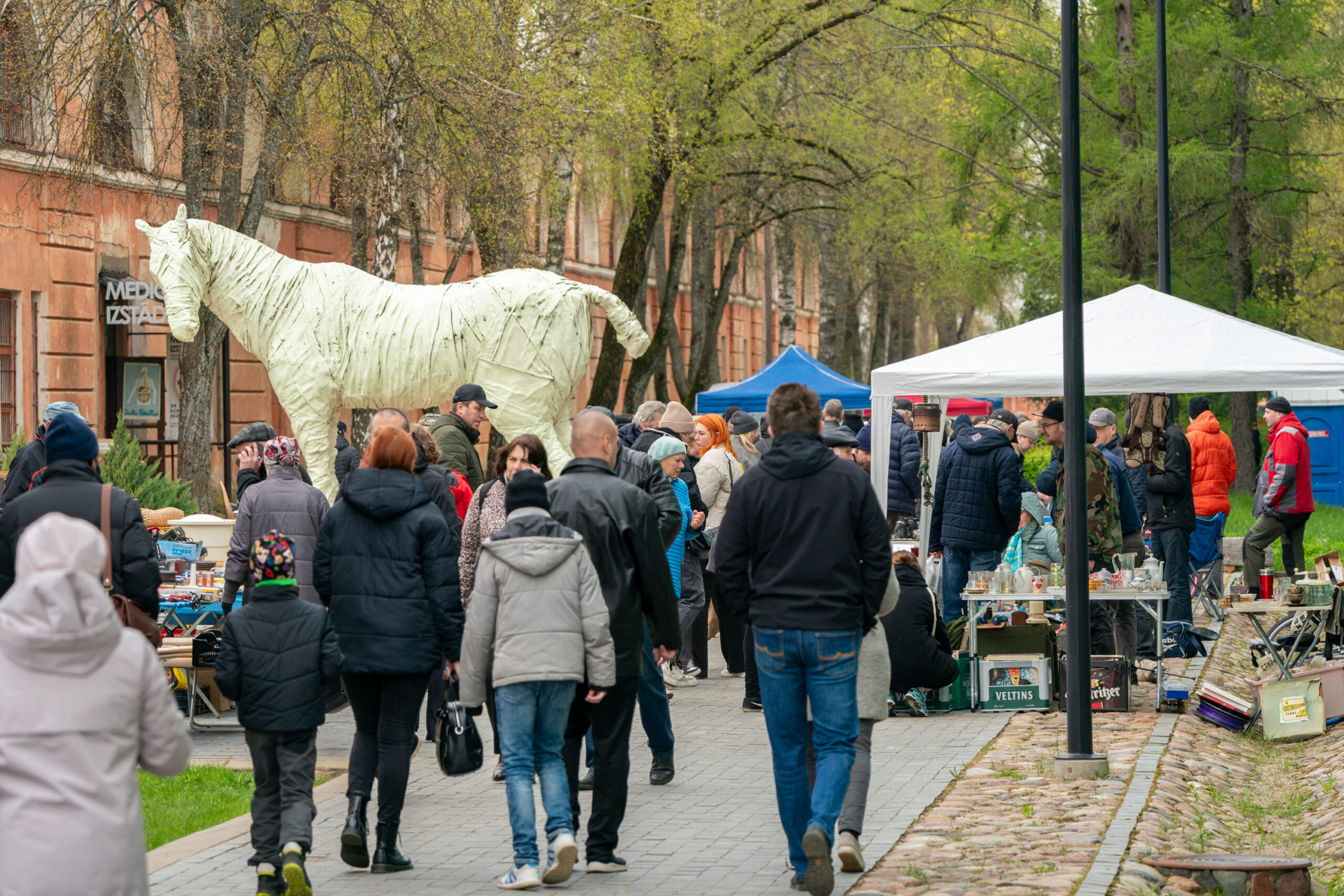
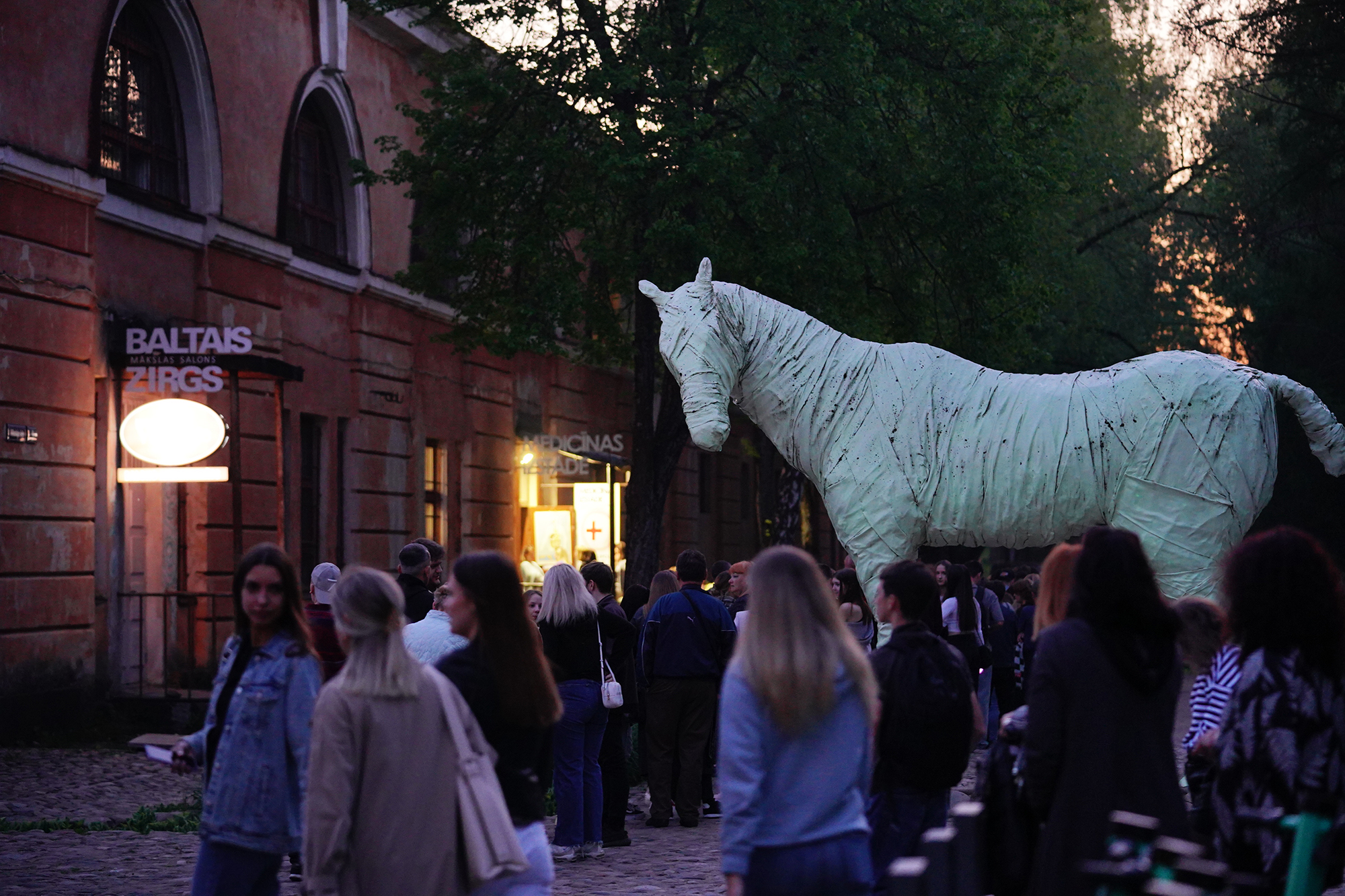
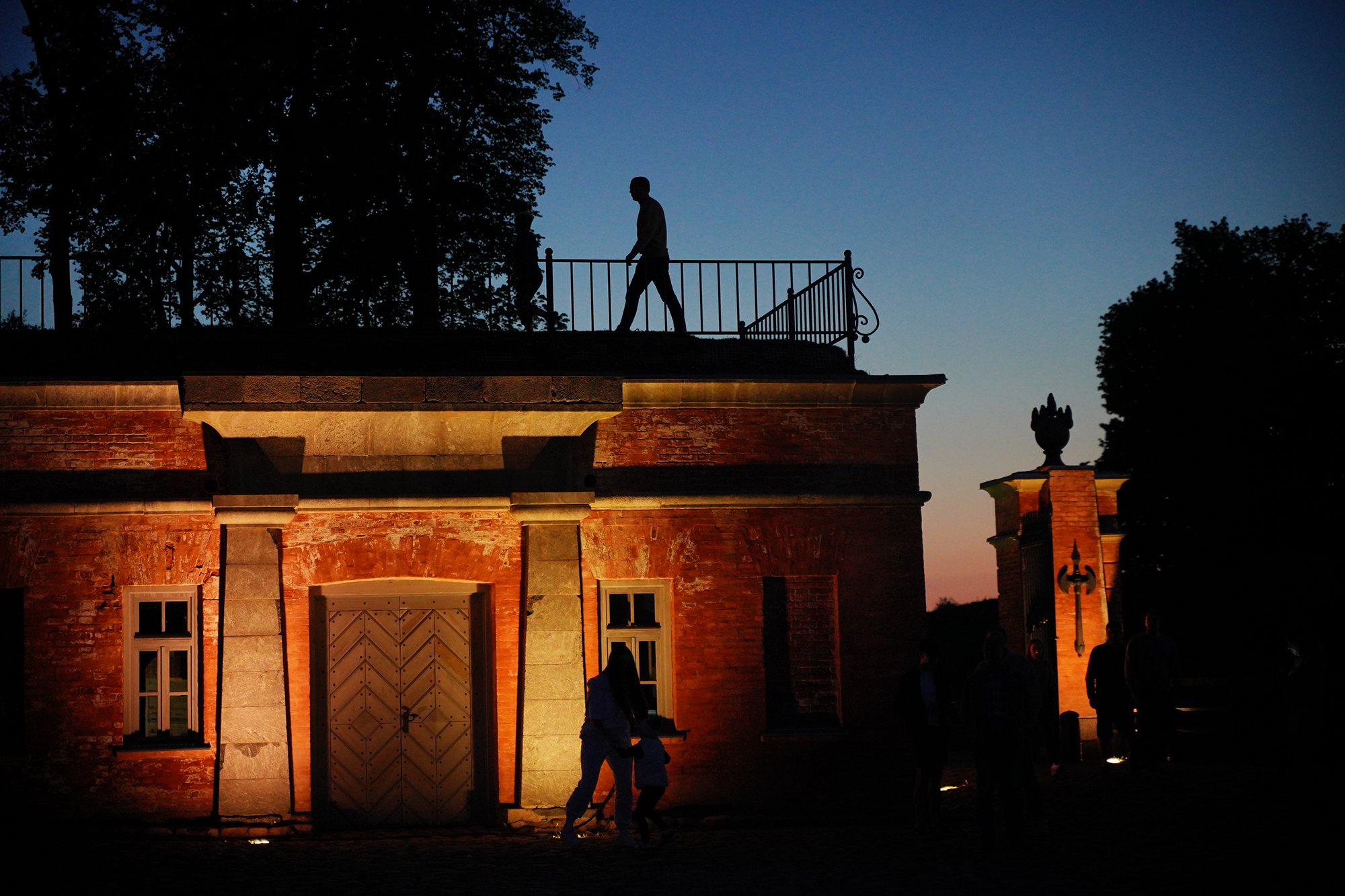
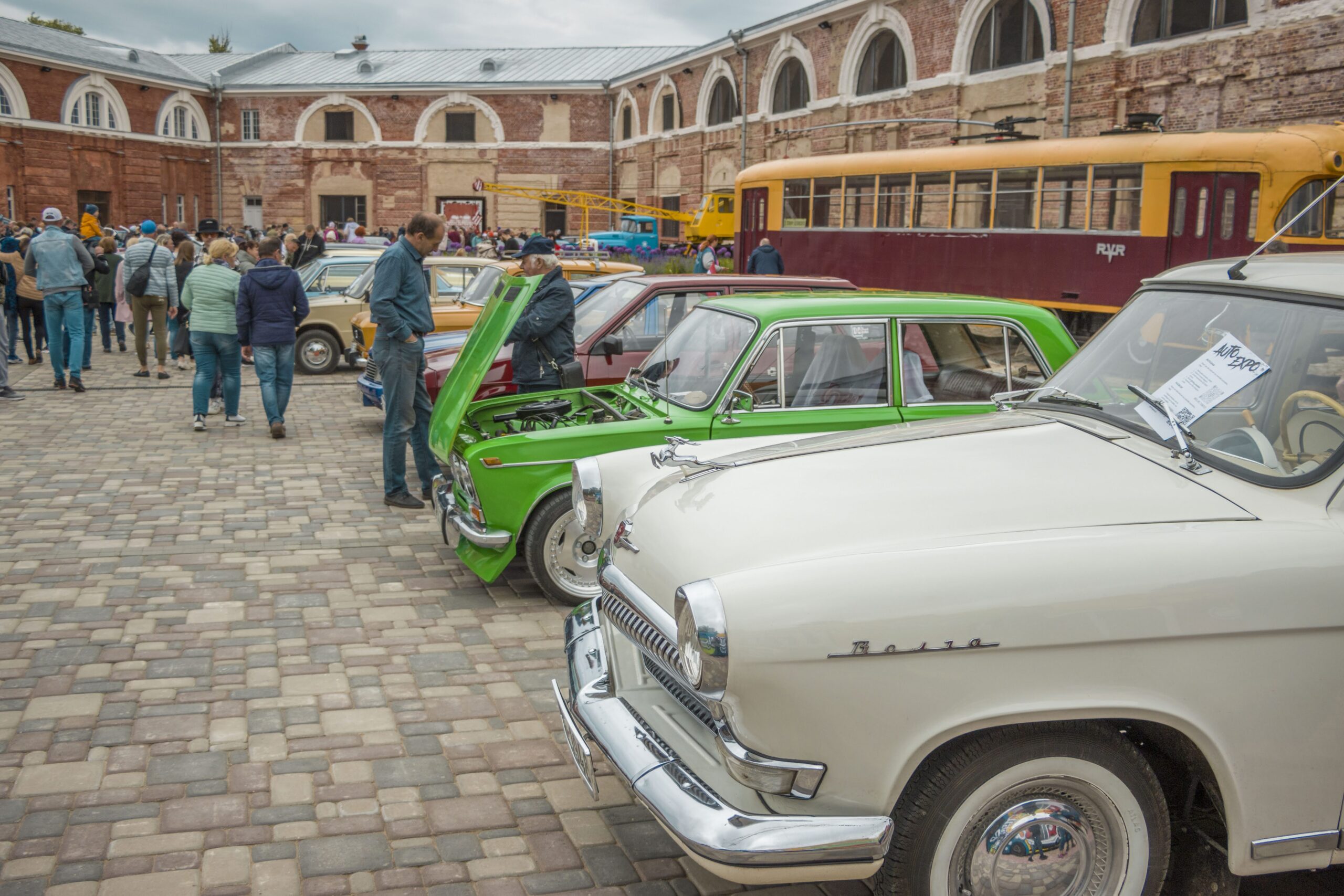
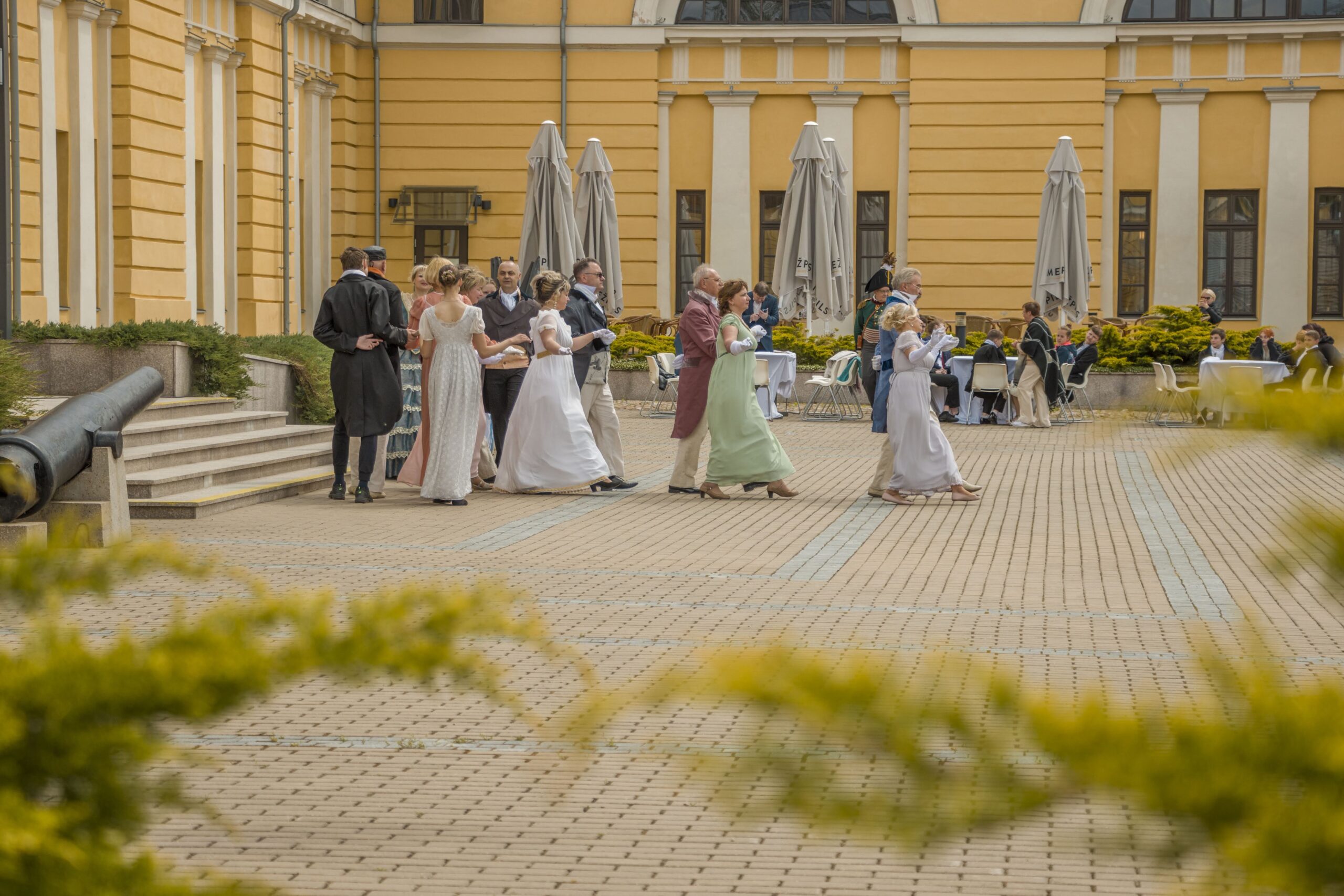
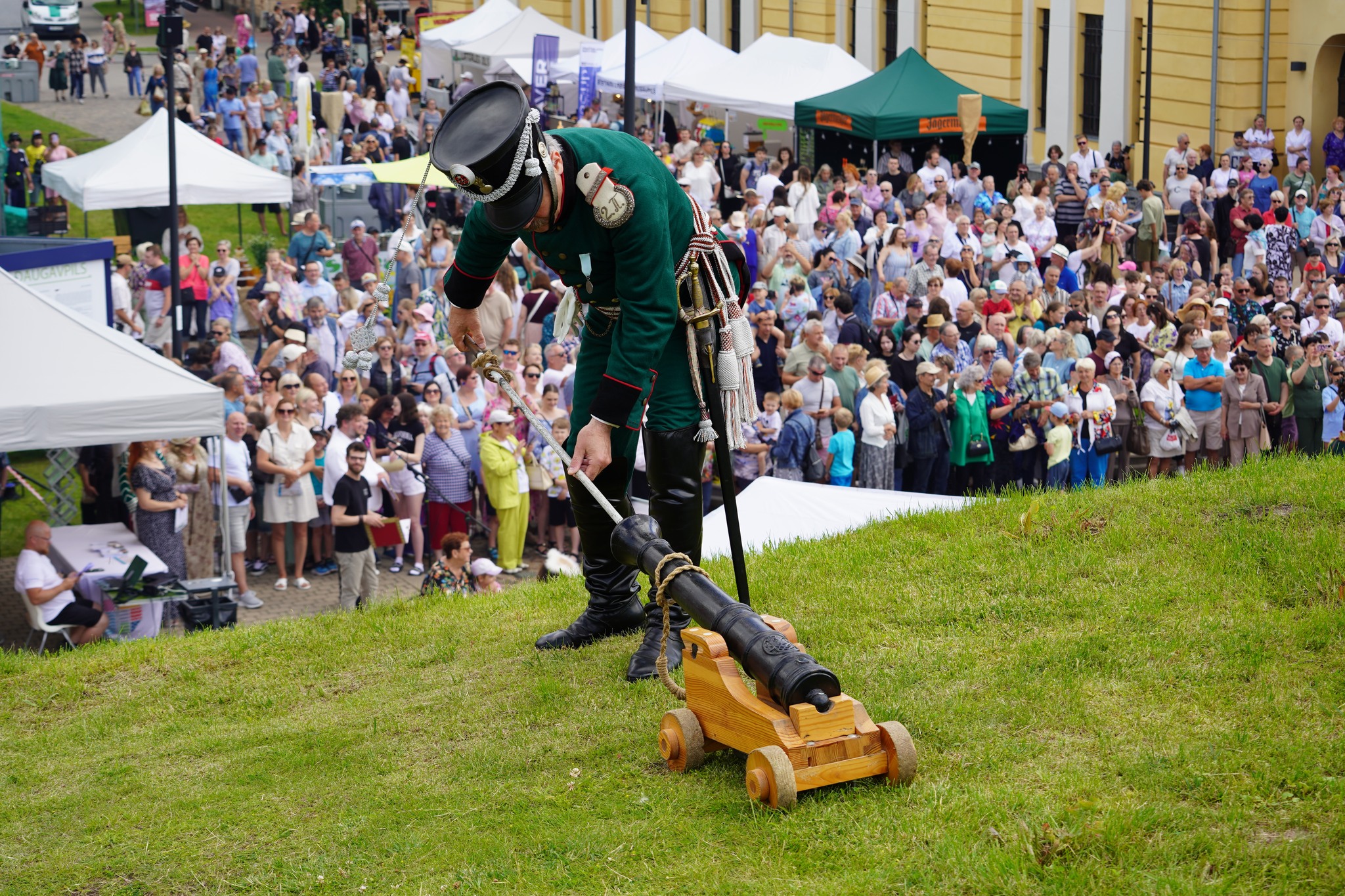
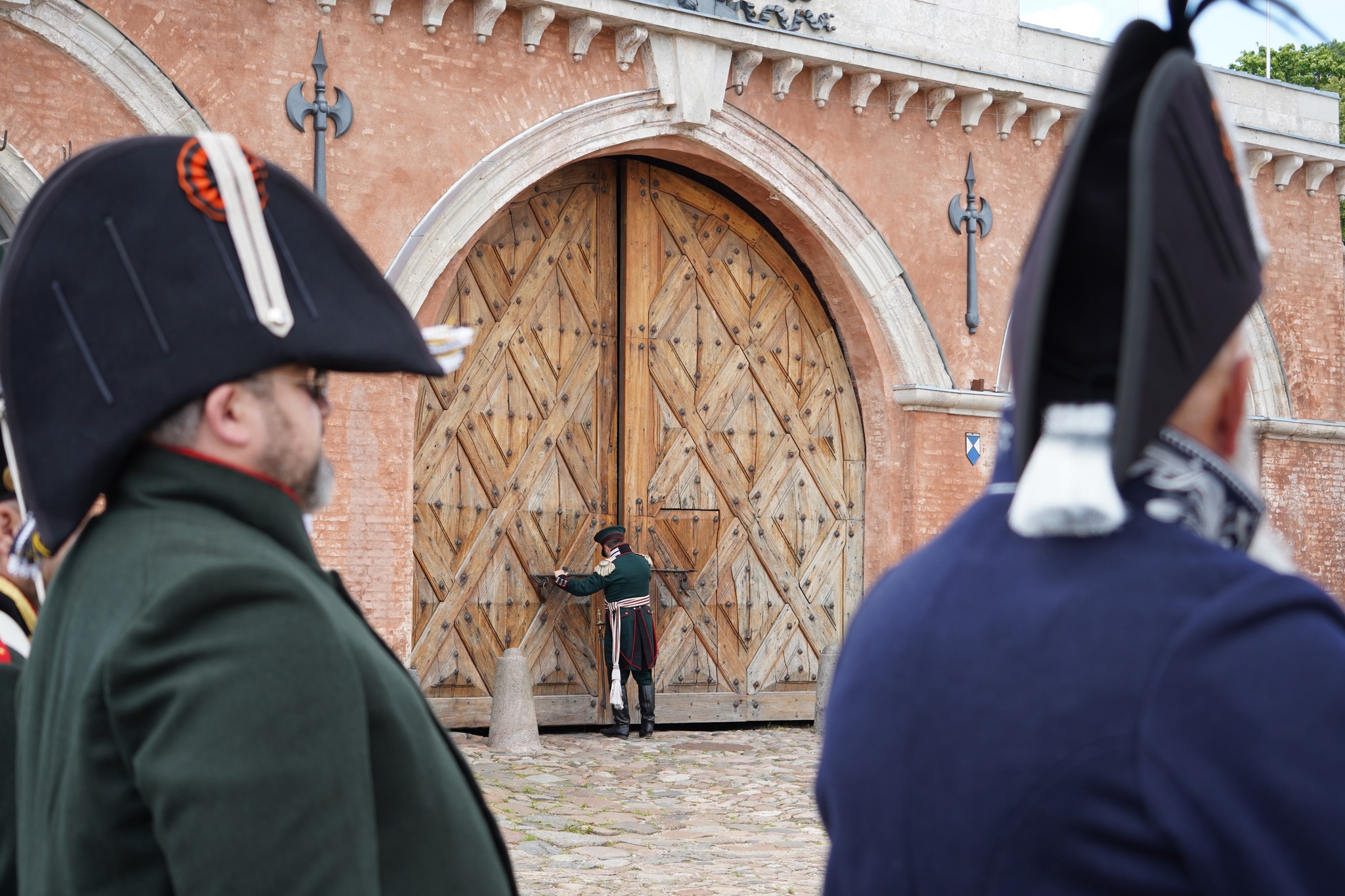
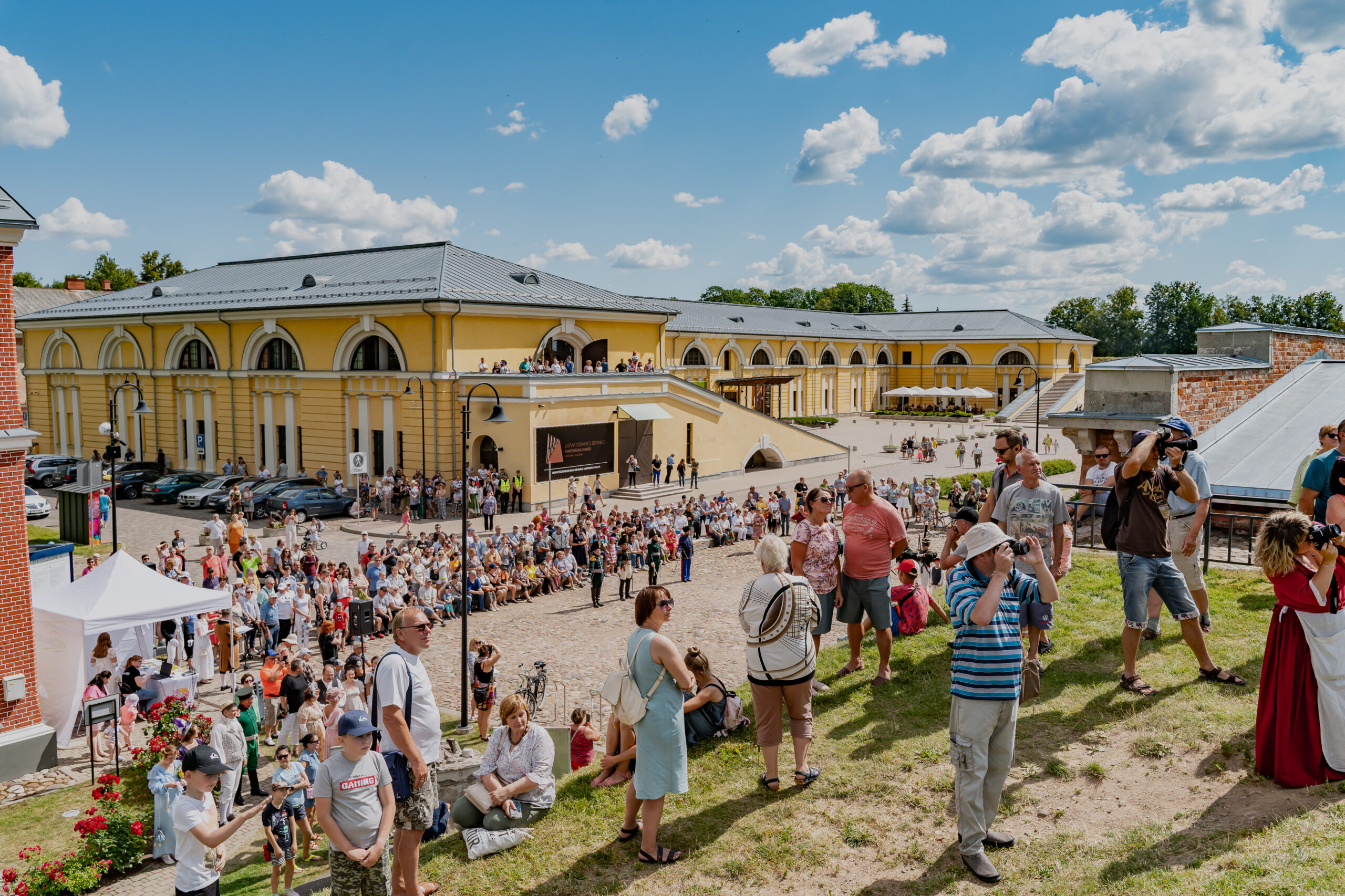
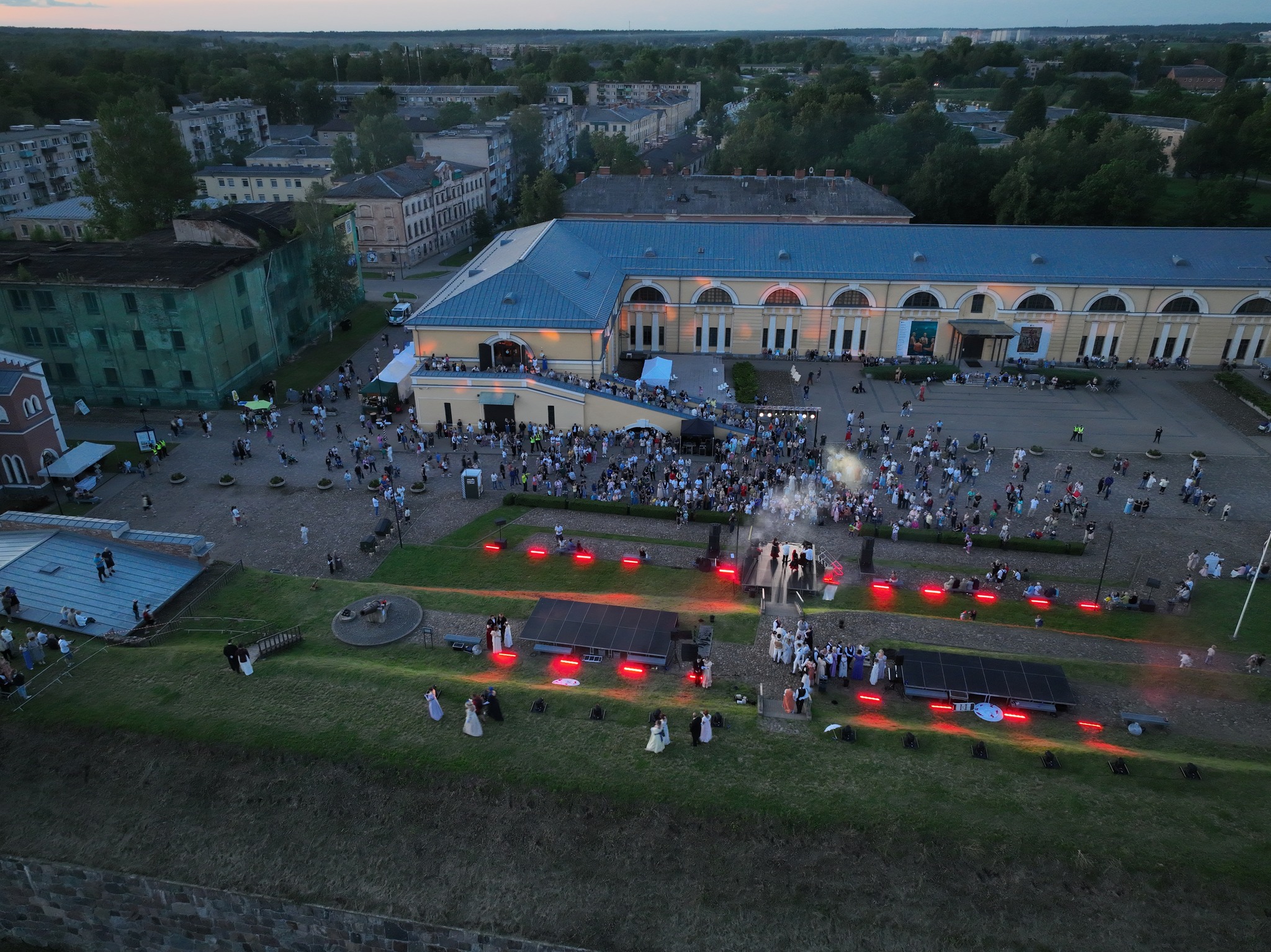
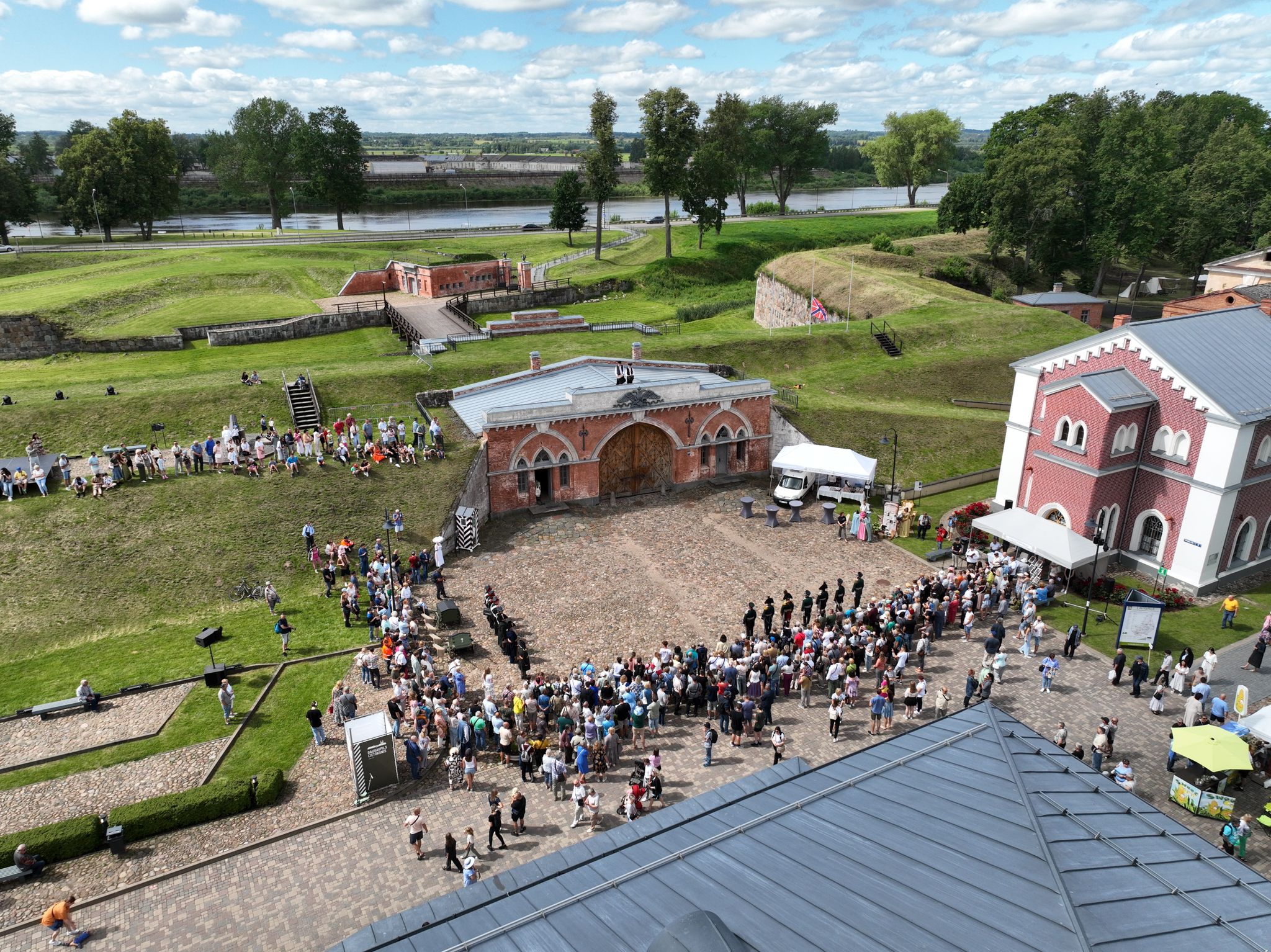
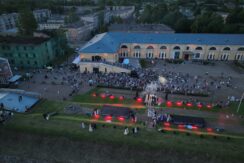
The fortress hosts a wide range of events at the city, national, and international level. Every year it hosts Museum Night as well as the European Heritage Days.
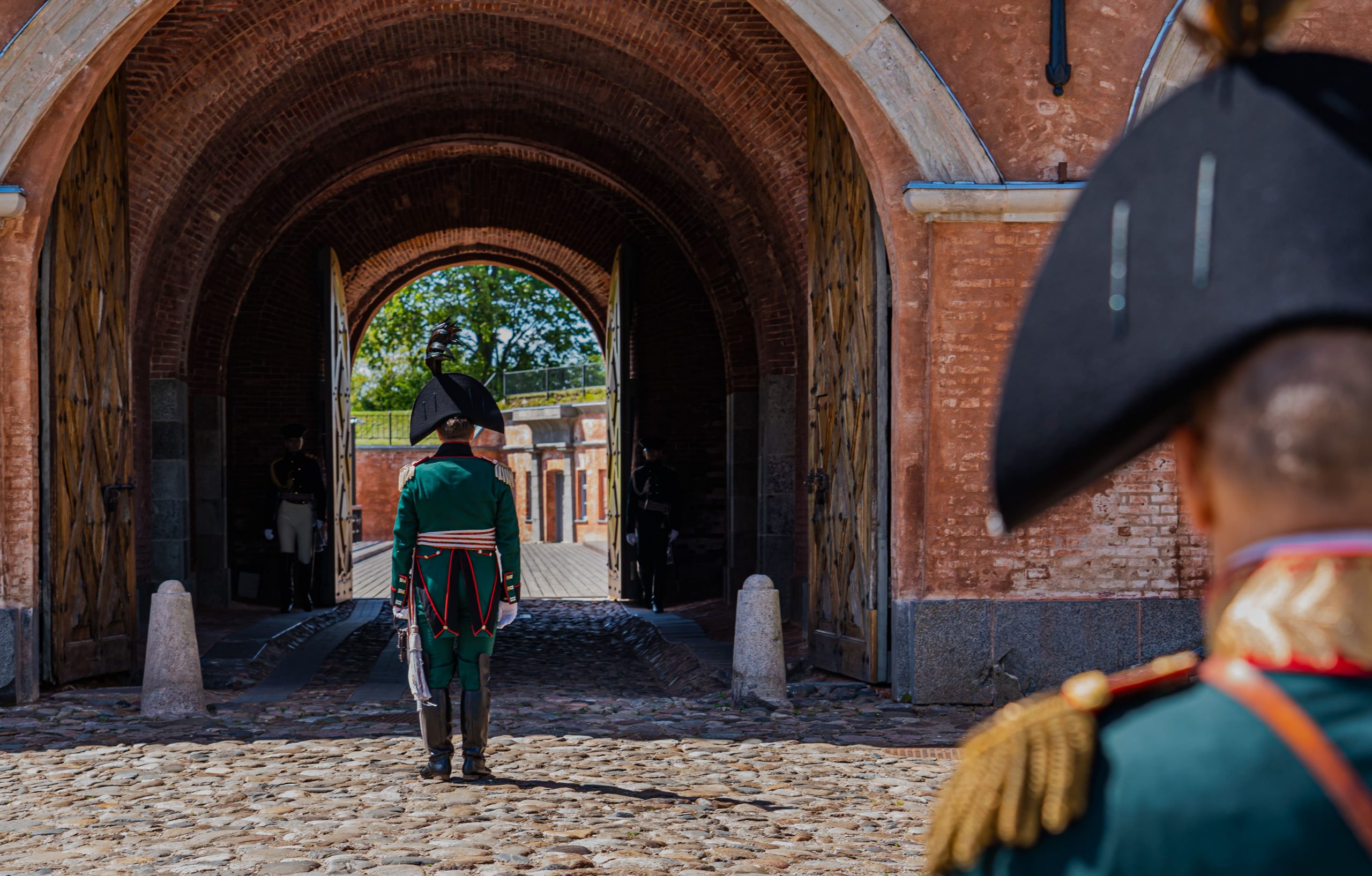
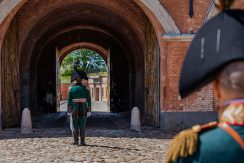
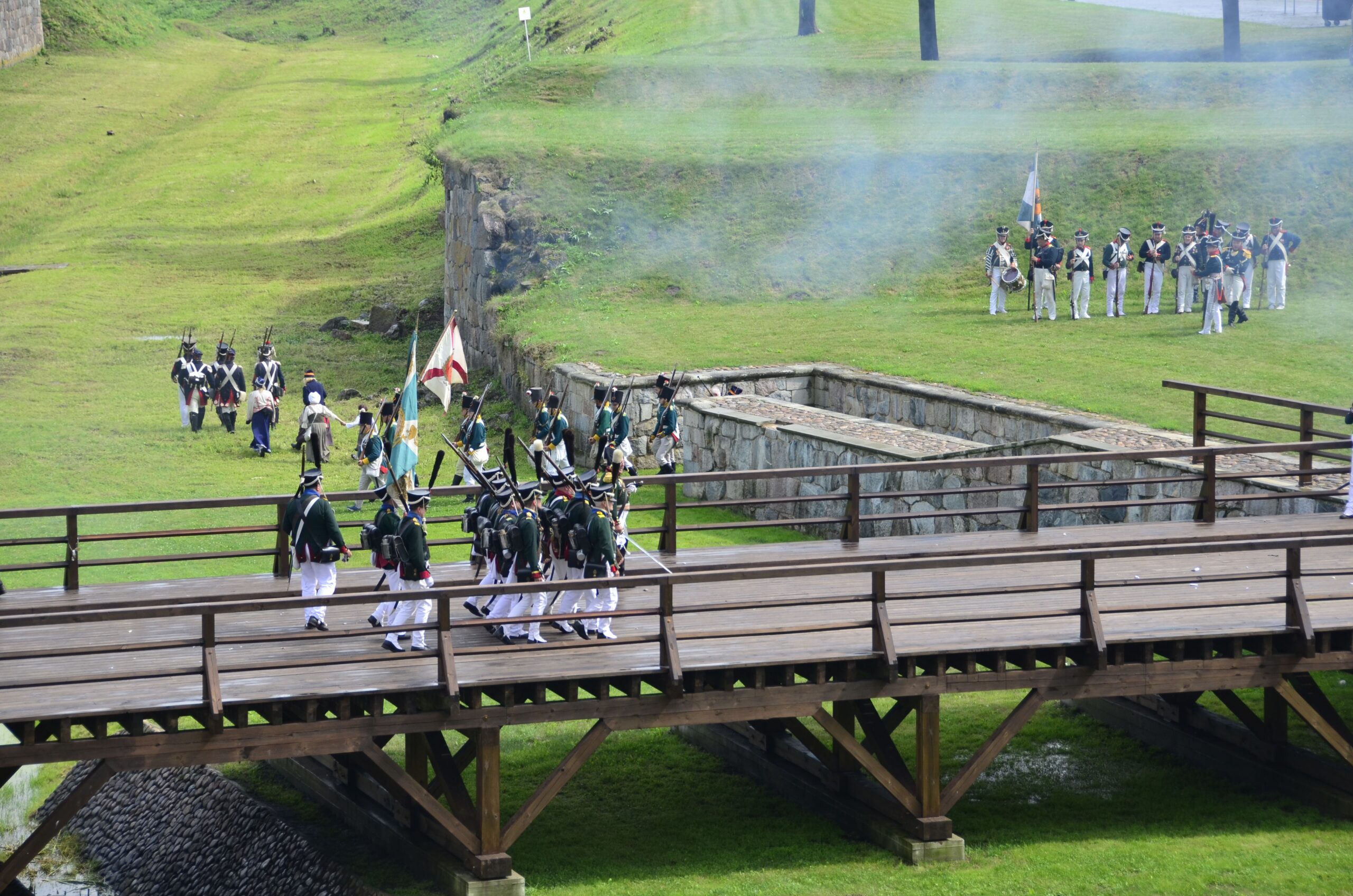
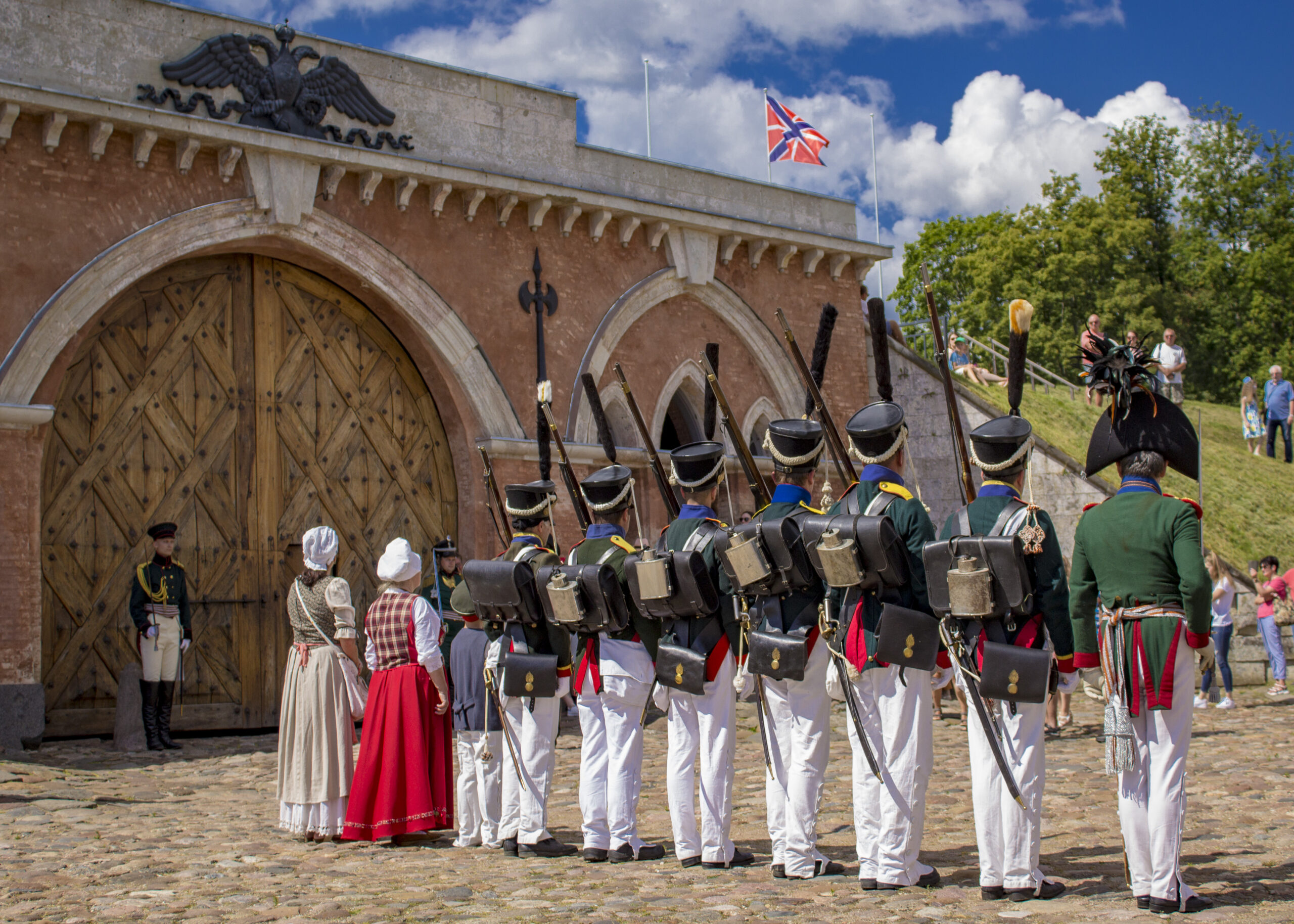
In 2015, a new tradition emerged in the fortress — the historical reenactment festival “Dinaburga 1812”. During this event, visitors can watch a reenactment of the 1812 events, when the French army advanced, and the fortress was bravely defended by Russian forces. In addition to the reenactment, the festival offers a wide range of activities for guests of all ages — both children and adults.
At the Fortress Visitor Centre, you can learn about its history and development, discover upcoming improvement projects for the area, and find information about future events. The centre also features an exhibition dedicated to the fortress, as well as maps and other tourist materials available for visitors.
During the active tourist season, the guardhouse building is also open to visitors.
In 2024, Daugavpils Fortress joined the Association of Latvian Castles and Manors.
In 2025, the fortress became a member of the European cultural network of fortified heritage “FORTE CULTURA”, as well as the European Federation of Fortified Sites “EFFORTS”.

Useful materials:
Map of Daugavpils Fortress
Daugavpils Fortress. Heritage. Tourism. Culture
Informative booklet: real estate in Daugavpils Fortress