




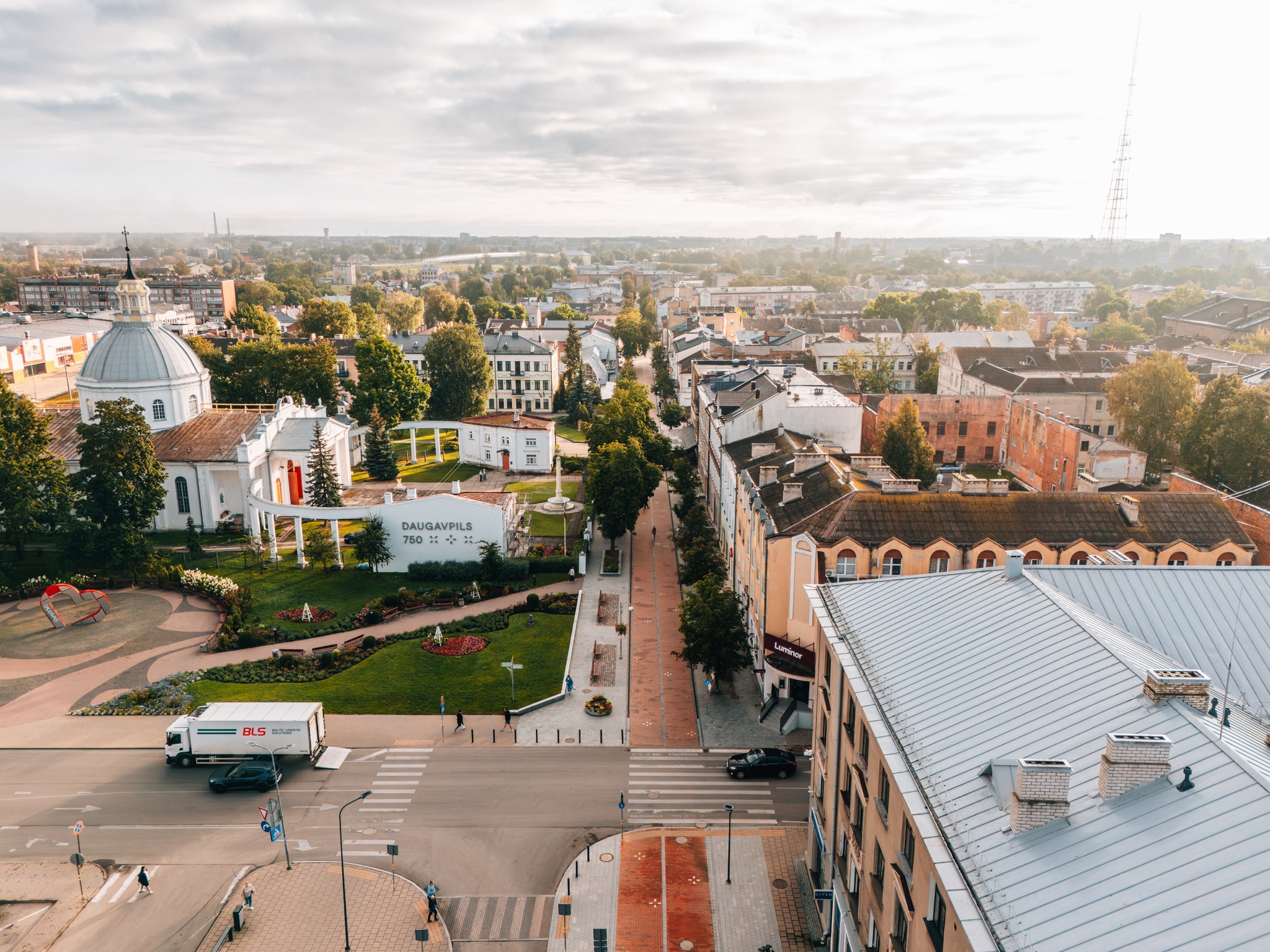
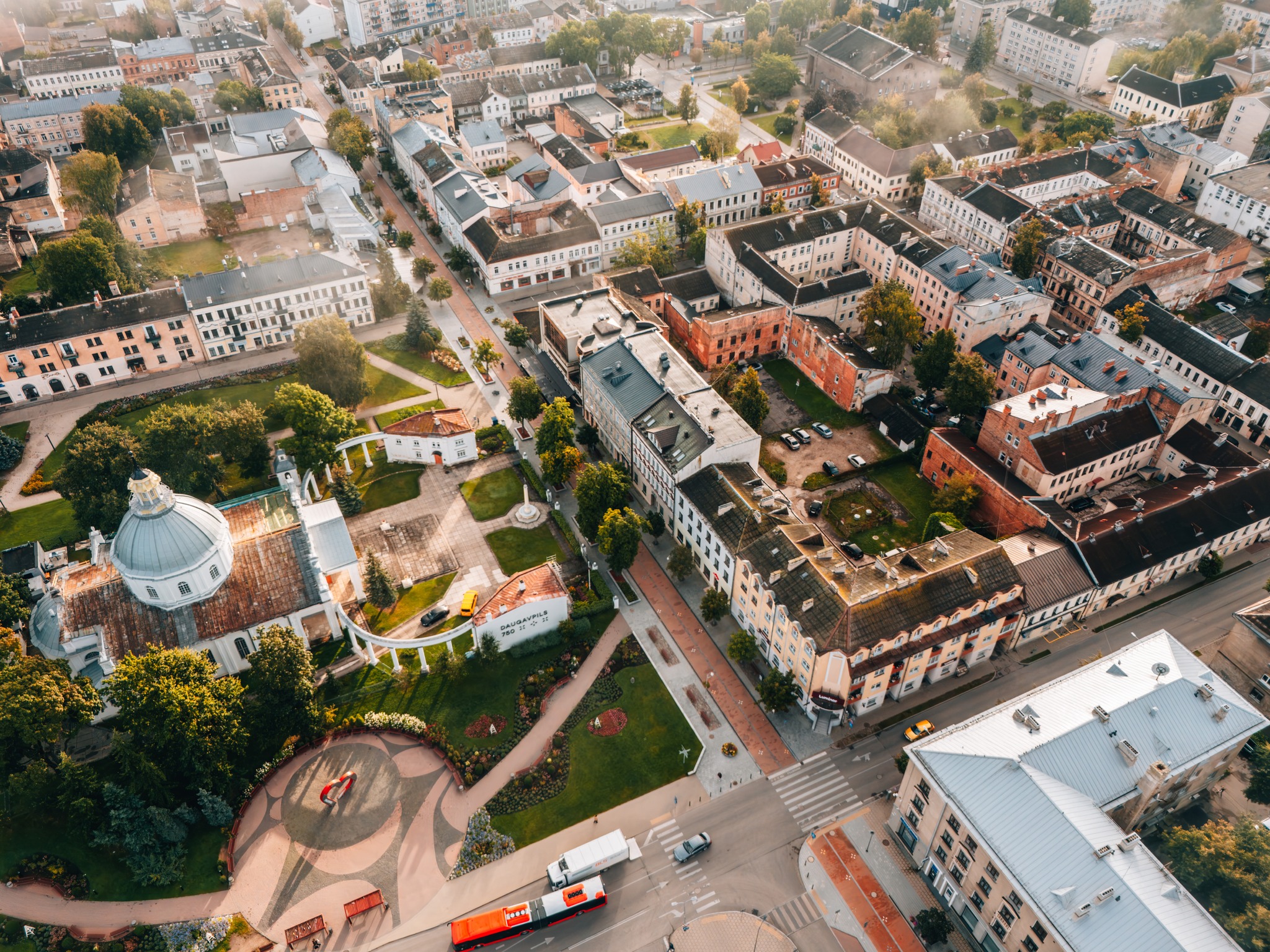
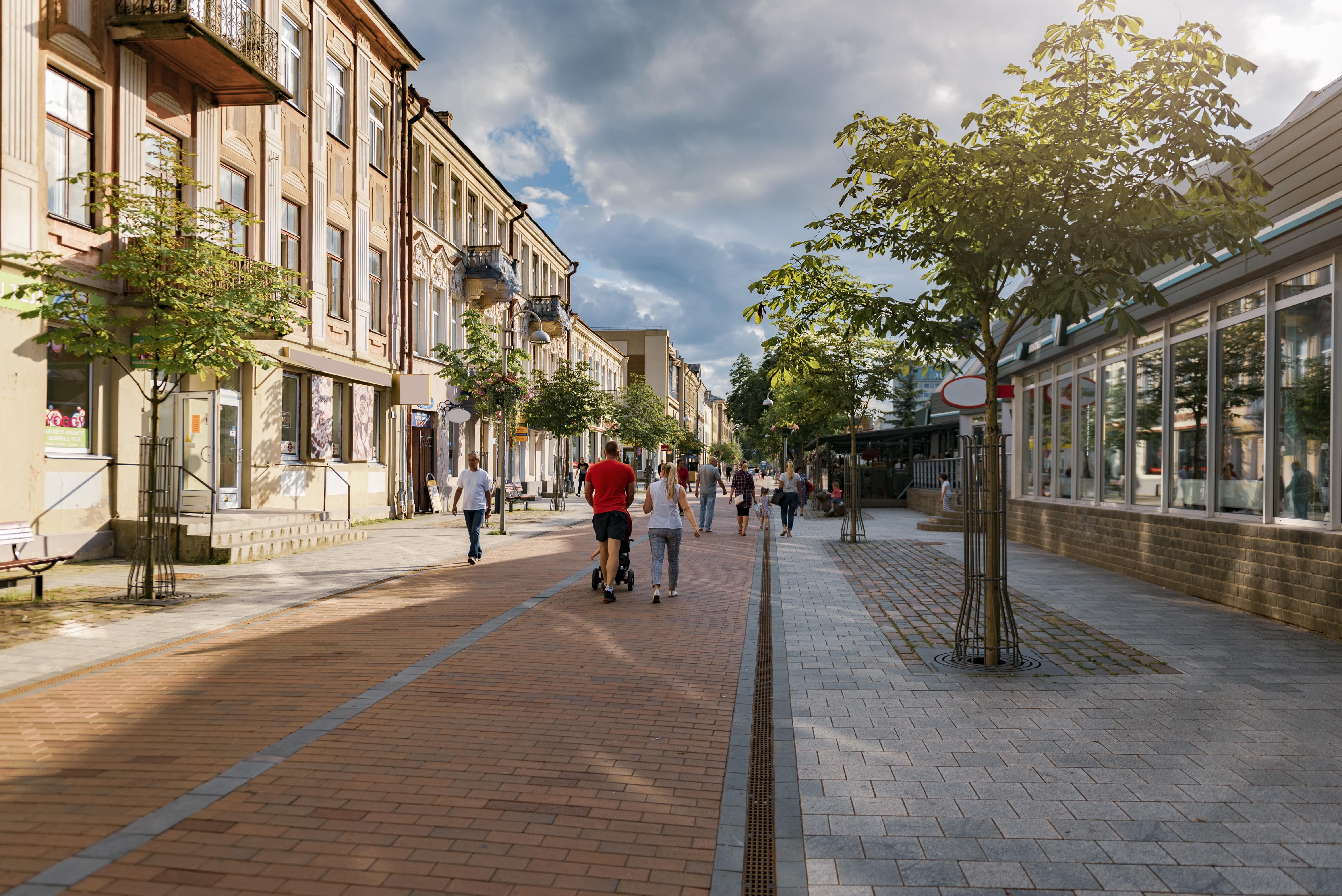
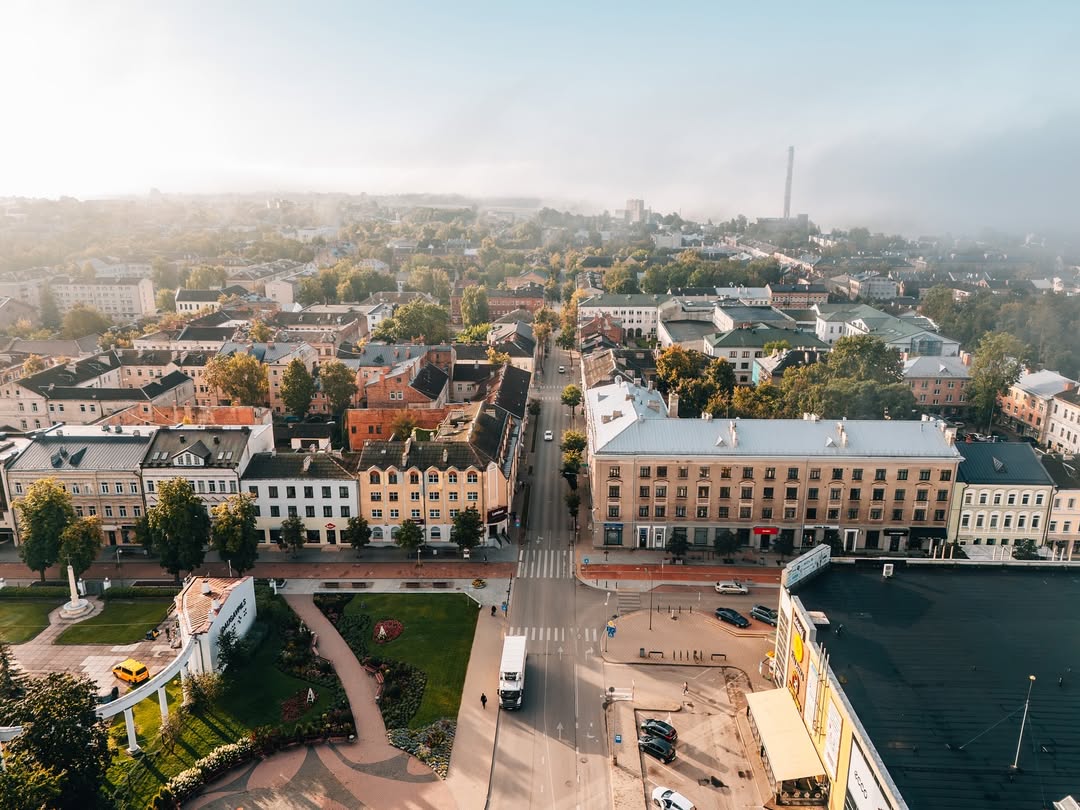

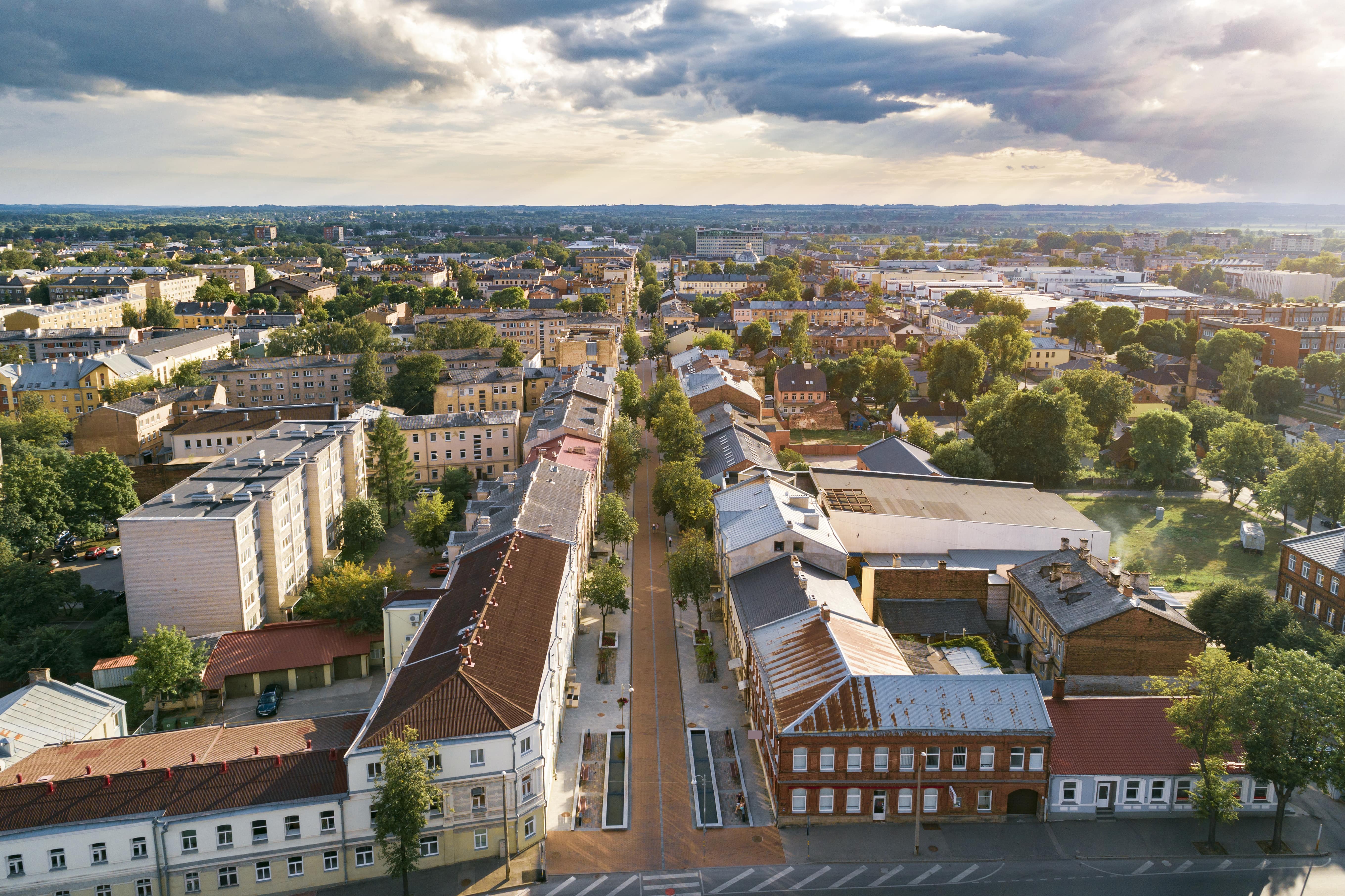
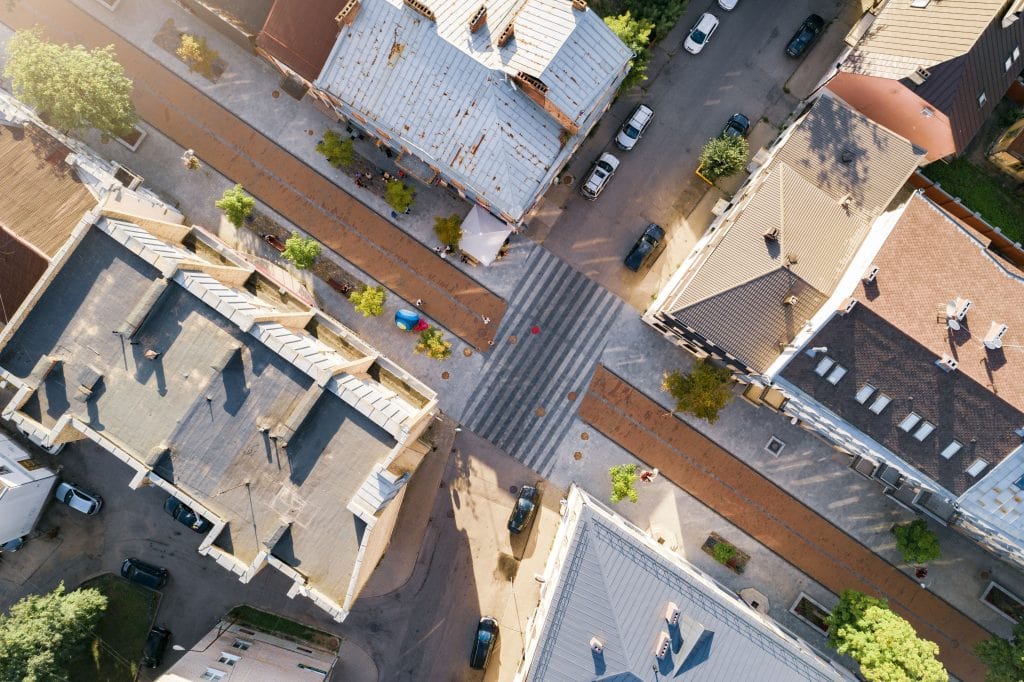
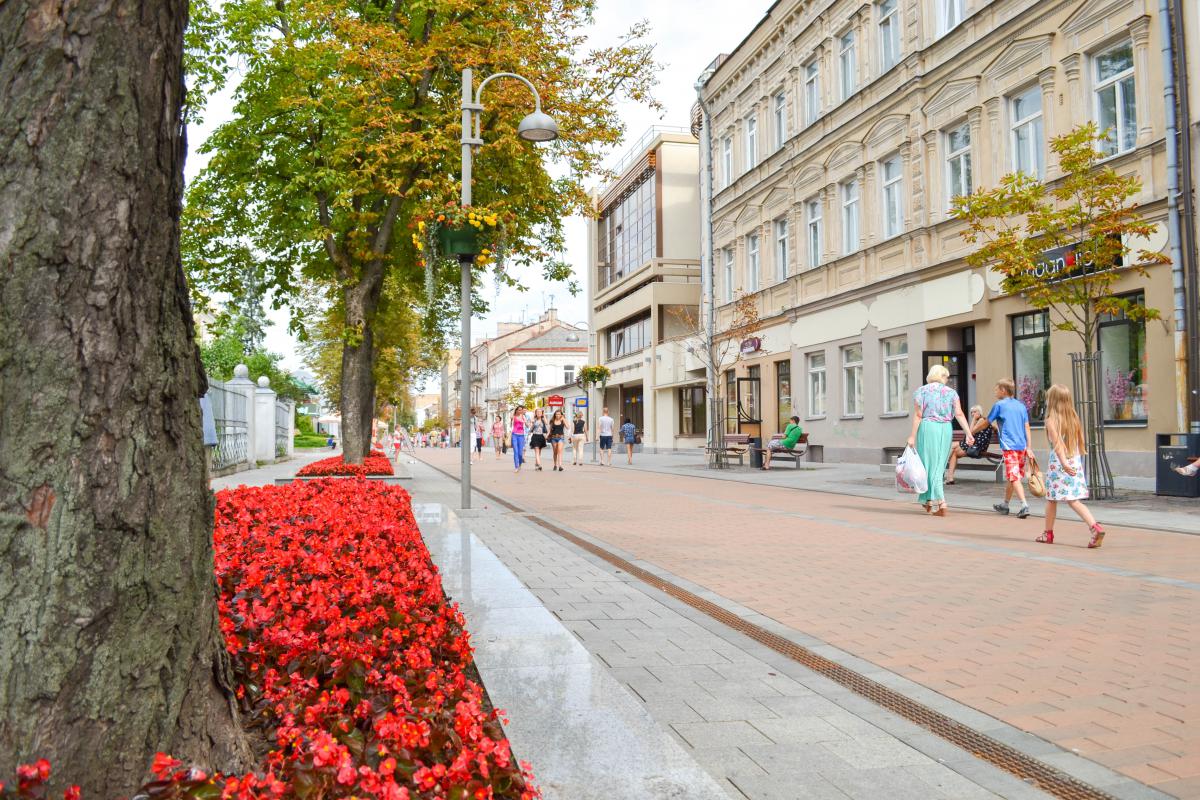
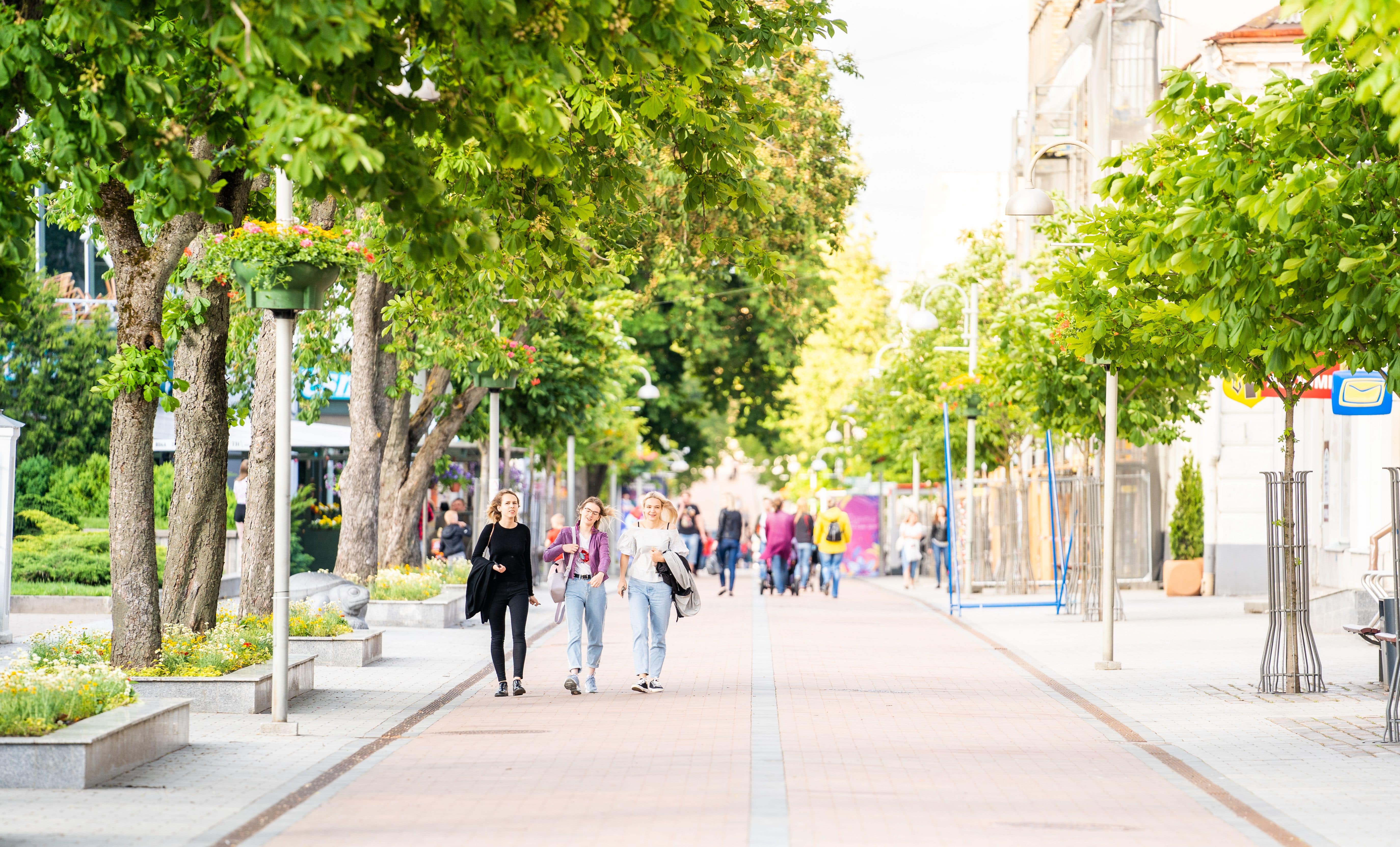
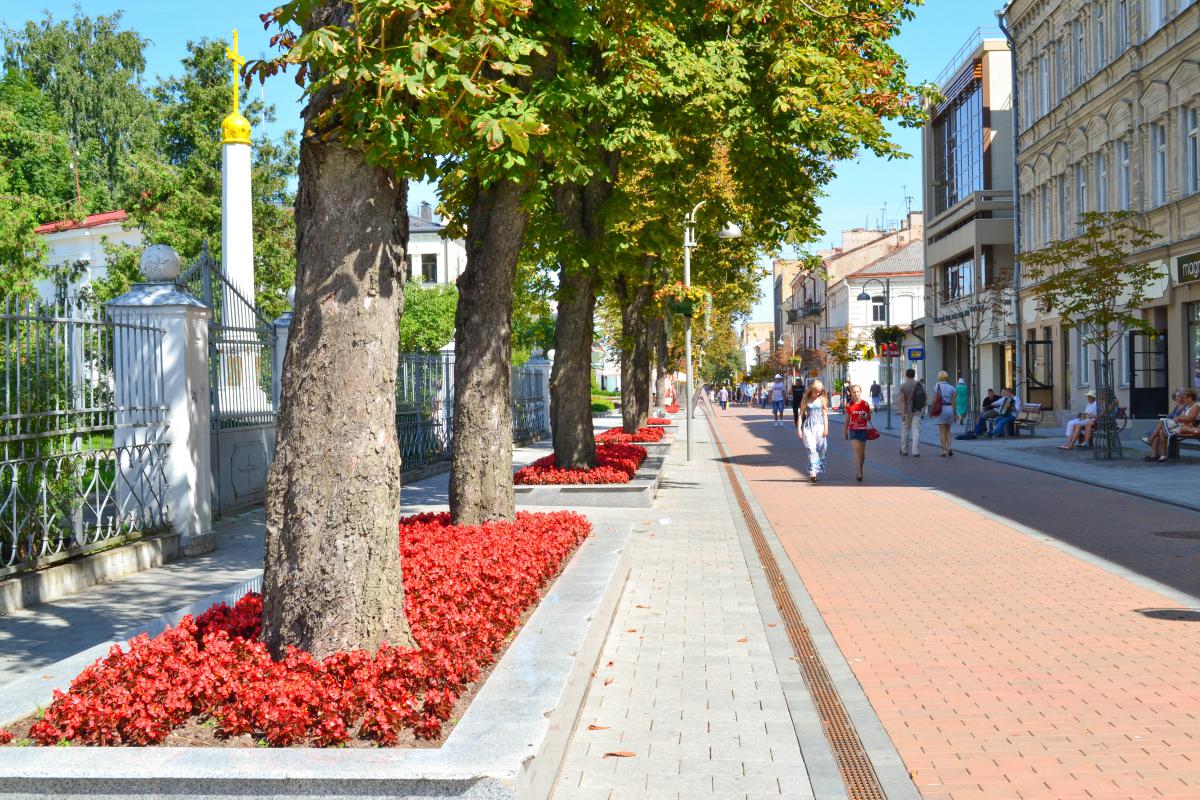
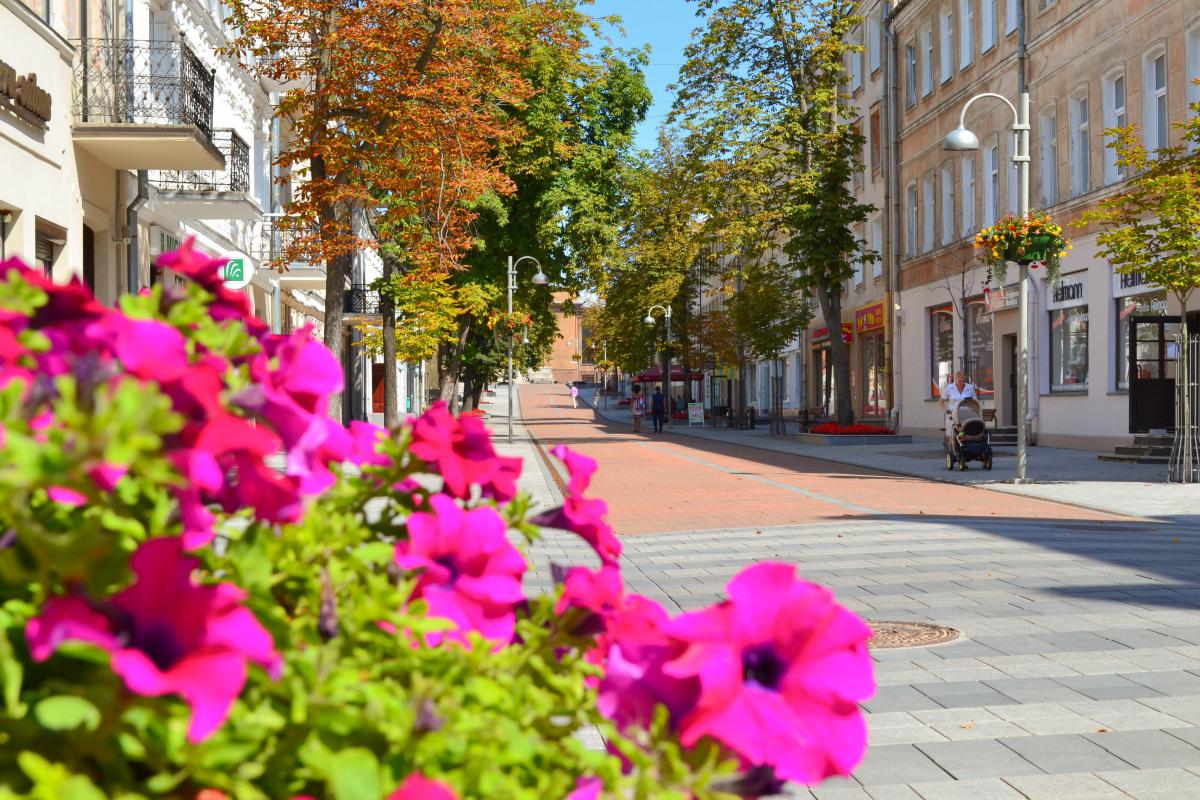


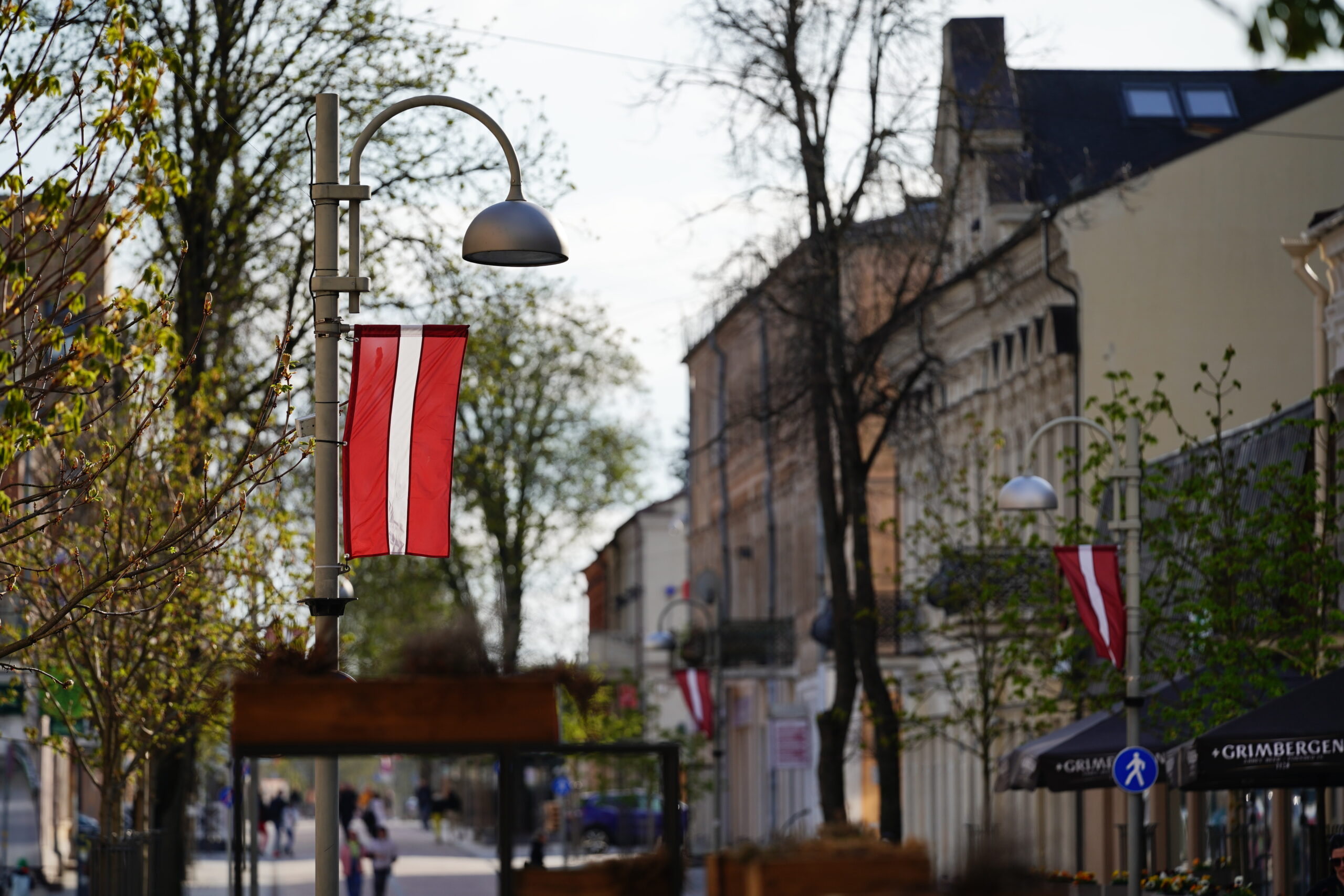





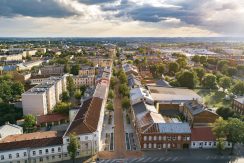


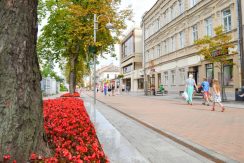
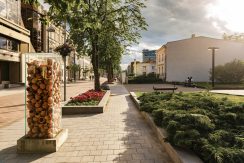
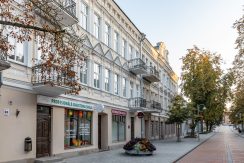

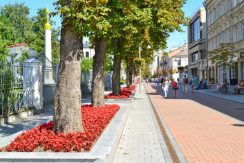

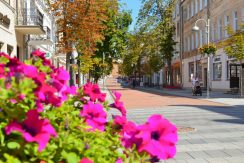


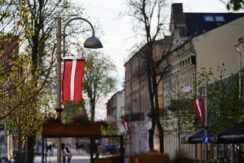
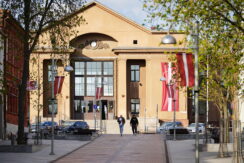


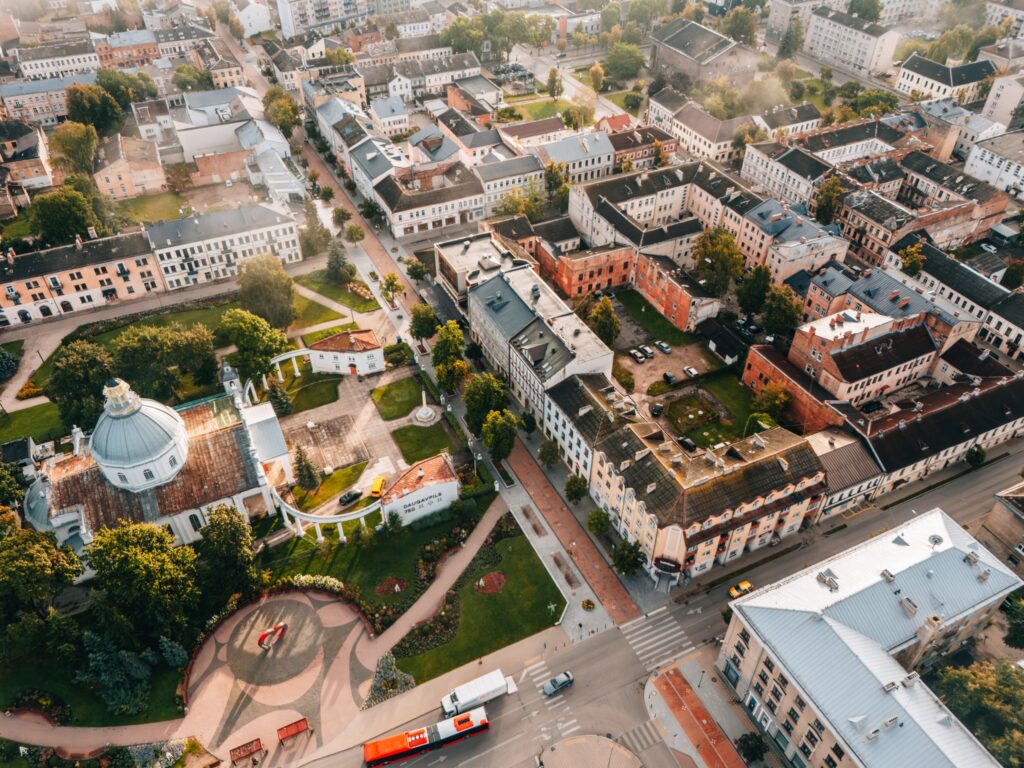
Daugavpils was one of the first cities in Latvia to transform Rīgas Street—more than half a kilometre long—into a pedestrian street in the late 1970s. The street connects the railway station with the Daugava River, where an arch under the embankment opens the way to the waterfront.
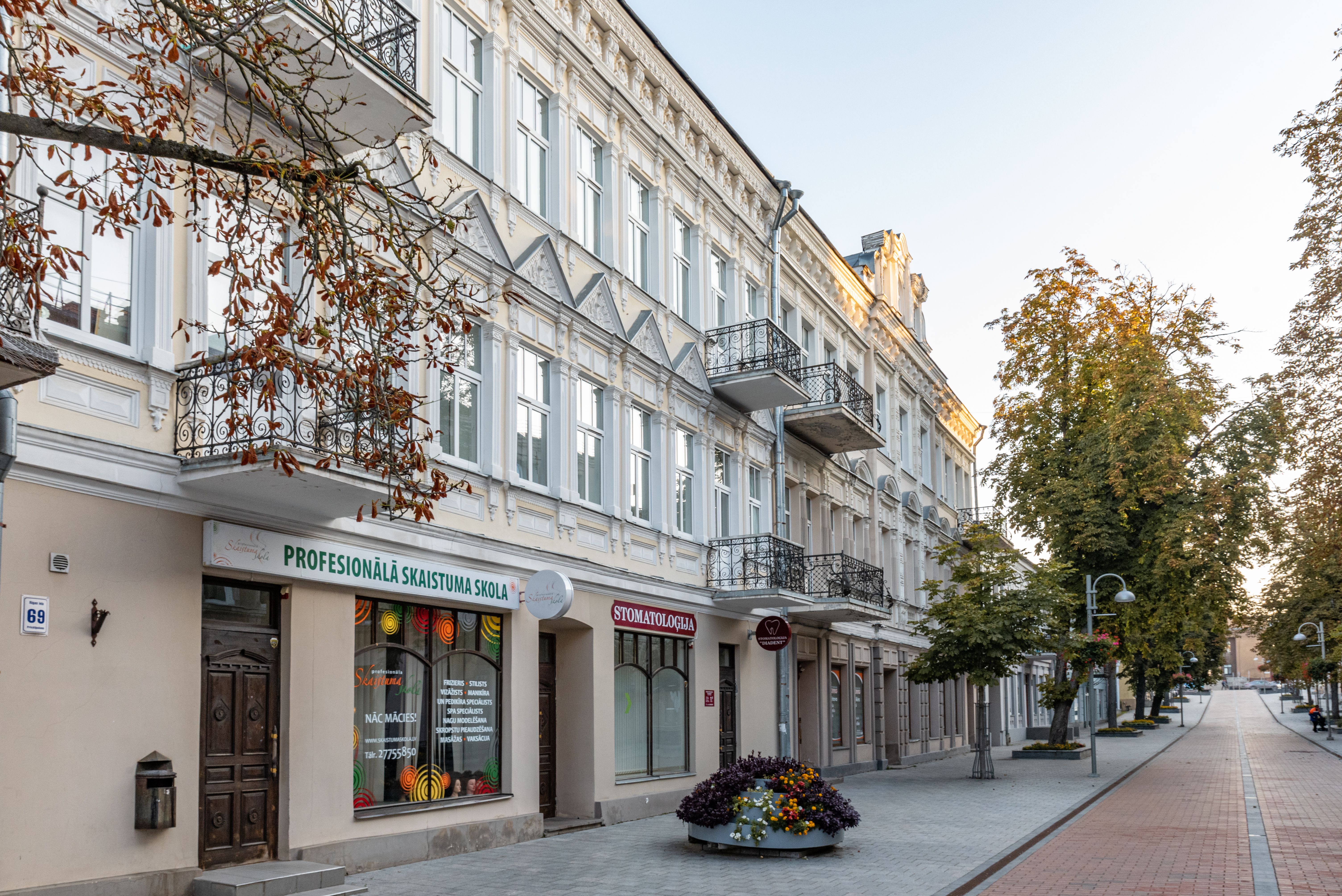
In 2009, the reconstruction of Rīgas Street was completed, giving the city a striking example of a harmonious blend of historical heritage and modern design. During a leisurely walk, visitors can admire the elegant building façades, enjoy shopping, and relax over a good meal.
Several notable buildings and landmarks are located on Rīgas Street:
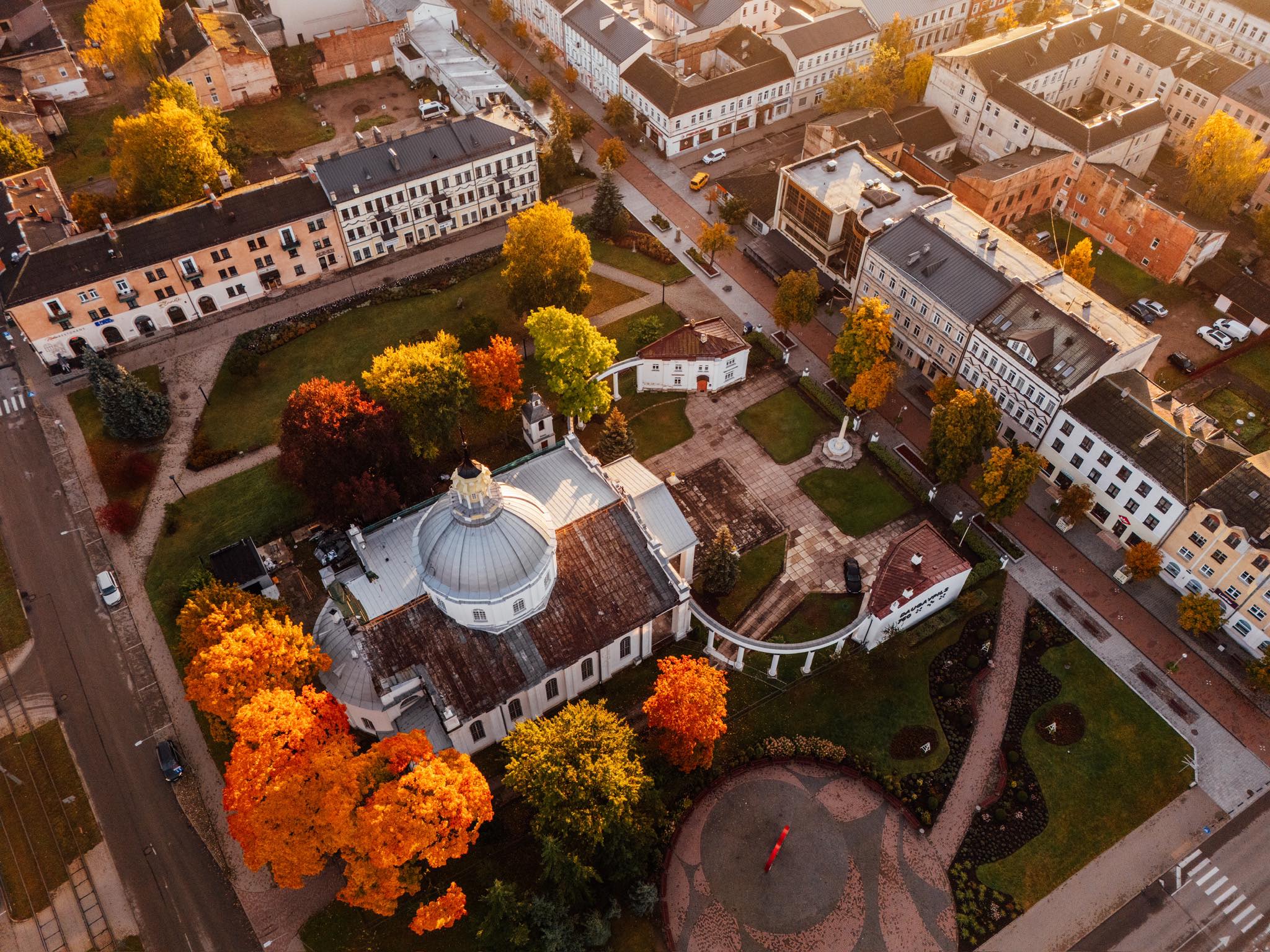
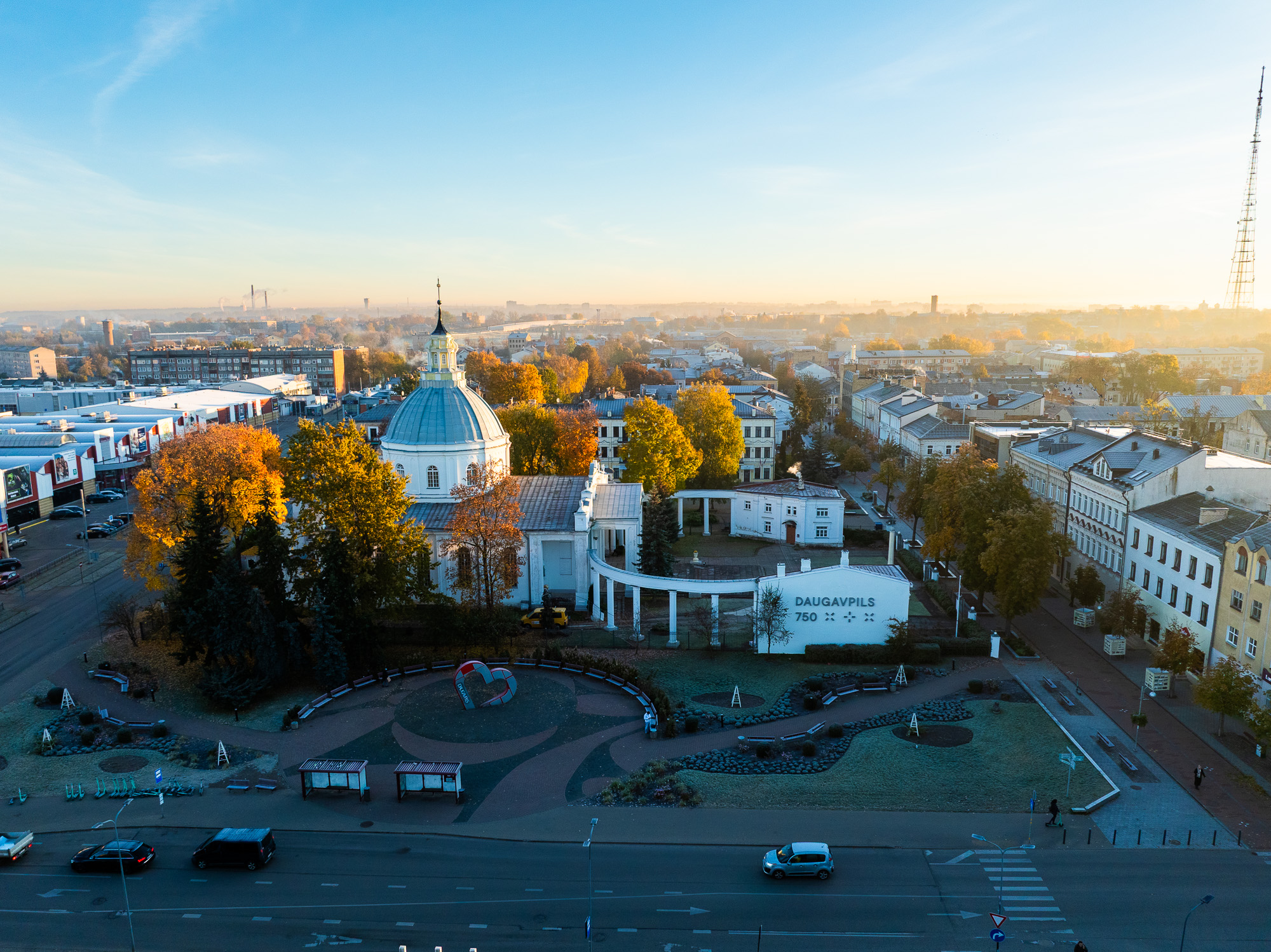
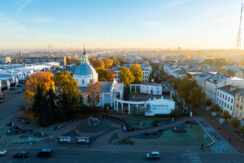
- Saint Peter’s in Chains Roman Catholic Church, built in 1848–1849 and reconstructed in 1924–1934. The architecture of the church features elements of Classicism, and its appearance resembles St. Peter’s Basilica in the Vatican.
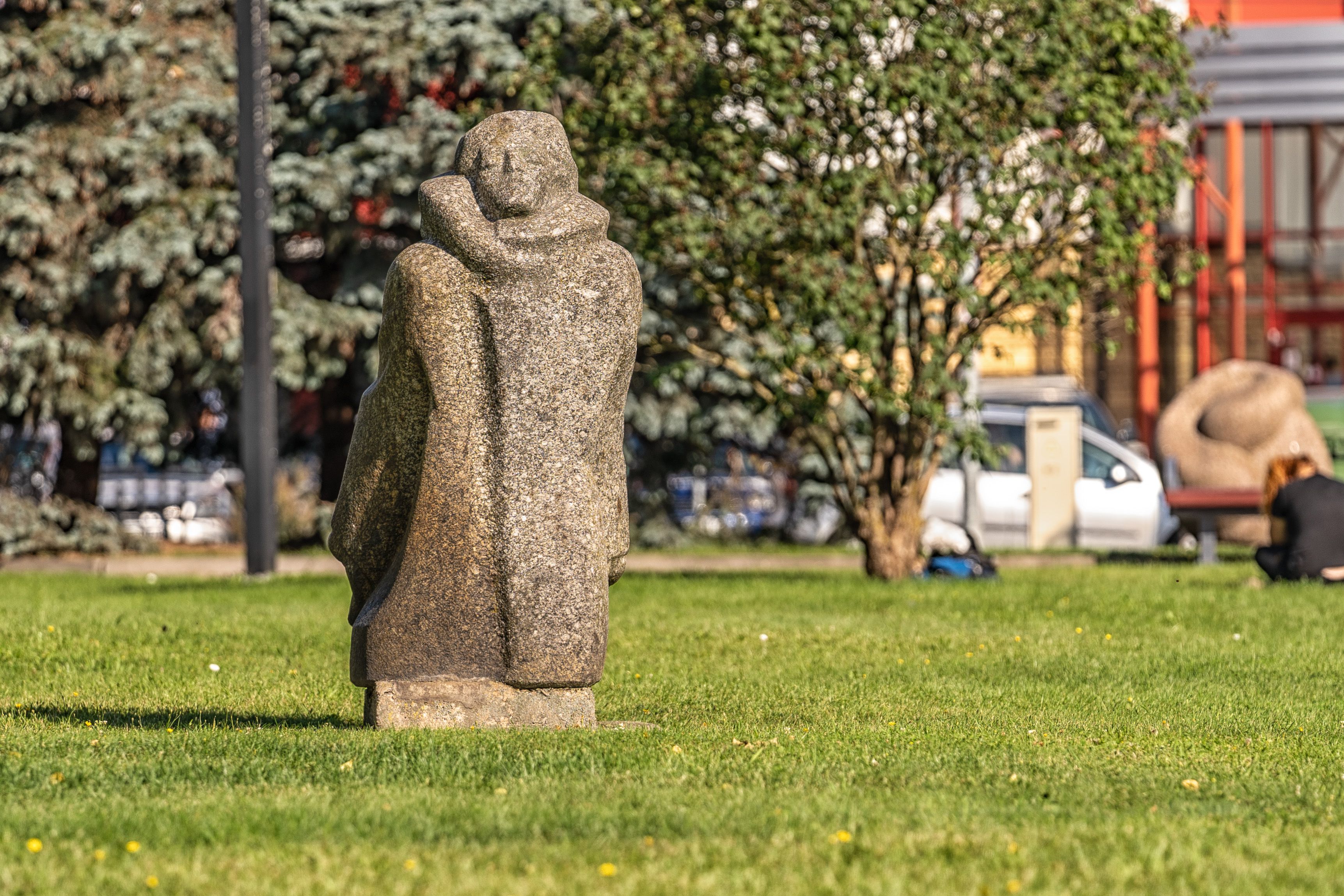
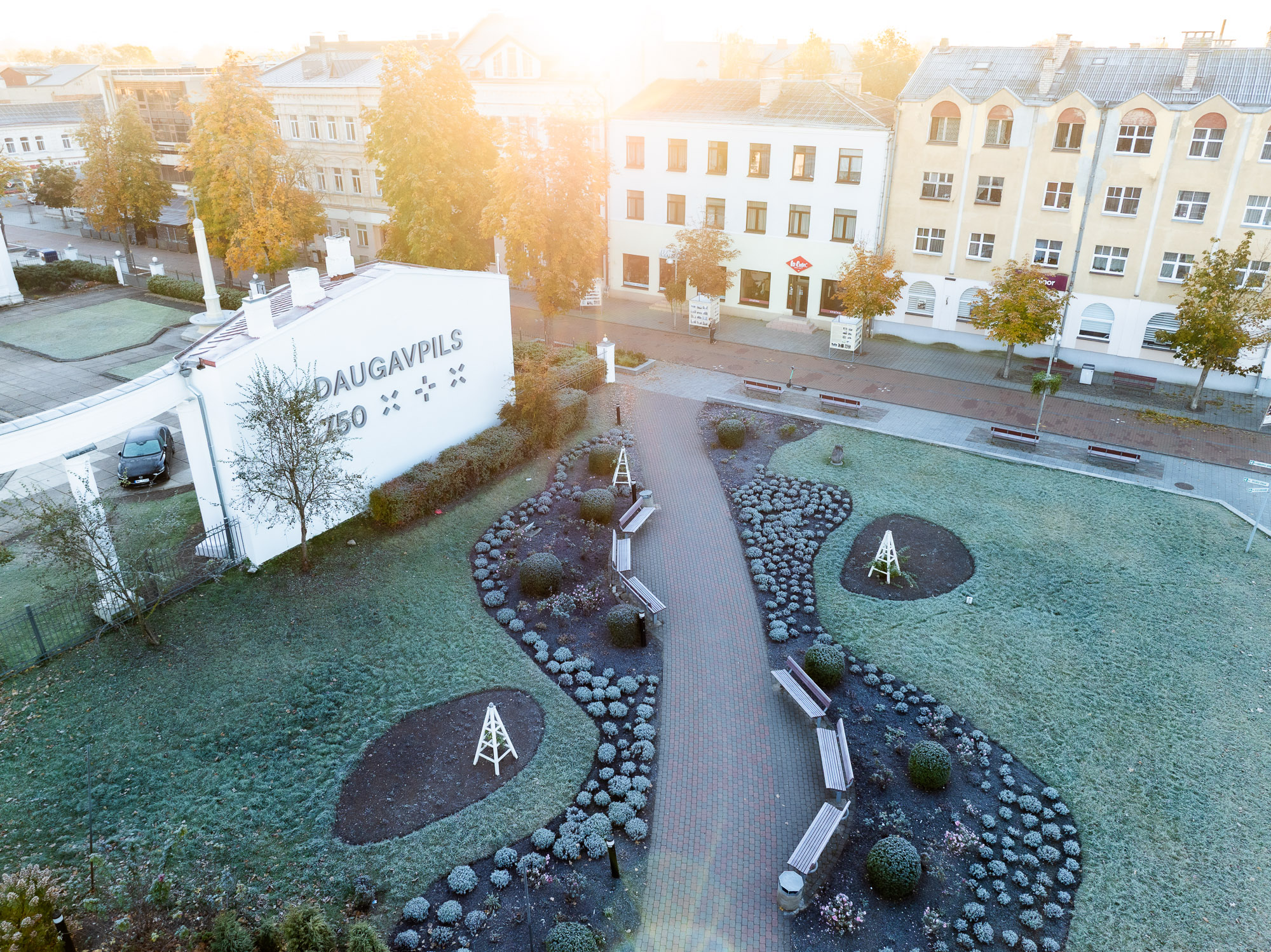
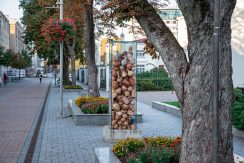
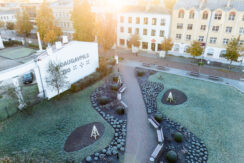
- The Sculpture Garden.
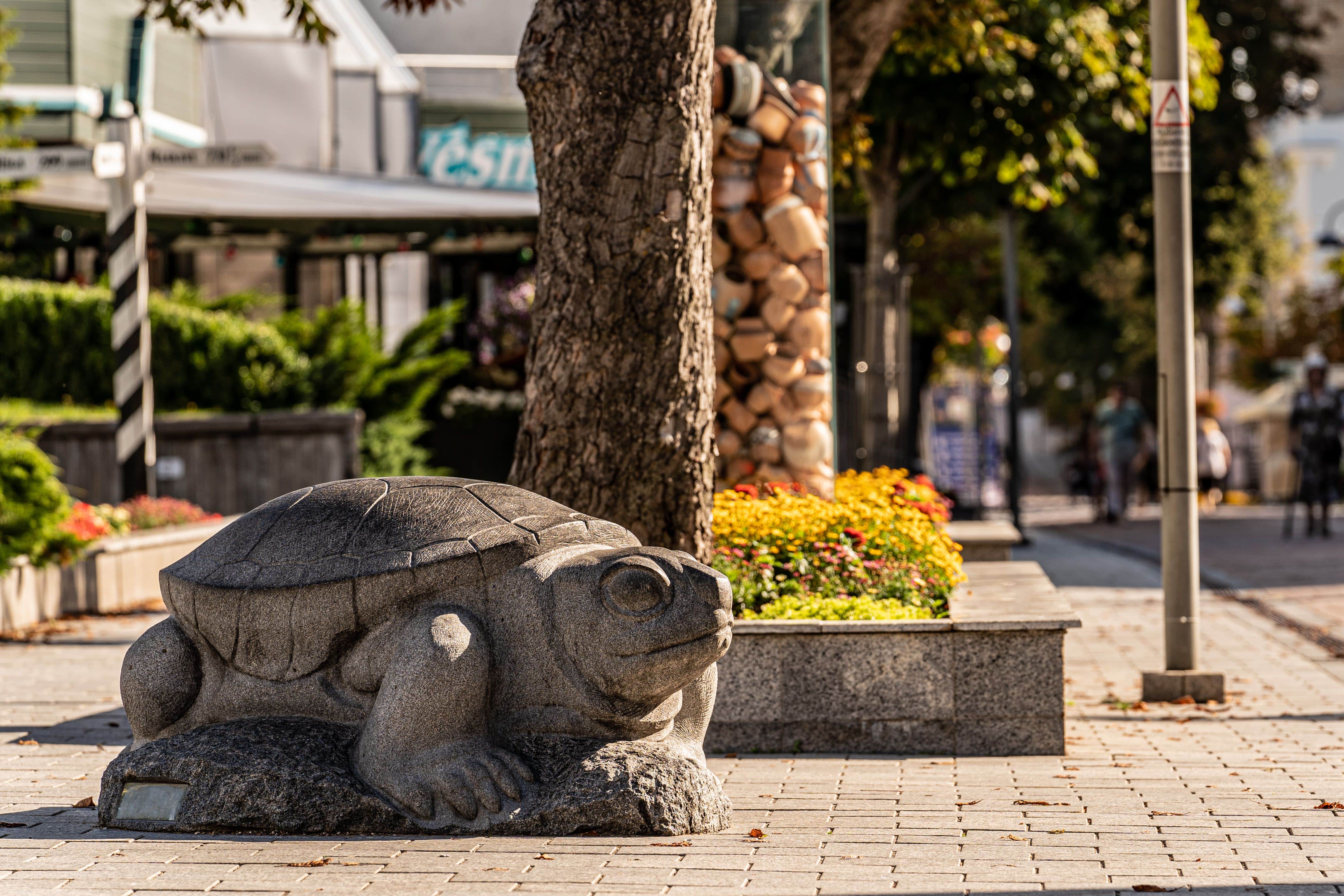
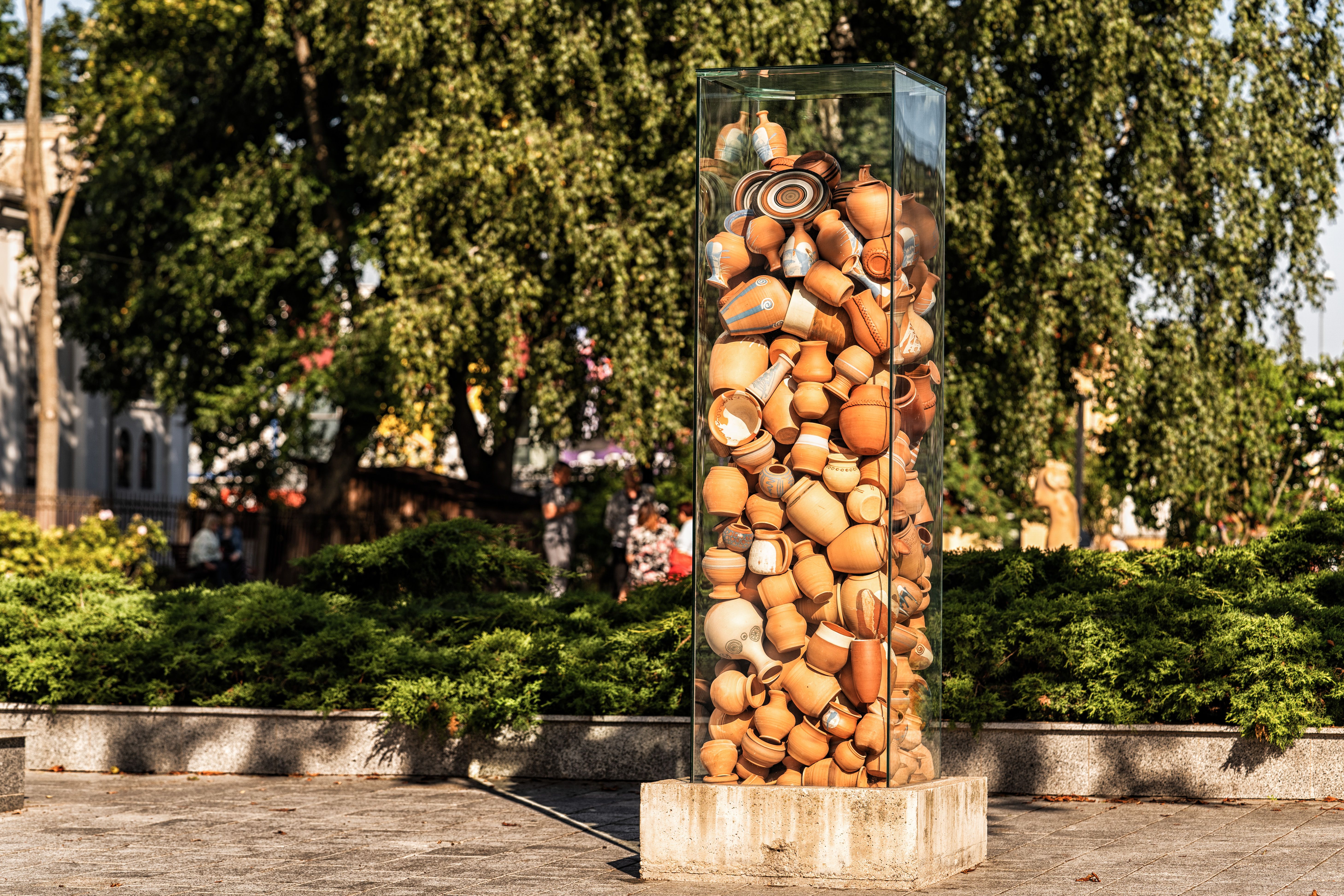
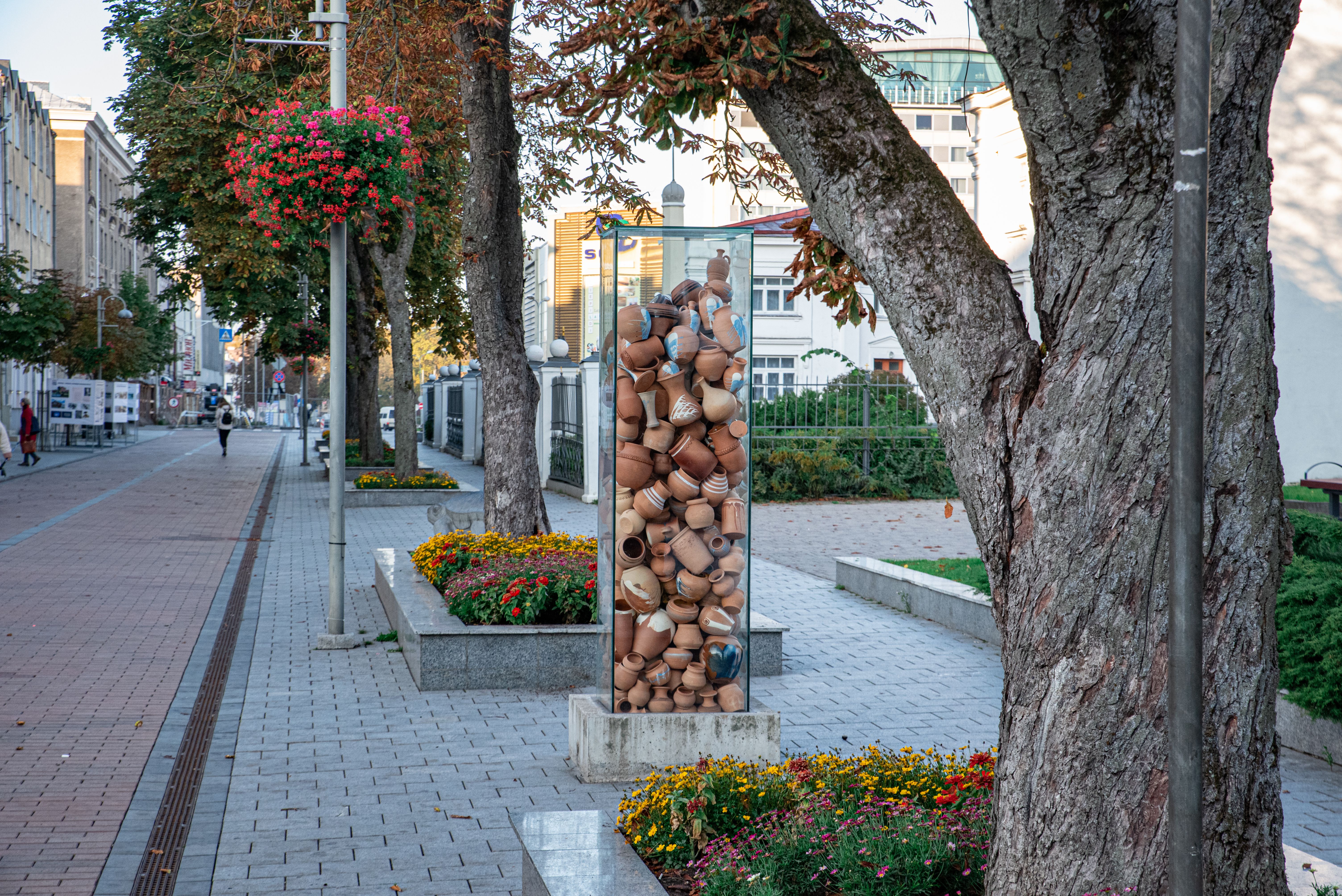
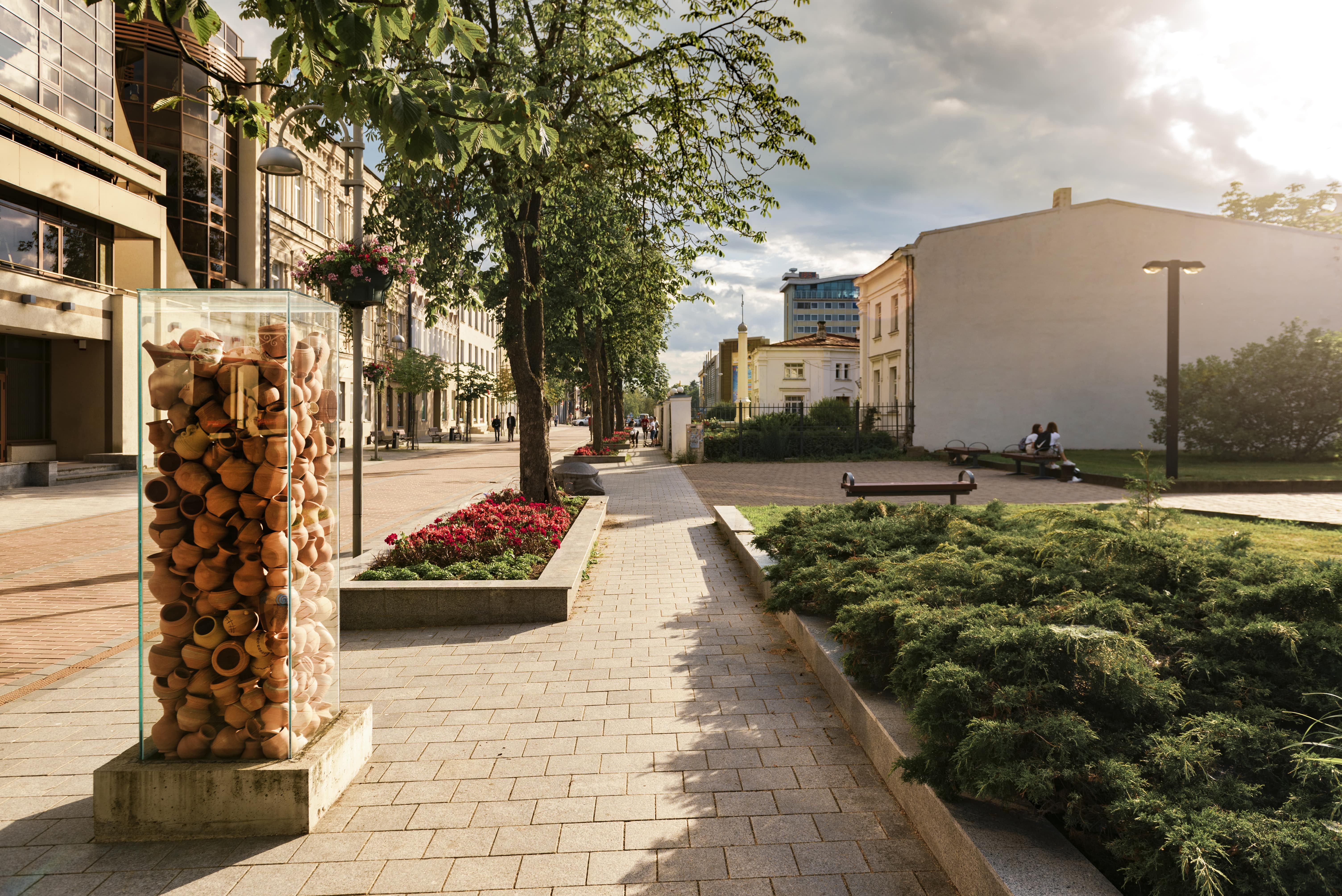
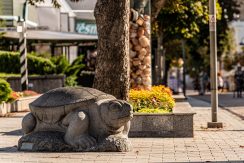
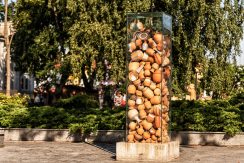
- Not far from the Sculpture Garden and the Saint Peter’s in Chains Roman Catholic Church stands the sculpture of a marsh turtle (sculptor Ivo Folkmanis, 2009), as well as the only sculpture in Latvia dedicated to Latgalian ceramics. Rīgas Street is also adorned with the beloved cat sculpture, which has become a popular symbol of the city.
- At the intersection of Mihoelsa and Rīgas Streets, a metal bat sculpture is mounted on a lamppost — an unusual and eye‑catching element of the urban environment.
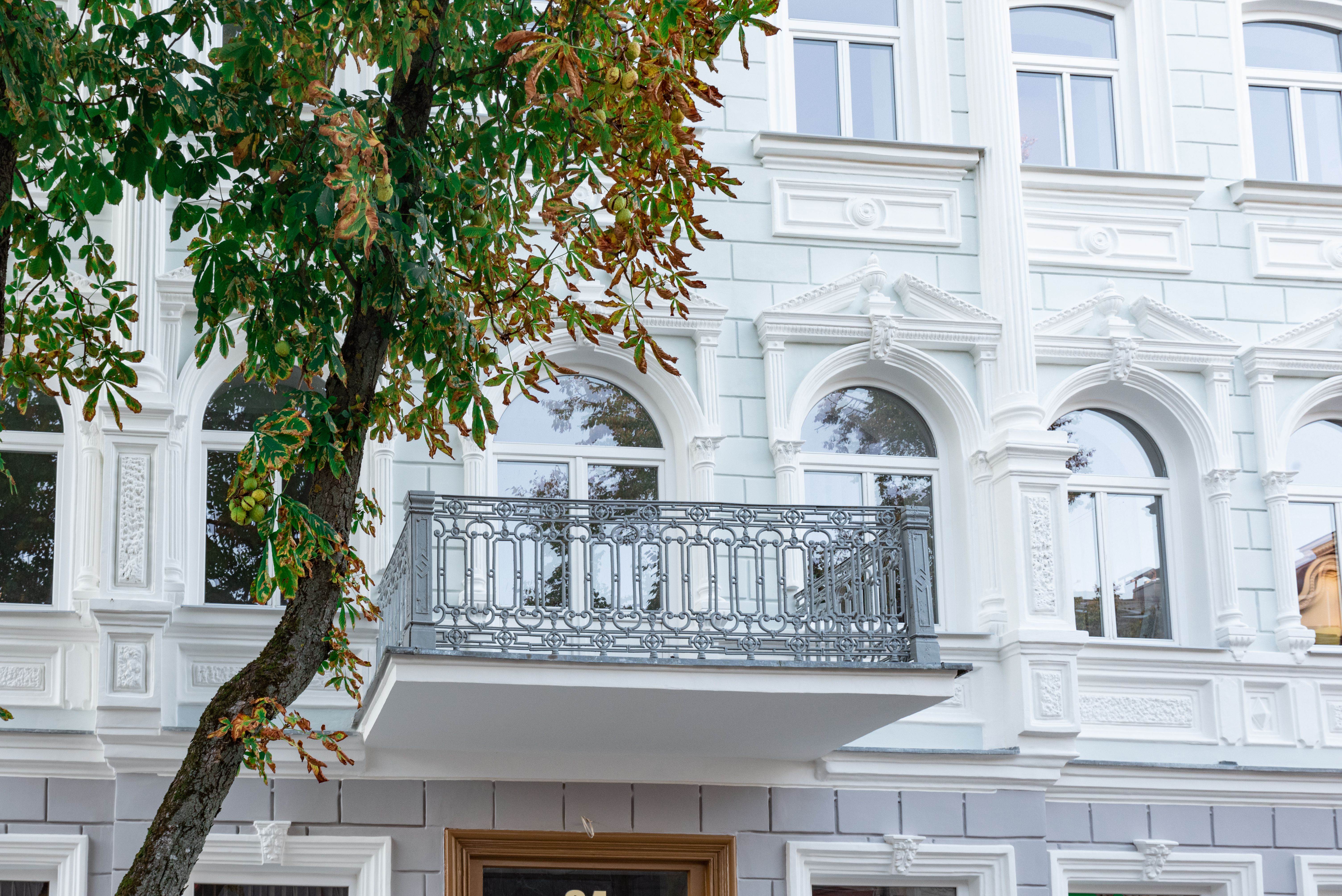
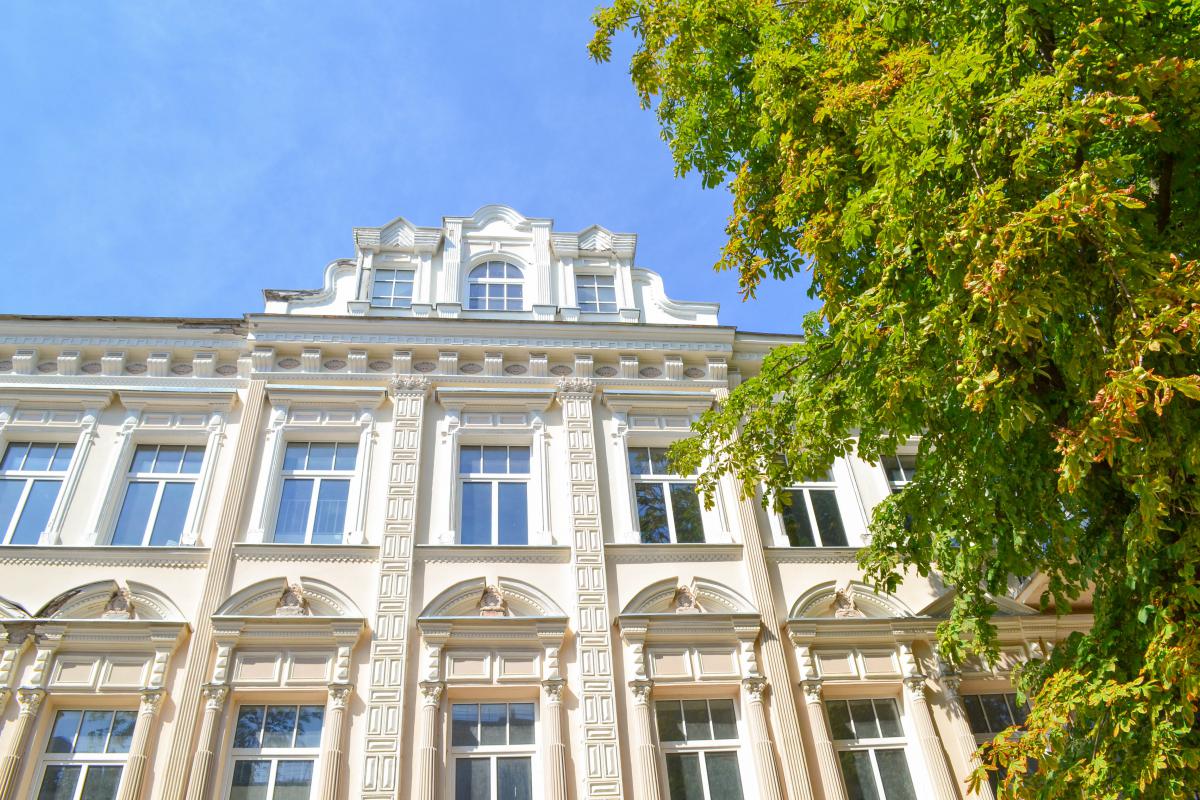
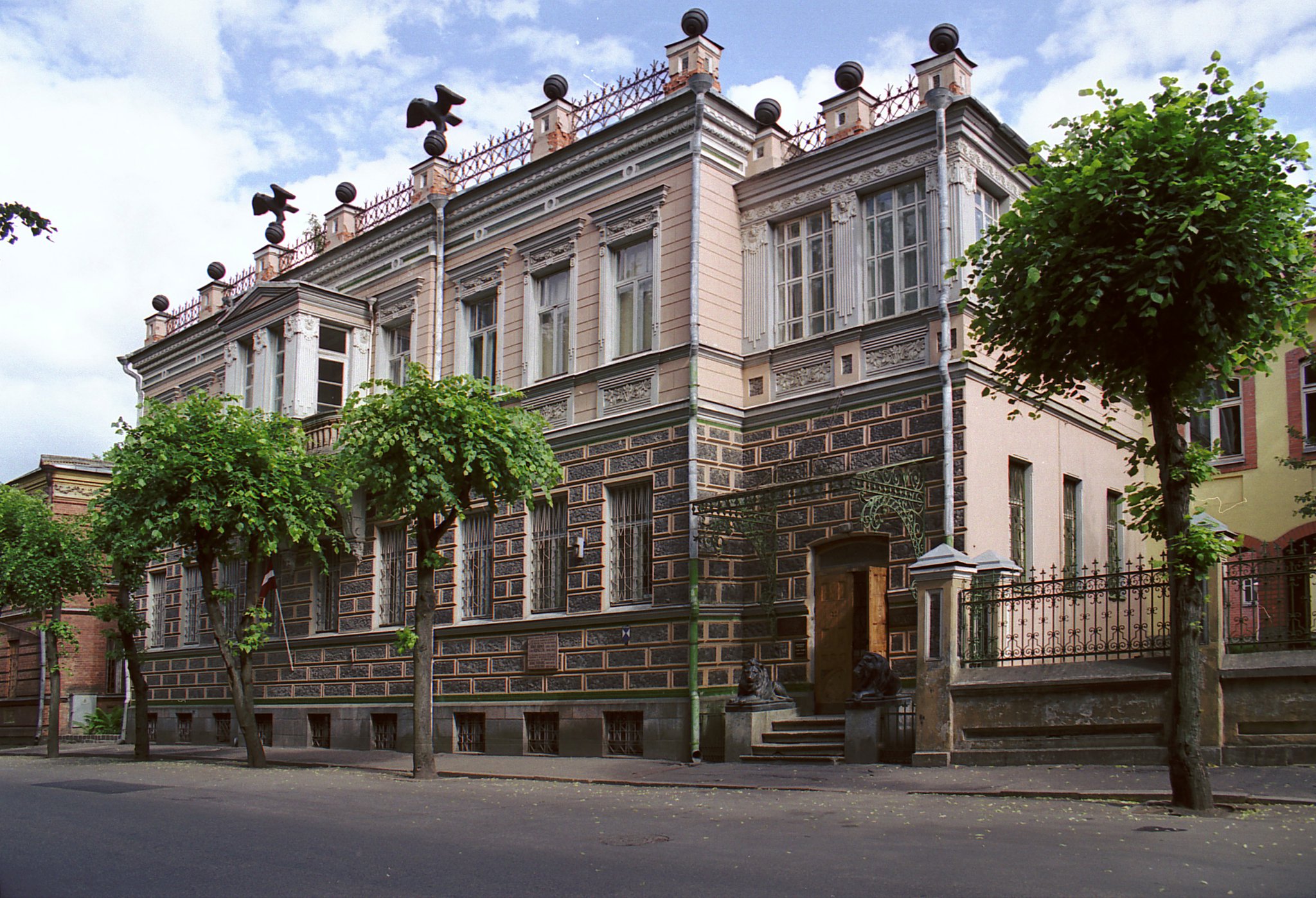
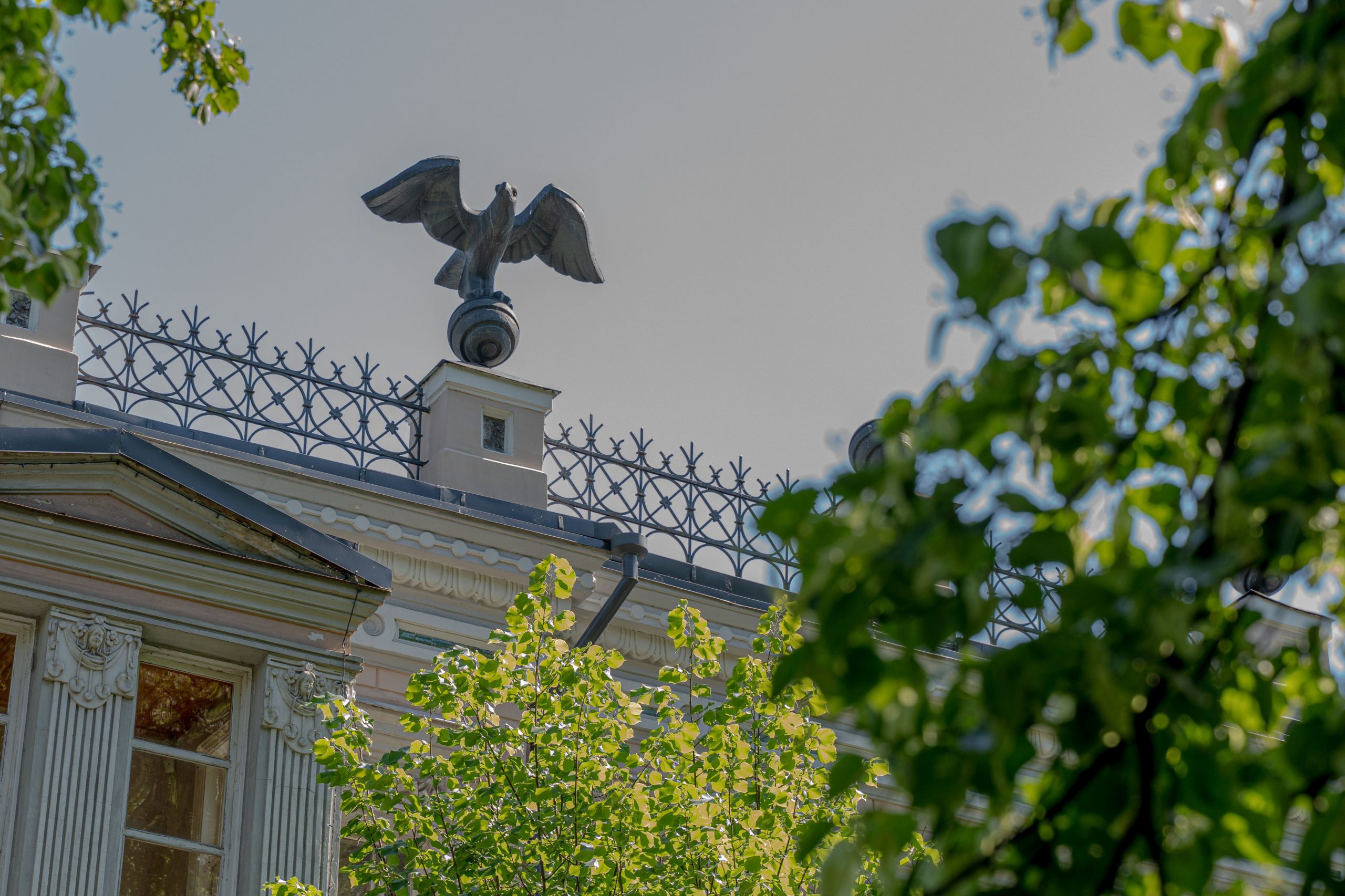
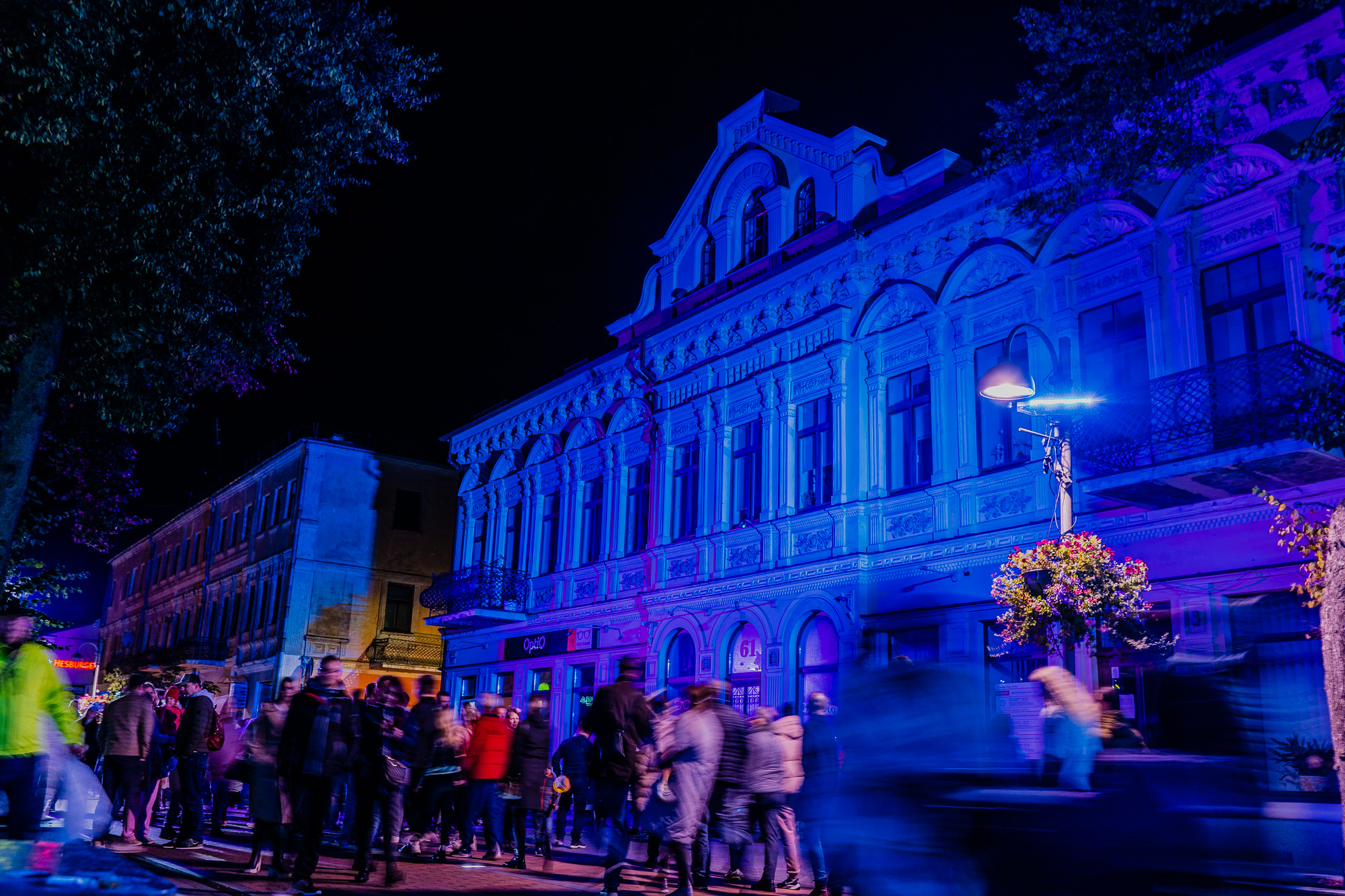
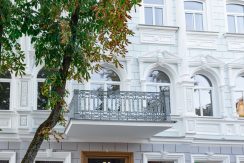
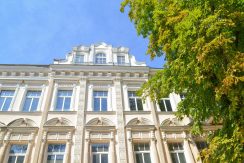
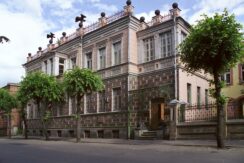
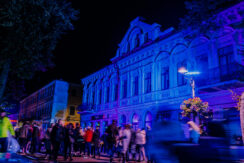
- A particularly majestic building is located at Rīgas Street 61 (1860), one of the most striking examples of eclecticism, distinguished by its richly decorated façade.
- The Daugavpils Railway Station, built in 1951.
- At the end of the street, opposite the railway station, a decorative cascade of water pools has been installed.
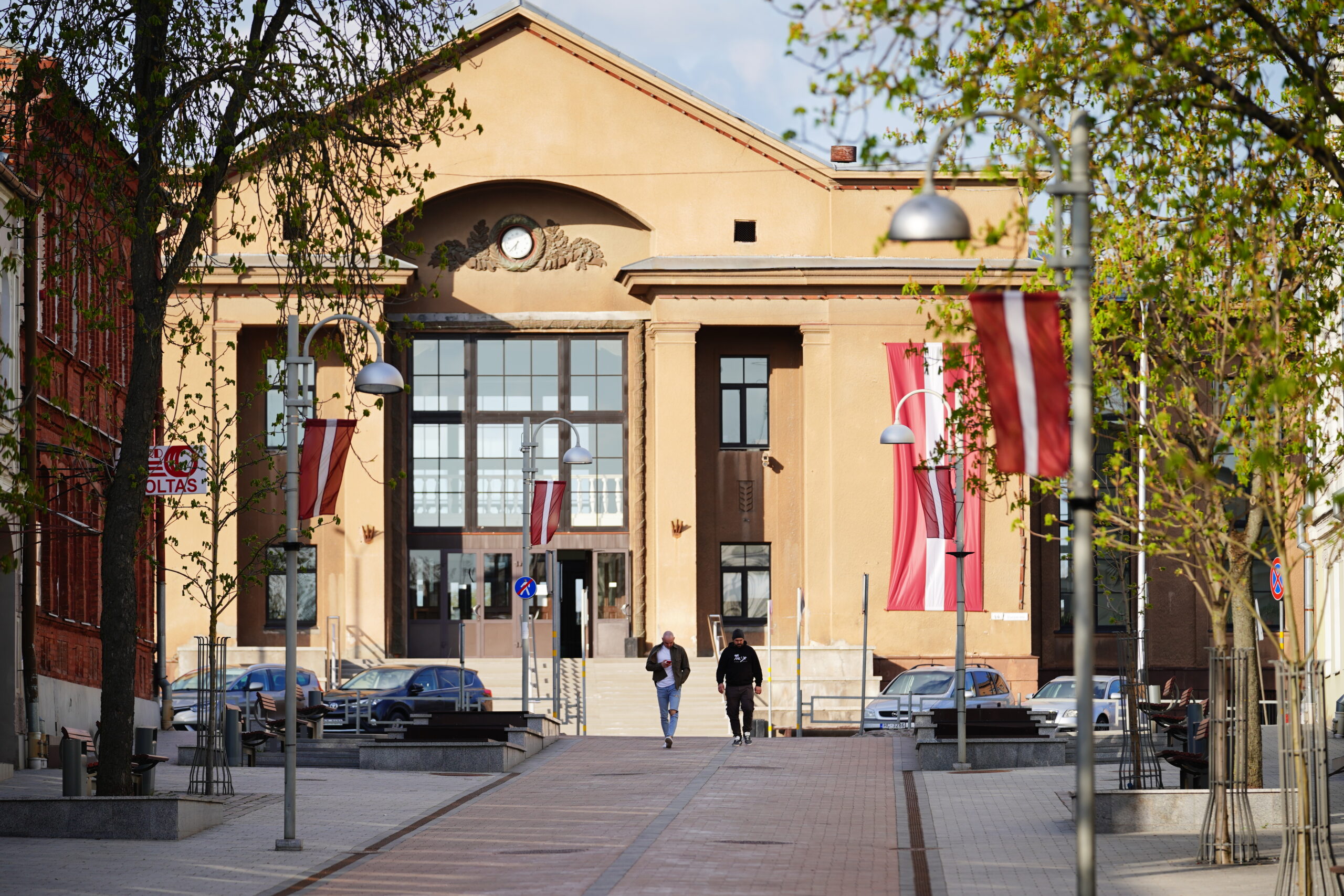
- The Unity House, built in 1936–1937, is a state‑protected architectural monument.
- The Fire Station, built in 1876, is an architectural monument of regional significance.
- The Daugavpils Museum building is an architectural object in the Jugendstil style, built in 1883 and included in the list of state‑protected architectural monuments.
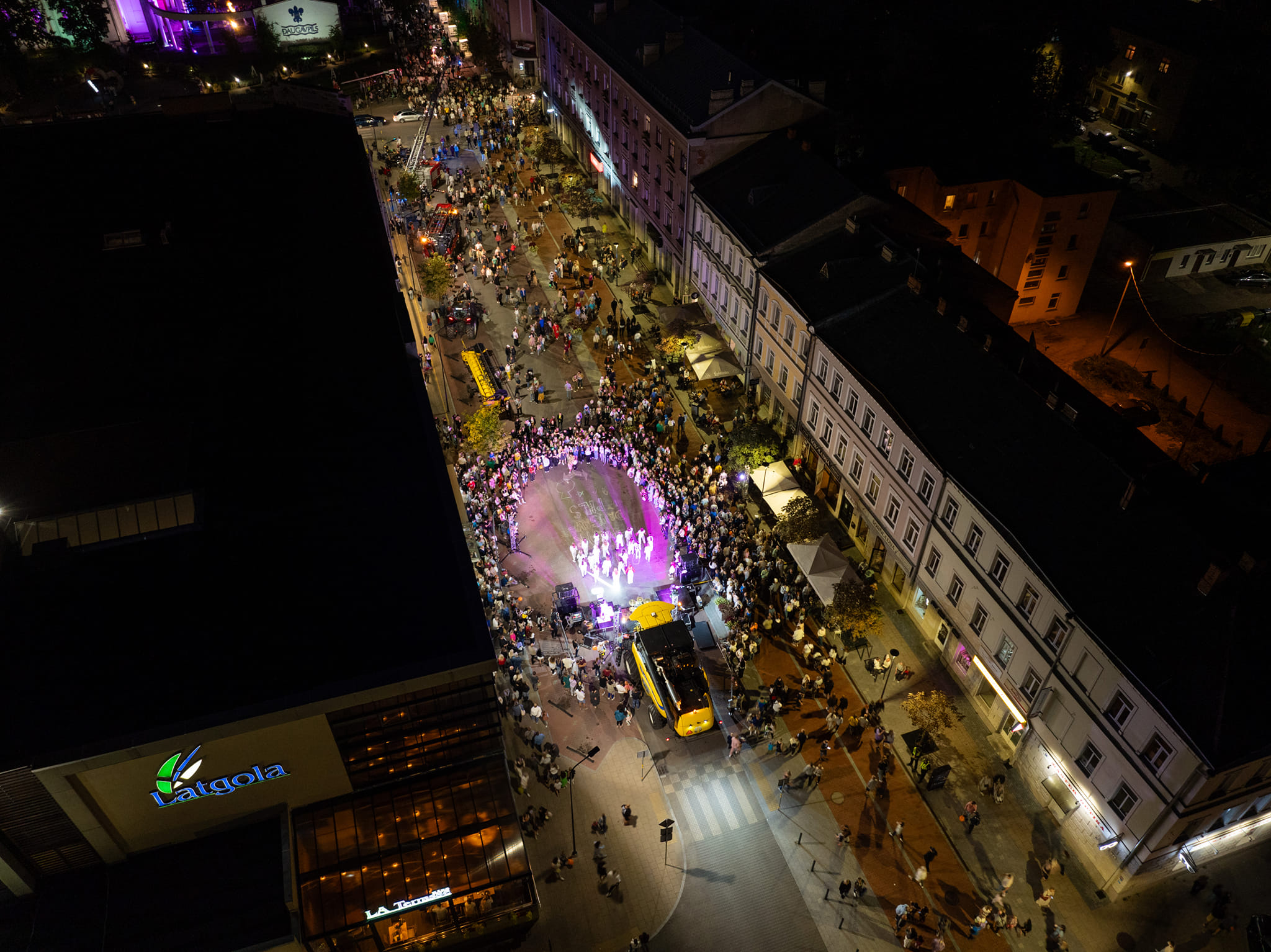
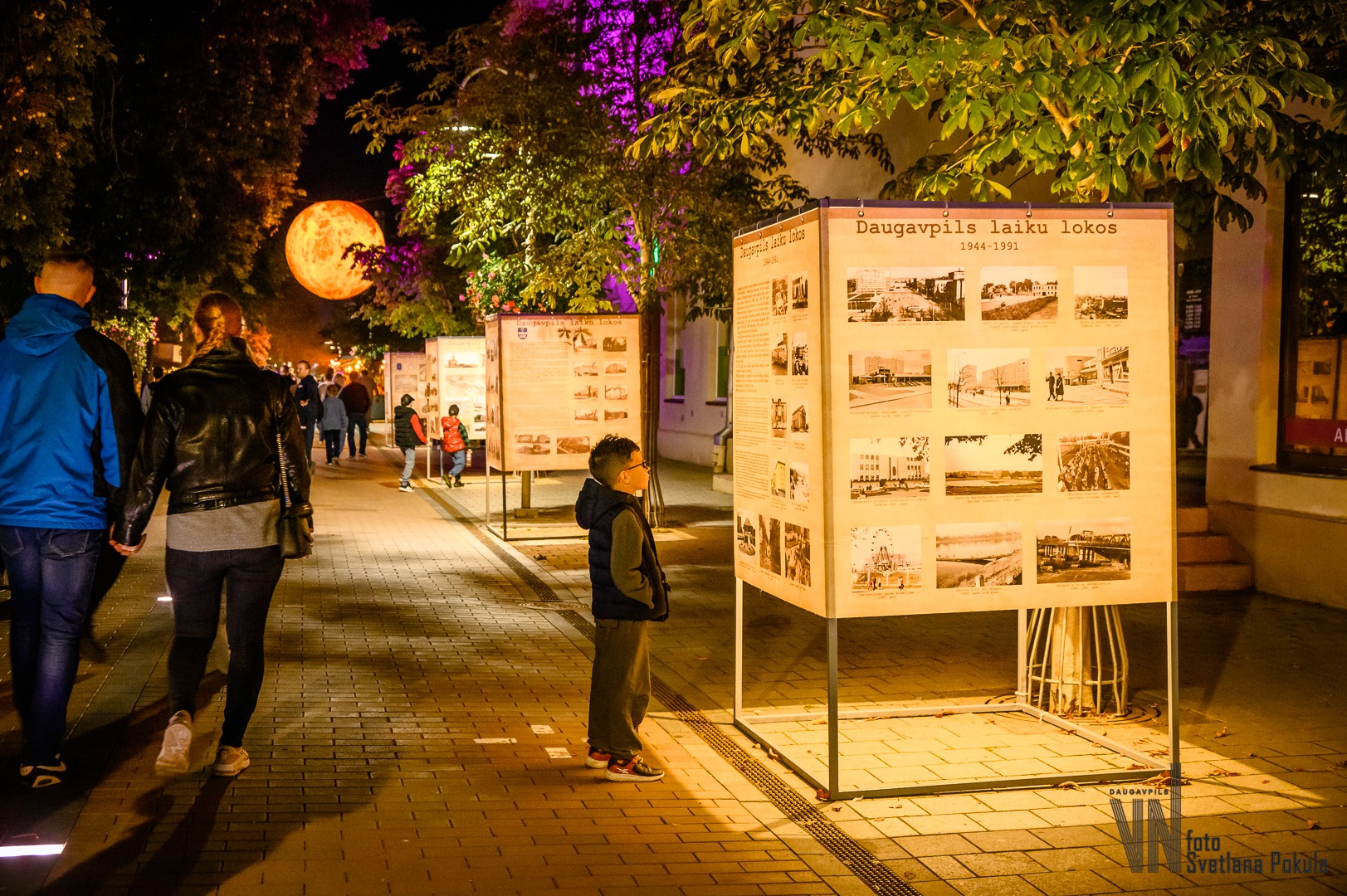
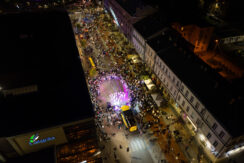
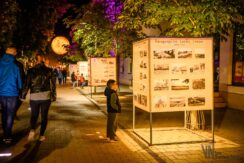
Every autumn, Daugavpils hosts the Rīgas Street Festival. This event has become an integral part of the city’s cultural life and an important tradition that residents and visitors experience through light installations, music, visual arts, dance, and artisan workshops. The Rīgas Street Festival was first held in the early 1990s, and in 2014 the tradition was revived. Since then, it has taken place annually in September.