





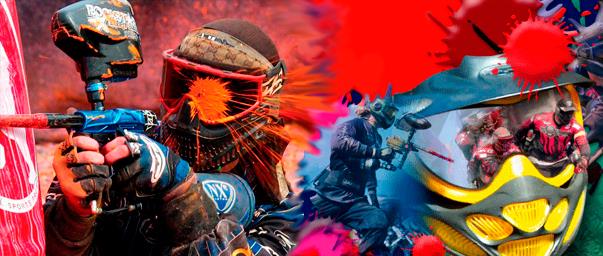
Paintball is a modern, quickly evolving adrenalin sport, which requires more than just speed, agility, strength and a good physical condition. During paintball you will need a great deal of tactical thinking while staying coolheaded. You will experience joy and euphoria from victory as well as disappointment, when you find out how easy it can be to lose.
Objekta vieta: City/District
3
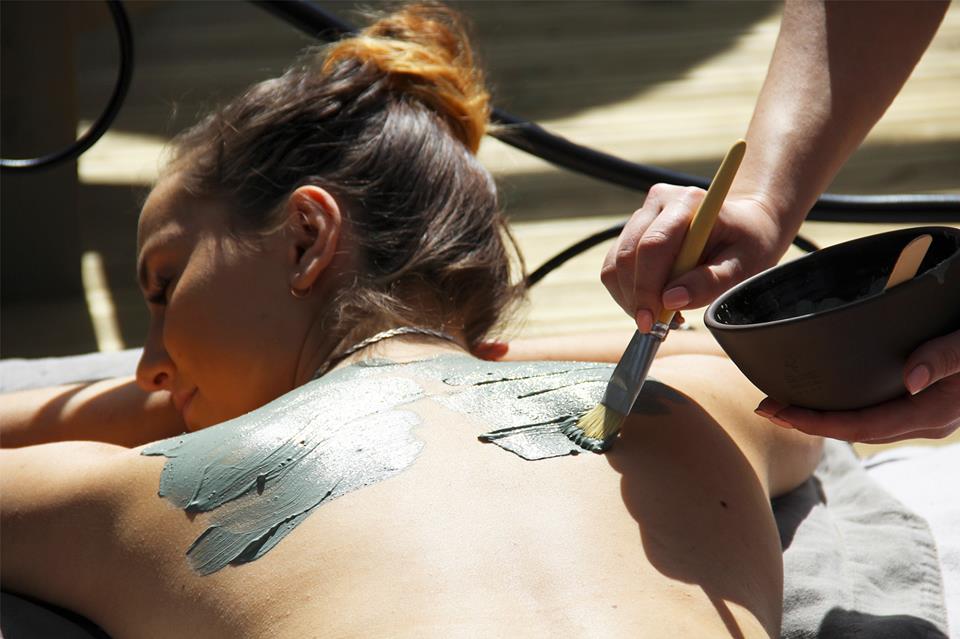
Nature SPA, Silene Resort&SPA****
The Nature SPA offers guests not only to enjoy the beauty and tranquility of nature, but also to improve their well-being while at the same time being in harmony with themselves and nature.
“ULTRA” SPORTS SOCIETY
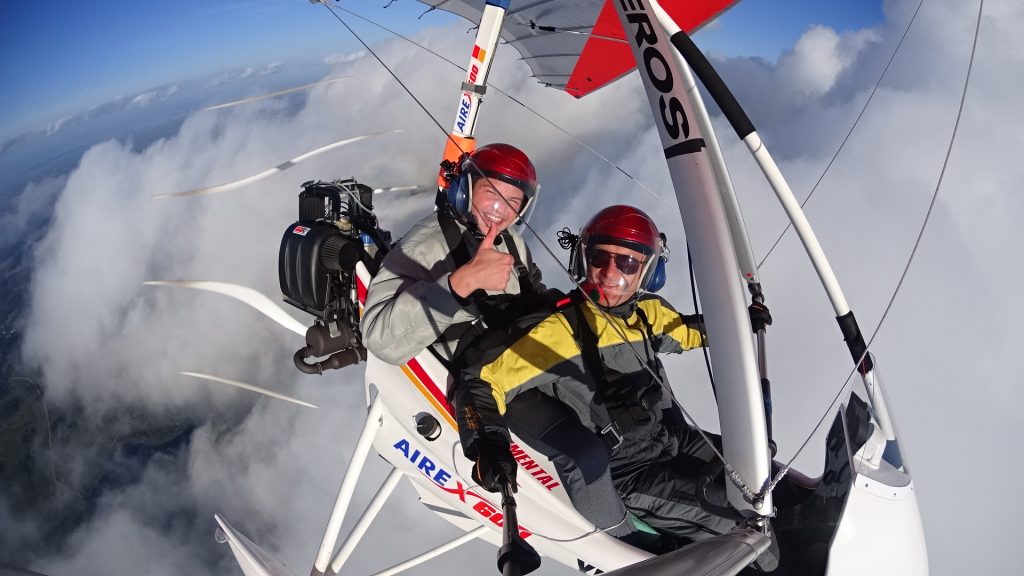
Tandem paragliding and motor hang gliding with an instructor. Teaching paragliding/hang gliding and pilot certification. Flights using a winch at Griva aerodrome. Air shows. Aerial photography.
“Beibuks” boat and SUP desk rental
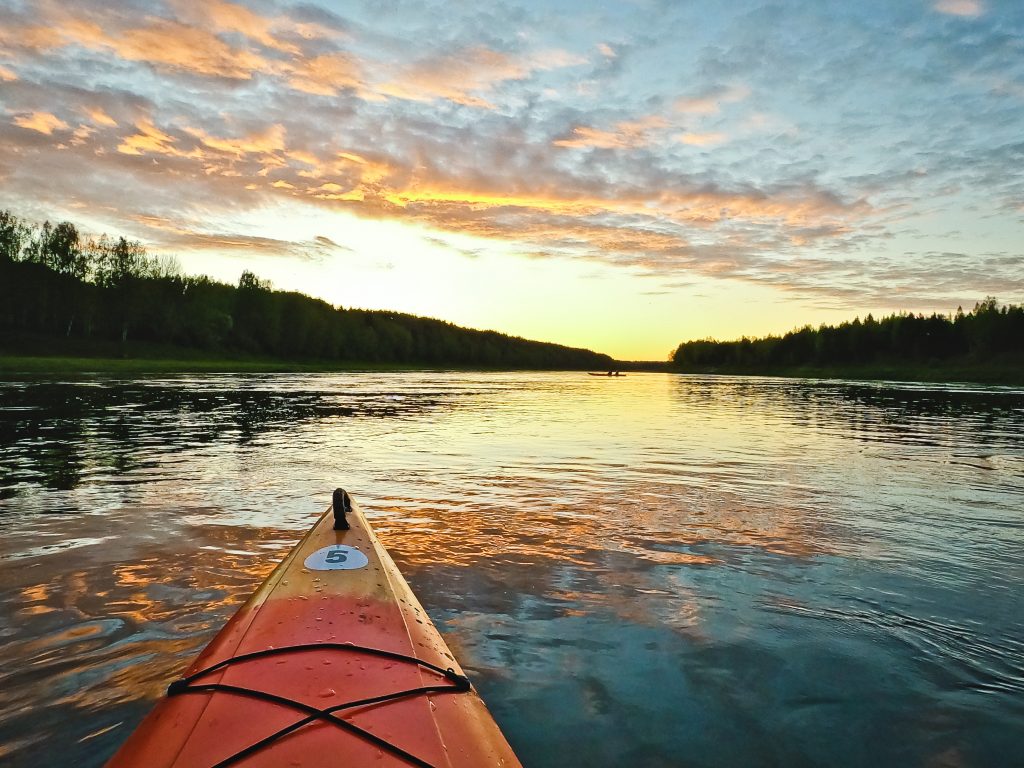
“Beibuks” boat and SUP desk rental offers wooden raft, canoes and various inventory rental for active rest. “Beibuks” organizes various events and outdoor sport games with an accommodation and catering. Transportation services to the start point, informational materials, tourist maps and guide services if needed.
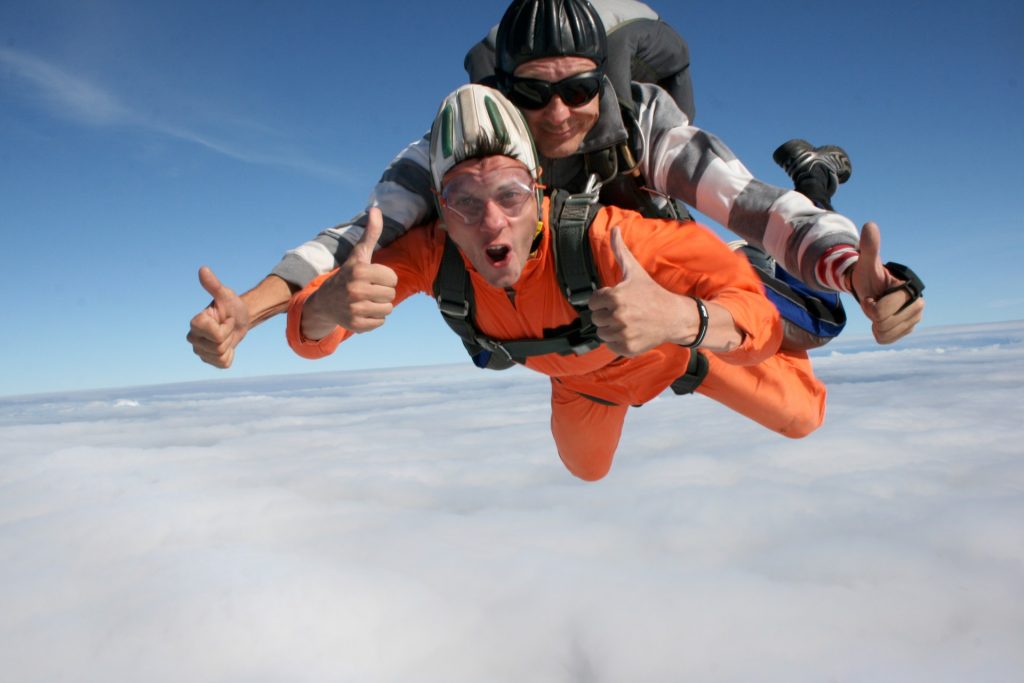
“D.I.S.K.” Sport Parachute Club
“D.I.S.K.” Sport Parachute Club – round parachute jumps or tandem skydiving, familiarization flights on AN -2 and JAK 18t planes, parachuting demonstrations.
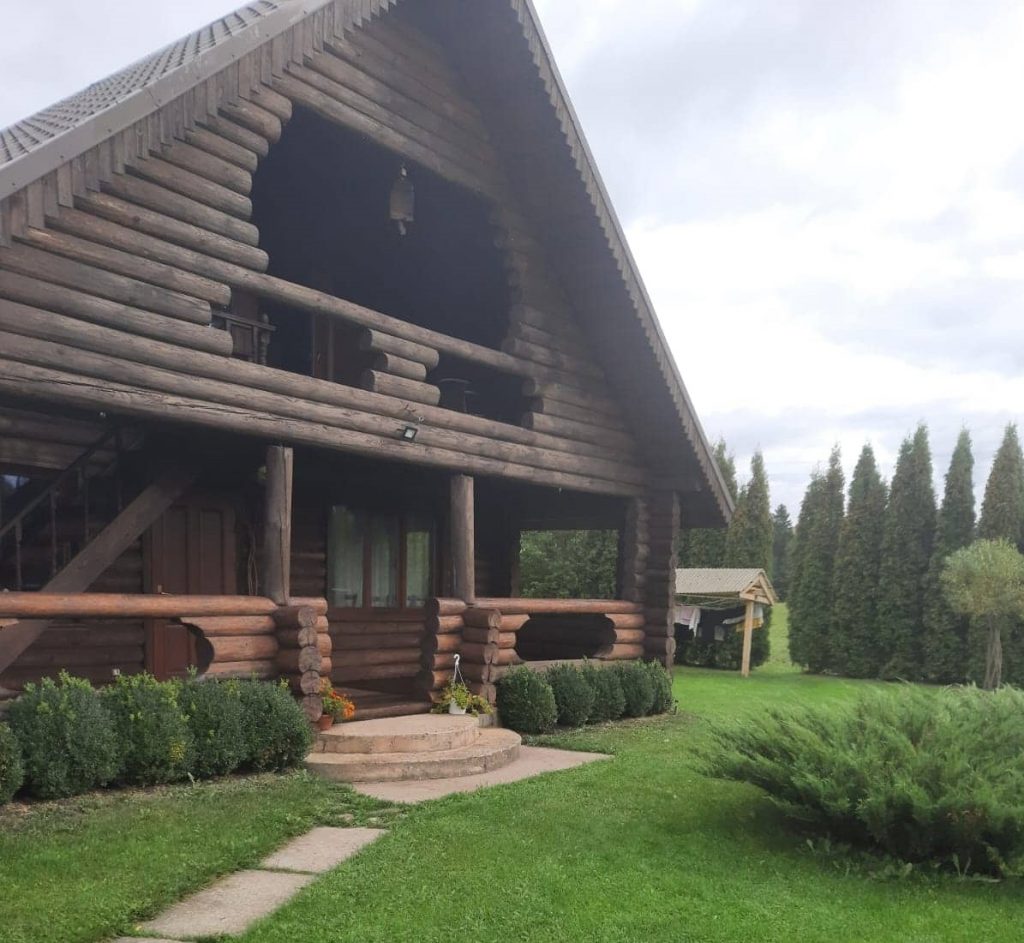
Guest House “Manturi”
New and comfortable wooden bath and the house of celebrations is a great place for rest and celebrations.
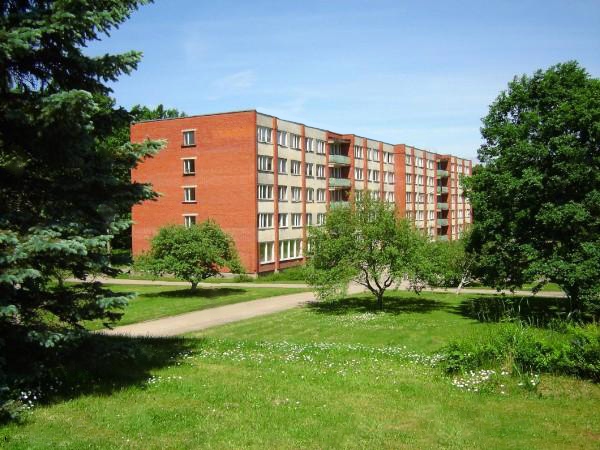
“Višķi” hostel
The hostel is located in 2 km from Daugavpils – Rēzekne highway (A13). The hostel is located close to the Luknas lake beach, boat station, Vishki stage and Vishki stadium.
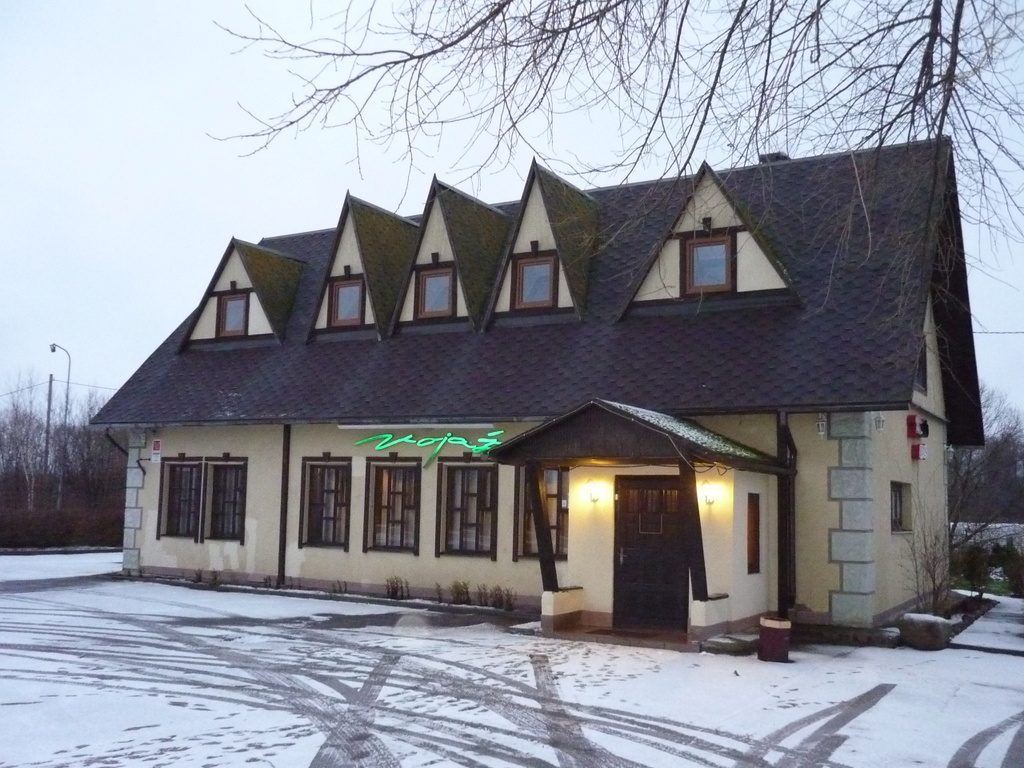
Cafe “Vojaž”
A café is located on Daugavpils – Rezekne road.
Offers:
Café, bar, complex lunches;
Banqueting services;
Free parking;
Rest place close to the cafe.
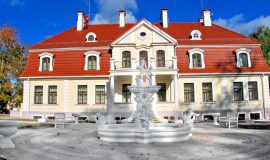
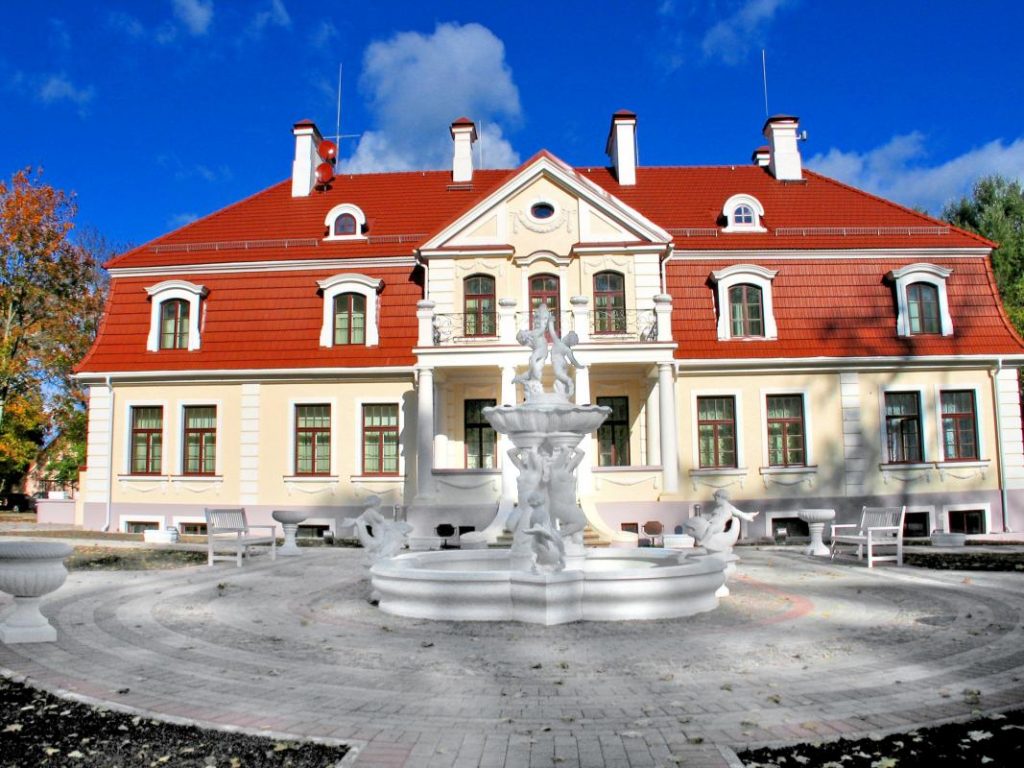
Restaurant “Sventes Muiža”
Restaurant SVENTES MUIŽA offers presentable interior, the atmosphere of refined ease, the considerate attitude of the personnel and traditionalism of the Classic European cuisine. The cosy furnishings, soft fireplace light and pleasant music are conducive to rest and deliberate talk.
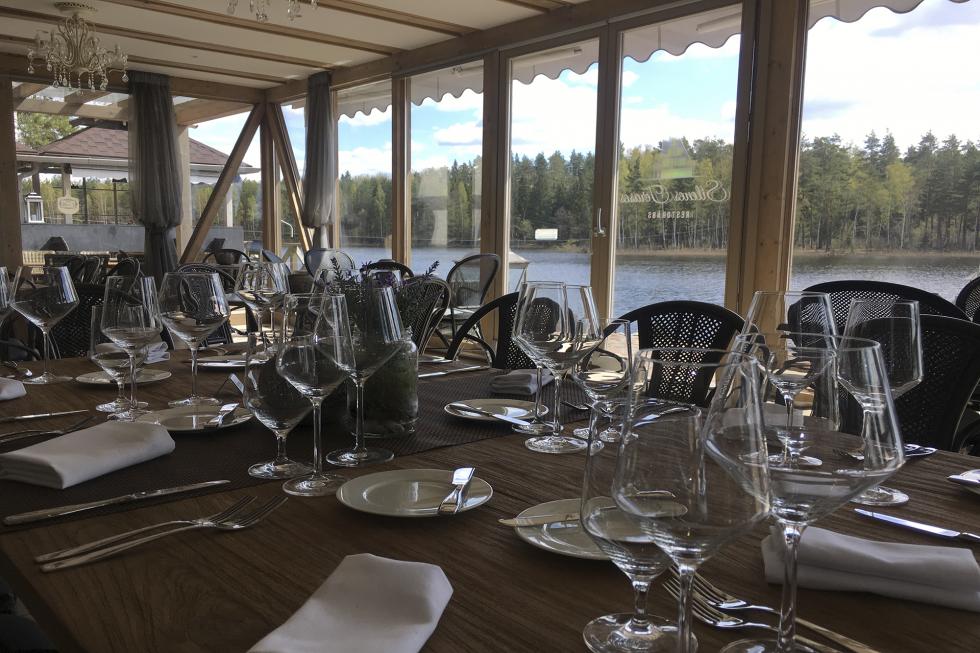
“Silenes Terases” Restaurant
The restaurant “Silenes Terases” is the right destination for gourmands. The traditional and exotic dishes served there, as well as the rich choice of drinks will add an unforgettable touch to your memories about the rest in Silene.
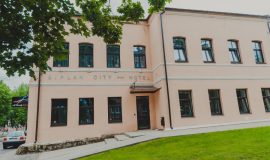
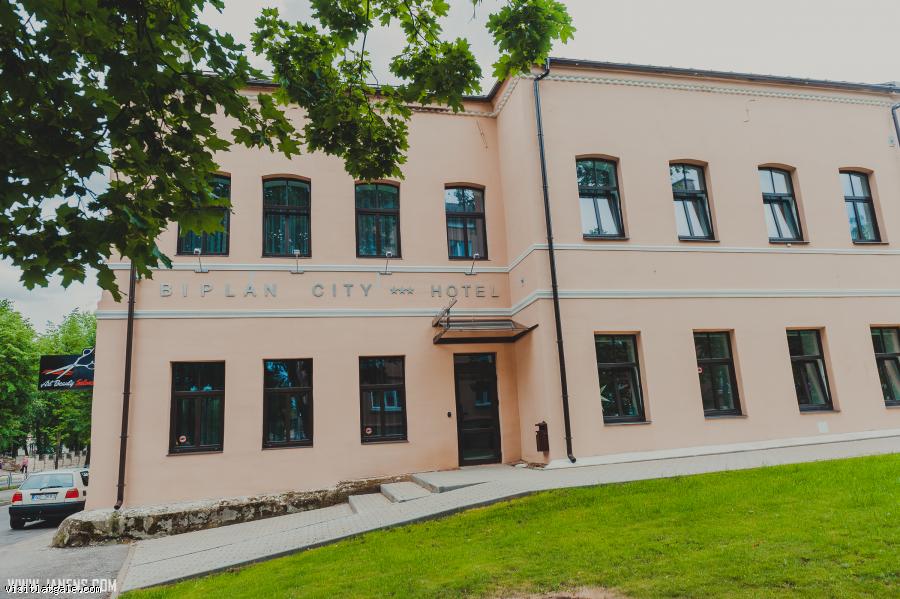
“Biplan City”*** Hotel
There are 15 rooms in the Hotel. Every room has free, high-speed Wi-Fi and a TV with a wide choice of channels, a bathroom, a working space and facilities for making tea and coffee. The rooms are equipped with a safe, air-conditioning, electronic locks, a refrigerator and a comfortable bed.
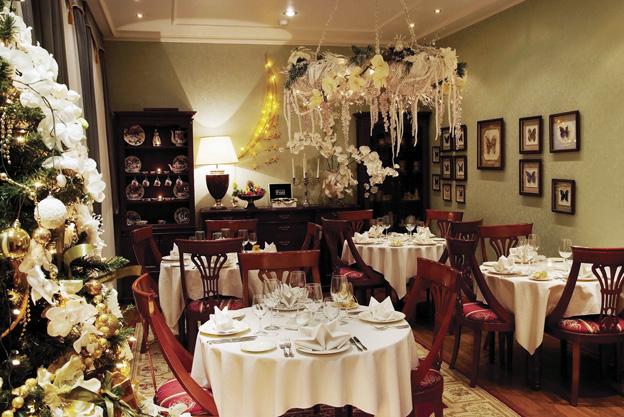
“Villa Ksenija” Restaurant
Restaurant is located on the first floor in a small cosy hall in classical style with a fireplace and a unique collection of butterflies. Our cook offer various dishes of Cuisines of different countries. There is a big choice of meat, fish, vegetable dishes, soups, and desserts.